Benefits Cliffs in the Aggregate: Consequences for Welfare and Business Cycles

Benefits Cliffs in the Aggregate: Consequences for Welfare and Business Cycles

Georgia news, in the news, current events, Georgia happenings, GA happenings

Benefits Cliffs in the Aggregate: Consequences for Welfare and Business Cycles

Benefits cliffs – sudden decreases in public benefits that may occur with a small increase in earnings – may inhibit upward mobility. I study the effect of a multitude of cliffs across the universe of benefit programs in nine southern US states on intensive-margin labor supply and the implications for aggregate fluctuations. Using the American Community Survey and proprietary data from the Georgia Center for Opportunity covering nine southern US states, I leverage geographic and household-structure variation to find that, in aggregate, individuals in households approaching benefits cliffs reduce their working hours by about 40 hours annually. I then build a dynamic stochastic general equilibrium model that matches this result, where a key assumption of inframarginal households allows me to accurately capture the benefits cliffs of the US tax and transfer system. I find the aggregate implications of benefits cliffs on output are small, but welfare gains from their elimination are large and concentrated. In a counterfactual model that smooths over benefit cliffs, output increases about 1.6% more on impact in response to an aggregate productivity shock compared to the baseline model with benefits cliffs, but the welfare gain to formally-constrained households doubles.


Read the full article

How a government shutdown hurts the poor: impacts on SNAP, WIC, and safety net reforms

How a government shutdown hurts the poor: impacts on SNAP, WIC, and safety net reforms

Best practices for reducing crime can empower California to build safer communities through policy.

How a government shutdown hurts the poor: impacts on SNAP, WIC, and safety net reforms

Key Points

  • Government shutdowns occur when Congress doesn’t pass a set of bills that give federal agencies and services the approval and funding necessary to operate. 
  • Government shutdowns and political wrangling distract from the real issues facing the poor and delay much-needed safety net reforms that would help people move out of government dependency.
  • There are bipartisan solutions Congress can act on to better serve low-income and marginalized communities.

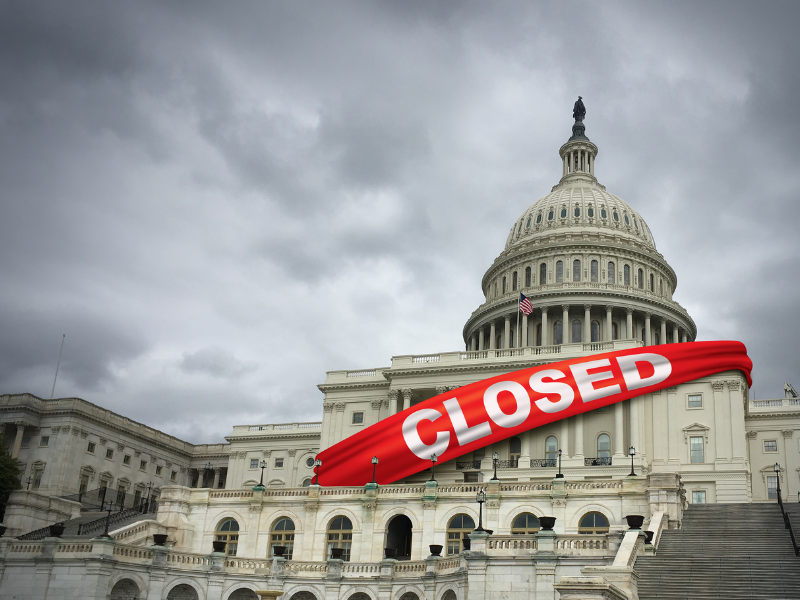
Government shutdowns occur when Congress doesn’t pass a set of bills that give federal agencies and services the necessary funding to operate. Without this approval, agencies must pause all non-essential activity until Congress takes action. Government shutdowns often go hand-in-hand with political conflicts among federal leaders. When this dynamic takes hold in D.C., government shutdowns become, at best, a distraction from the real issues facing the poor and, at worst, a roadblock to helping people achieve stability and economic opportunity.

What happens during a government shutdown?

During a government shutdown, several disruptions happen:  

  • Benefits from Social Security, Medicare, and most other need-based programs still go out, but shutdowns often lead to furloughs or reduced staffing levels in federal agencies that administer these programs. As a result, beneficiaries may experience longer processing times for applications, appeals, and inquiries. 

  • Many federal employees are temporarily out of a job. They are instructed not to show up to work and aren’t paid during the shutdown window, though they typically receive back-pay once a shutdown ends.

  • Essential government employees, such as members of the military, air traffic controllers, and Transportation Security Administration (TSA) agents, are expected to keep working, usually without pay. 

  • Americans may experience delays in government-administered processes, such as permits and passports.

Government shutdowns and safety net programs 

For many Americans who currently need assistance from programs like SNAP, WIC, Temporary Assistance for Needy Families (TANF), and Social Security, a government shutdown can be a fearful prospect. The worry of losing essential benefits and facing greater financial hardship can take a significant toll on individuals and families in low-income households and communities. 

Impact of a shutdown on SNAP benefits

SNAP, the nation’s second largest safety net program, helps eligible families buy food. Around 42 million Americans currently receive this vital support. The federal government pays for SNAP benefits, and funds are delivered to the states for distribution to the individuals and families who need them.

During a government shutdown, there are typically enough funds available to provide SNAP benefits for about a month. Few shutdowns in American history have gone on that long, so recipients usually don’t notice any change in financial assistance.

But on November 1, 2025, the current government shutdown surpassed the one-month point, and SNAP recipients didn’t receive any benefits for the coming month. To address this critical situation, the federal government will use its emergency funds to provide SNAP support. Unfortunately, this will only be a short-term solution, and it isn’t likely to cover all the SNAP assistance the government would usually distribute during the month.

It’s important to note that a pause in SNAP benefits during a government shutdown hurts not only individuals and families, but also local economies. Food stamps help support the businesses where people spend them, like grocery stores and farmers markets. Every dollar of SNAP benefits generates about $1.54 in economic activity, but this grinds to a halt when the government doesn’t fund this essential public assistance.

Impact of a shutdown on WIC benefits

WIC provides families with free healthy foods, breastfeeding support, nutrition education, and referrals to other services. Almost 7 million pregnant women, new moms, and children up to age 5 currently depend on WIC support.

The 2025 shutdown has put WIC benefits in jeopardy, and federal funding for this crucial assistance becomes more uncertain the longer the government remains closed. In the short term, federal officials are using revenues from other sources to keep the program running.

Government shutdowns can push people struggling with hardships further below the poverty line. Recent data shows that a pause in crucial welfare assistance would cause an additional 2.9 million Americans to fall into poverty in late 2025. This would also put future generations at risk of becoming trapped in long-term cycles of poverty.

During a government shutdown, community support for our neighbors is critical. Churches, food banks, charities, and other nonprofit organizations can increase their efforts to provide food to people in need to help them through the difficult time, and community members can provide urgently needed donations.

There is a solution Congress can act on to create a better pathway out of poverty

A government shutdown may not cut off food stamps, WIC, Social Security, or other safety net benefits immediately. However, low-income and vulnerable communities still suffer. 

In the short term, lawmakers need to better serve people living on the margins by being willing to compromise and end the government shutdown. This will make it less likely that the struggles of low-income Americans get lost in political conflicts. 

In the longer term, the shutdown is a reminder that we need a better safety net systemone that encourages economic opportunity and stability instead of leaving millions of Americans exposed to the ups and downs of federal government turmoil. By ending the shutdown, Congress could take up the more important priority of One Door reform. 

In the current welfare system, recipients are forced to navigate multiple, disconnected programs, eligibility requirements, and caseworkers—a maze that becomes a trap for welfare dependence instead of a secure path out of poverty. 

The One Door Model makes it possible for the safety net to be a bridge rather than a barrier to opportunity. It does away with the disconnected programs and integrates human services with work support so beneficiaries who are capable of working have a clear, supportive, and accessible path to personal well-being and meaningful jobs.

The One Door Model provides welfare recipients with a greater sense of direction, dignity, and purpose, empowering people to become self-sufficient and enabling them to truly flourish.

FAQs about the government shutdown

Will SNAP benefits be paid in November 2025?

  • The federal government plans to use its emergency funds to provide SNAP benefits in November 2025. Unfortunately, these funds aren’t likely to cover all the SNAP assistance the government would usually distribute during the month. The payments will also be delayed because states will have to adjust their automated systems to distribute reduced amounts.

Will WIC benefits be paid in November 2025?

  • The federal government has currently made funds available to pay WIC benefits for the first few weeks of November 2025.

Are Head Start programs affected by the shutdown?

  • Head Start programs provide early learning, health, and well-being services to families with young children. The programs receive funding from the federal government, and many are closing due to the shutdown. Some are staying open by providing limited services, reducing staff, or shortening operating hours.

Where can Georgia families go for food assistance?

  • Foodfinder.us is a free, nonprofit website and mobile app that helps people find nearby food pantries and free food programs. Users can easily search for local support by entering their zip code.
  • Feeding Georgia is a statewide network of food banks that collaborates to end hunger in Georgia. Its website offers helpful links to local food resources.

Where can Georgians get help to find work quickly?

  • The Georgia Center for Opportunity’s BETTER WORK program partners with employers and local resources throughout Gwinnett County and the city of Columbus to connect people with training and support services and to help them find meaningful work.

How are government shutdowns related to welfare benefits cliffs?

  • benefits cliff occurs when an individual, family, or household loses more in benefits from government assistance programs than it gains from additional earned income. When a person experiences a benefits cliff, they are thrust into serious difficulties: losing housing, going hungry, fearing that their children will be taken by Child Protective Services, and more. A government shutdown can have similar effects to benefits cliffs because it can cause big delays or cuts to essential safety net program payments. This creates significant financial hardship for people who are struggling and can push them deeper into poverty.

What are the political games in D.C. costing communities?

Americans deserve better than having their day-to-day well-being threatened by political dynamics in D.C. Shutdowns result when federal leaders devote energy to political distractions instead of bipartisan opportunities to fix our broken safety net system. This costs millions of people the chance for a more fulfilled, self-sufficient life. 

We need a safety net system that gives people hope and independence from D.C. To make that possible, the current government shutdown needs to end so legislators can get back to the work of serving people—truly putting citizens’ needs first and creating policies that allow Americans to escape poverty and flourish.

Benefits Cliffs in the Aggregate: Consequences for Welfare and Business Cycles

Opinion: New Missouri law will help residents escape safety-net cliffs

Georgia news, in the news, current events, Georgia happenings, GA happenings

Opinion: New Missouri law will help residents escape safety-net cliffs

Missouri lawmakers took an important step forward for working-class and impoverished residents this year by enacting Senate Bill 82. This new law will help more Missourians escape from an entrapping safety-net system and experience the dignity and opportunity of work.

On paper, our safety-net programs in Missouri are intended to help people avoid abject poverty and meet their basic needs. These programs should be temporary whenever possible and encourage work and independence, because ultimately what we want for people is stability and mobility. The sad reality, however, is that many of the programs include a hidden time bomb that threatens the very individuals they are intended to help.

For those receiving safety-net benefits — especially SNAP, child care assistance, and Medicaid — there can be a sudden, steep loss of government assistance as a worker’s income increases. This often results in a loss in benefits that far exceeds the additional pay from a raise a worker receives. These unintended consequences of the benefits cliff can be devastating, trapping individuals and families in a perpetual cycle of poverty. It is high time we address this issue and strive for a more sustainable and supportive system.

How programs to help the poor can harm upward mobility – Sutherland Institute

How programs to help the poor can harm upward mobility – Sutherland Institute

Georgia news, in the news, current events, Georgia happenings, GA happenings

How programs to help the poor can harm upward mobility – Sutherland Institute

Imagine you’re offered a raise that, if accepted, would actually make your family worse off.

This is the experience of some families in poverty when they hit something called the benefits cliff. This “cliff effect” is triggered when a family’s increase in earned income prompts a disproportionately larger decrease in the benefits they receive through federally funded public assistance programs.

This week’s guest is Kelsey Underwood, vice president of strategy and product for the Georgia Center for Opportunity. She joins the show to discuss how the benefits cliff can disincentivize work, negatively impacting families struggling to escape poverty. She also touches on GCO’s efforts in various states to clear obstacles to upward mobility for impoverished Americans. The discussion centers around the dignity of work that fosters upward mobility and identifies resources available to policymakers and business leaders to help address the issue.

How programs to help the poor can harm upward mobility – Sutherland Institute

State’s occupational license requirement for lactation consultants violates the state constitution

Media statement, in the news, Georgia news, ga news

State’s occupational license requirement for lactation consultants violates the state constitution

The Georgia Supreme Court ruled late last week that the state’s occupational license requirement for lactation consultants violates the state constitution. As the Institute for Justice reports, “The licensure law would have required even experienced lactation care providers to become International Board Certified Lactation Consultants (IBCLC), involving two years of college courses, 300+ hours of clinical work, and an expensive exam. This would have made state licensure unattainable for many.”

The Georgia Center for Opportunity’s (GCO) take: “Bottom line, the Georgia Supreme Court made the right call here,” said Eric Cochling, chief program officer and general counsel for GCO. “Occupational licensing is needed in some industries and job categories due to public health and safety concerns, but the laws on the books today in many cases are an unnecessary roadblock to employment for workers. When you add the cost of becoming certified as a lactation consultant to the fact that there is virtually no discernable benefit to public safety or health from imposing the new restrictions, the Supreme Court’s decision is clearly the right one in this case. As our state and nation continue to face a shortage of skilled and qualified workers in a variety of occupations, it’s important that government not throw up unnecessary roadblocks. Unfortunately, occupational licenses are frequently one of them.”

Are Work Requirements Good or Bad?

Are Work Requirements Good or Bad?

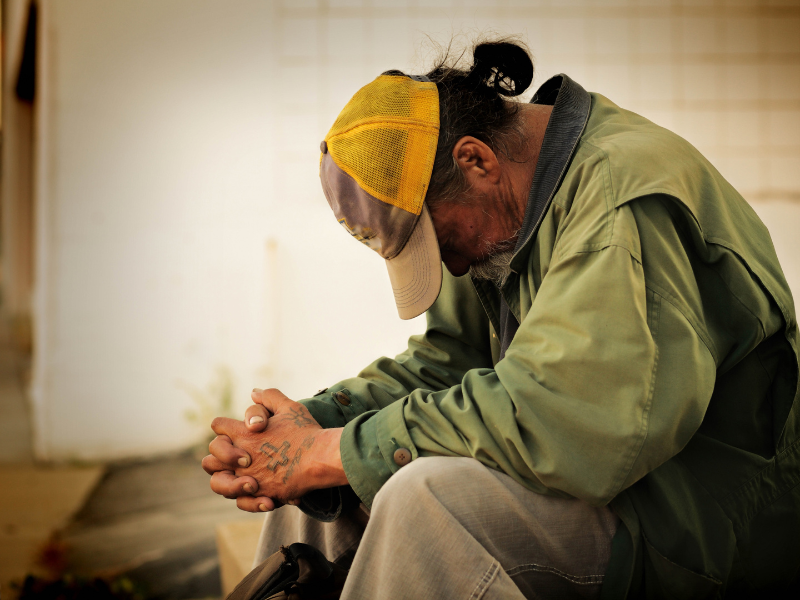
Man sitting with his hands folded

Are Work Requirements Good or Bad?

Key Points

  • The arguments around work requirements ignore the purpose of how our safety net services should work.
  • The public, in general, agree with the argument for work requirements because they see the system as a temporary solution.
  • We must reform the system so that we move people into opportunity and thriving.

As the federal government debates the debt ceiling and attempts to bring spending under control, one recurring topic is work requirements for adults on government benefits and safety net services. The argument is that implementing work requirements will encourage more people to leave welfare programs, which in turn would decrease spending on one of the biggest expenses in the federal budget.

However, the debate about work requirements should not, in my opinion, be connected to fiscal accountability. Instead, it should be linked to the central purpose of these services and the people needing them.


A look at work requirements

To understand these challenges we need to look at the differing opinions on work requirements. On one side you hear the argument that not requiring work for benefits like SNAP and Medicaid is a disincentive to work for those on benefits. In other words, people are staying on benefits longer than necessary because there is no benefit to getting off, and in many cases, it is more costly to get off.

On the other side, the argument requiring work is simply a way to save money which ultimately hurts the poor. The argument is people in need of food support and healthcare will not be able to work and thus will be forced off of services without work.

Both of these arguments ignore the full experience of those on safety net services. Therefore, I want to challenge us to set aside political talking points and have a real discussion on the issue. These arguments are fraught with finger-pointing and people assigning motivations to each other. The discussion around work requirements is important because it challenges us to ask, “What is the purpose of our welfare system?”


With The Alliance for Opportunity, we are crafting policies that will create a clear path to get off safety net services and into opportunity in Georgia.

With The Alliance for Opportunity, we are crafting policies that will create a clear path to get off safety net services and into opportunity in Georgia.

Work requirements aren’t a bad idea

At the Georgia Center for Opportunity, we generally agree with the idea of work requirements, but not for the reasons political pundits throw around. We are not trying to “weed out bad actors” or trying to reduce government expenditures. Those outcomes may come to pass but they cannot and should not be the intent of such measures. 

While there is a politicized debate currently raging, the idea of requiring work to continue to receive benefits is not new. FDR’s New Deal, the framework for our current safety net system, pushed for a system that helped those unable to work like children or disabled individuals. The expansion of such a system to cover the unemployed came later in the process and was designed to be a stopgap between employment.

As the system expanded even further, it became apparent the support should include systems to get people back into work—this led to job training and education programs.

That is where we are today and ultimately how we should be looking at the safety net system for those able to work. The system must be designed to ask, “How can we help you get back on your feet and be self-sustainable?” Not because you are only valuable if you work, but because you are a valuable member of society. This view of membership is probably why work requirements are very popular among the US population. We value and understand the importance of work.

The research on the value of work is expansive. It leads to positive outcomes for families, improved personal mental health, and deeper community value. It is what we should want for people. It is what we should build our services to provide people, not a paycheck but an opportunity.


The arguments against work requirements 

The issue becomes more complex when you recognize the valid arguments against work requirements. One of these is that work requirements don’t increase work rates—they simply cut people off of needed services

The argument is that these requirements add another stress level to people just trying to survive. This creates yet another hurdle for those already struggling to navigate a complex process. The result is people find a different means to survive or they simply give up. Obviously, no one wants to add to people’s burdens.

Rather than arguing against work requirements, these challenges highlight the flaws in our current system. The system is poorly designed and does not lead to the outcomes we want for people.

Work requirements are a good policy in a bad system

Policymakers are notoriously inept when it comes to policy reforms. Half-measures have resulted in a system that is not focused on outcomes. If the system were structured to reduce complexity and alleviate stress for those seeking job support, then a work requirement could be the positive encouragement it should be.

This is one reason we are working with other state think tanks on a One Door Model that would transform our safety net services and create a clear, supportive, and accessible path to work.

These types of policies are critical to ensure that we are helping those in need. They are also critical to ensure that we deliver dignity and hope as an outcome. 

About The Author

Corey Burres

VP of Communication and Marketing

Corey Burres is the director the award-winning education documentary Flunked. He served as a consultant with many state think tanks around the country to help them utilize marketing and story telling to improve public policy. He is active in the foster care community and working to help build a better community around him.