Raising Highly Capable Kids Program Increases Positive Values and Social Skills in Children

Raising Highly Capable Kids Program Increases Positive Values and Social Skills in Children
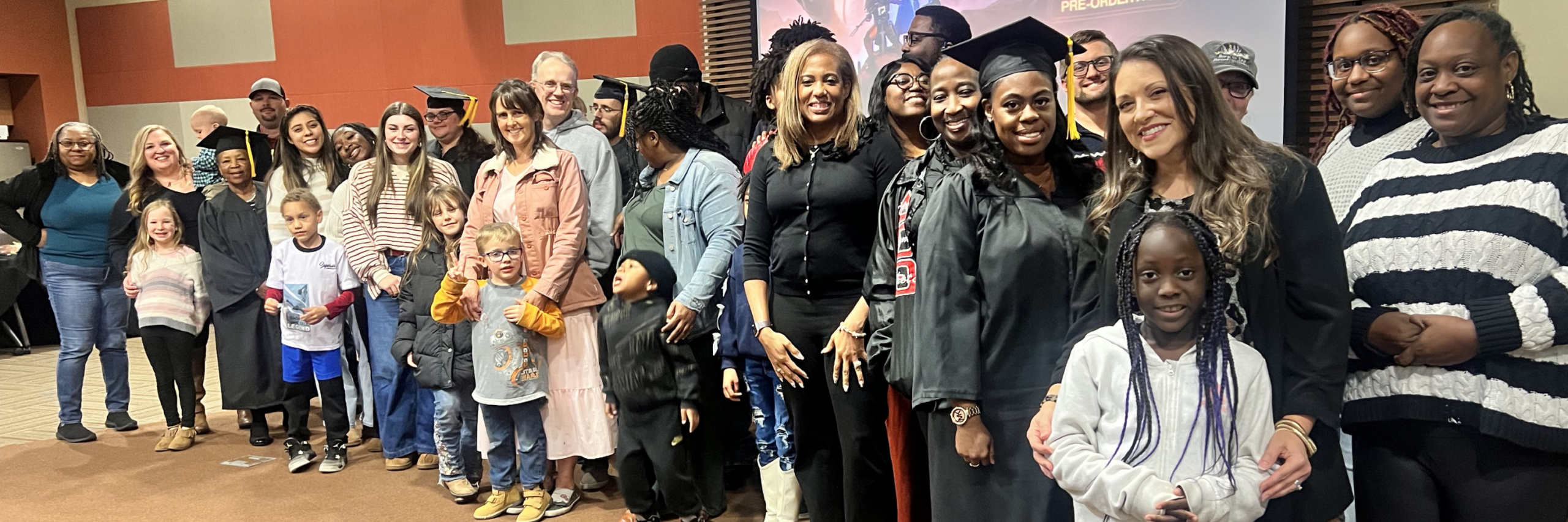
RHCK parent surveys confirm growth in positive values and social skills among kids.

Raising Highly Capable Kids Program Increases Positive Values and Social Skills in Children

Key Points

  • Data from the 2025 annual report for the Georgia Center for Opportunity’s Raising Highly Capable Kids program shows how much the workshops are changing Georgia families for the better.
  • Almost every participant said they’d learned new parenting skills, and all participants shared that they’d found ways to promote the qualities and skills that are essential for their children’s growth and flourishing.  
  • In particular, parents learned that helping their children develop positive values and social competencies empowers them to build confidence, form supportive communities, and open their hearts to others.

The 2025 annual report for the Georgia Center for Opportunity’s (GCO) Raising Highly Capable Kids (RHCK) program confirms the big impact the workshops are having on children, families, and communities across Georgia. GCO collaborated with the Department of Human Development and Family Science at the University of Georgia to prepare the report. It offers strong data for measuring and understanding the outcomes for both parents and children.

RHCK is a workshop offered by GCO in partnership with local organizations. It’s designed to give families the tools, confidence, and support to raise healthy, responsible, caring kids.

During GCO’s RHCK sessions, participants learn about the 40 Developmental Assets, which were identified by the Search Institute. The assets are the essential qualities and experiences that enable kids to become well-rounded, resilient adults. 

GCO and its partners offered 15 RHCK workshops at 12 locations in 2025. Participants took pre- and post-workshop surveys that illustrated the ways families had grown stronger throughout the program. Almost everyone who took the post-workshop survey (99%) said they’d learned new parenting skills, and all the participants shared that they’d found ways to encourage the development of the assets in their children. 

When parents answered open-ended questions about their experiences with RHCK, they drove home some of the lessons they’d learned:

“Better appreciation for how parenting affects overall outcome, not just of individual children but the family and community as a whole.” 

“Everything in life revolves around morality, and this is so important in feeling that you matter and have purpose.” 

“Fostering empathy and friendship skills are super important for a child to thrive in the world today.” 

These quotes reflect workshop discussions related to two Developmental Asset categories in particular: Positive Values and Social Competencies. Parents saw some of the biggest transformations in their kids in these areas. 

The assets in the Positive Values and Social Competencies categories empower children to build the confidence to engage with others in meaningful ways. By increasing their parenting skills in these categories, RHCK participants opened doors to opportunities for their kids to cultivate a robust, supportive community and a rewarding life for themselves as they grow up.
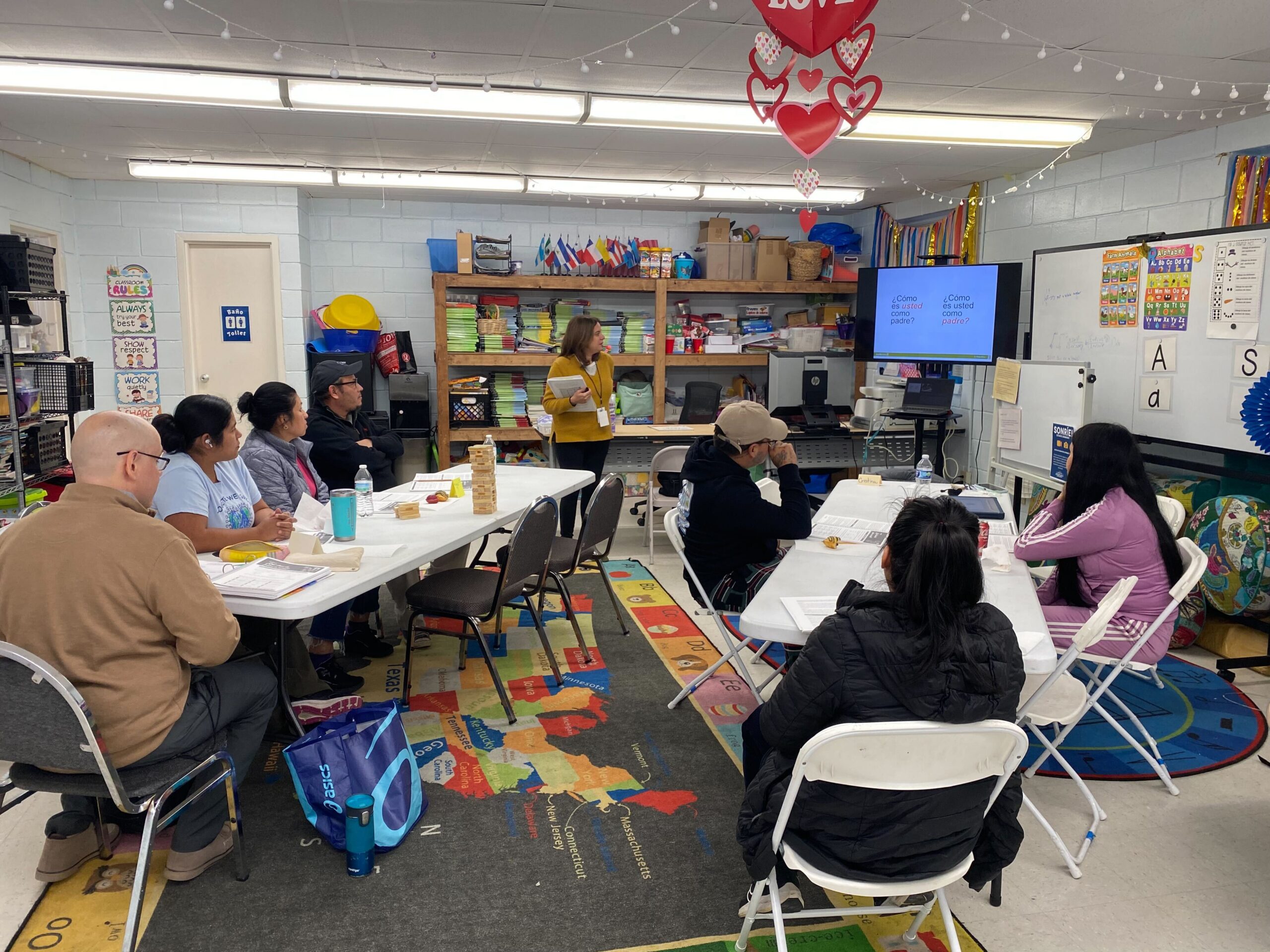
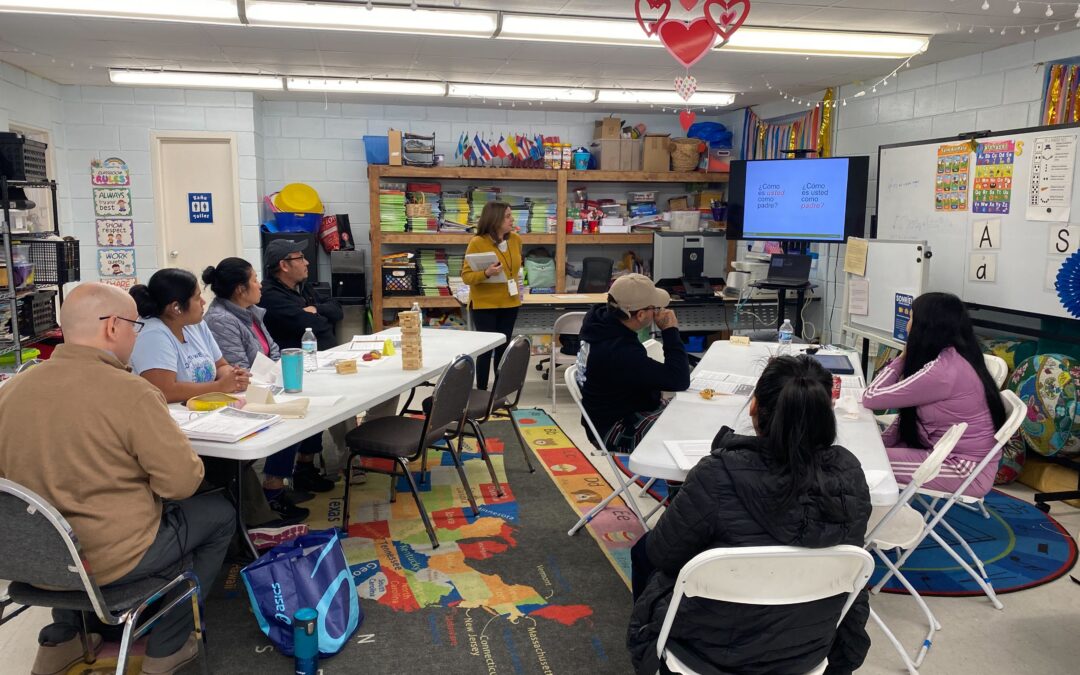
Parents gather for the second session of GCO's Raising Highly Capable Kids workshop.

Parents in our Spring 2026 Raising Highly Capable Kids cohort gather for a session to learn how their personalities and their pasts shape their parenting journeys. 

Instilling Positive Values in Children

During GCO’s RHCK workshops, participants learned the importance of making sure their kids possess the positive values that are vital for building strong character, fostering empathy and kindness, and becoming responsible citizens. Key examples of the assets in the Positive Values category include:

  • Caring: Parents support their child in developing a heart for helping others.
  • Equality and Social Justice: Parents teach children the importance of treating others equally and finding ways to lend a hand to those in need.
  • Integrity: Parents guide children to stand up for their beliefs.
  • Honesty: Parents encourage kids to always tell the truth.
  • Responsibility: Parents teach children to accept responsibility for their behavior.

In the post-workshop survey responses, 96% of participants said they’d increased their knowledge and parenting skills in the Positive Values asset category to a medium or large extent. By helping their children grow in these areas, parents are equipping them to follow foundational guiding principles.

Ensuring Kids Are Socially Competent

RHCK participants also learned about the powerful role social competence can play in forming relationships. The assets in the Social Competencies category reflect children’s ability to handle social interactions effectively, even potentially negative ones. These assets include:

  • Planning and Decision-Making: Parents help children plan ahead and make good choices.
  • Interpersonal Competence: Parents make sure their kids care about other people’s feelings, enjoy making friends, and learn skills to manage anger.
  • Cultural Competence: Parents teach children how to form relationships with people of different racial, ethnic, and cultural backgrounds and how to be comfortable with their own identity.
  • Resistance Skills: Parents encourage children to resist negative peer pressure. 
  • Peaceful Conflict Resolution: Parents teach their kids positive ways to resolve conflicts.

In the post-workshop survey responses, 95% of participants said they’d increased their knowledge and parenting skills in the Social Competencies asset category to a medium or large extent. When parents help their children develop these assets, kids can better evaluate situations, understand people’s emotions, and behave appropriately around others.
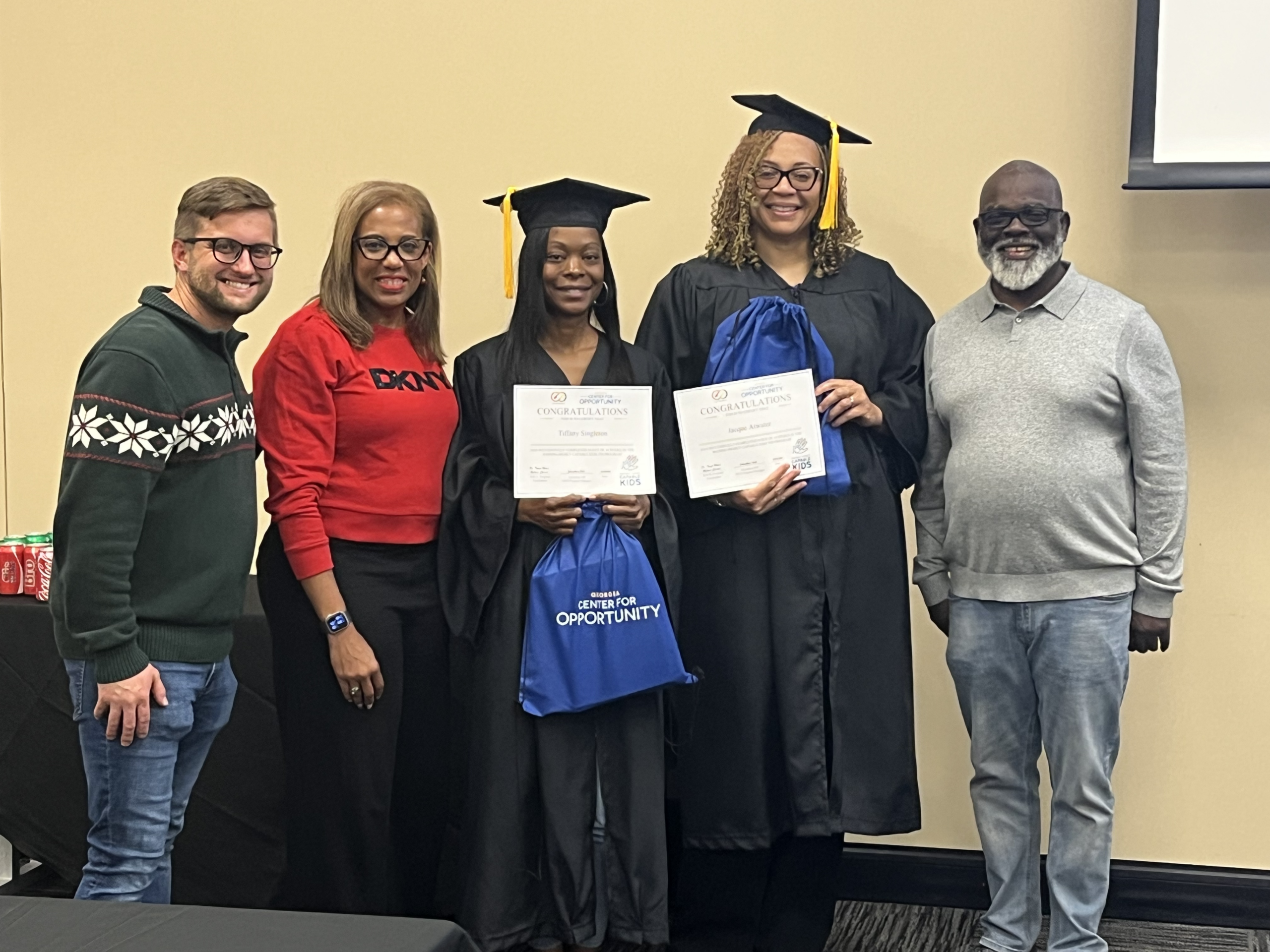
RHCK graduation event celebrates parents in Houston County who completed the program.

“We have a common denominator of wanting the best for our children and making sure that we are intentional about providing them every opportunity, surrounding them with great people who love and support them, who will push them, making sure not only that they excel academically, but socially in the community, and just being aware that they have what they need inside already to be successful.”

— Jackie, Houston County parent and RHCK participant 

Empowering Young People to Build Community

Positive values and social competencies are closely linked. In fact, good values help set the stage for children to become socially competent. And these assets are invaluable for children’s futures. 

Having a high level of social competence enables young people to succeed academically, actively engage with others, and enjoy a strong sense of self-esteem and well-being. These outcomes then increase the likelihood that children will graduate from high school, find meaningful work as adults, experience lifelong resilience, and thrive.

Above all, positive values and social competencies make it possible for kids to form supportive relationships and build vibrant communities. They’ll be well prepared to pay attention to people’s needs and to lend a helping hand to others. And through these connections, they’ll flourish—even as they pave the way for others to grow and blossom, too.

Learn More

If you’re interested in getting the tools and support to raise healthy, responsible, caring children, please visit GCO’s Raising Highly Capable Kids webpage.
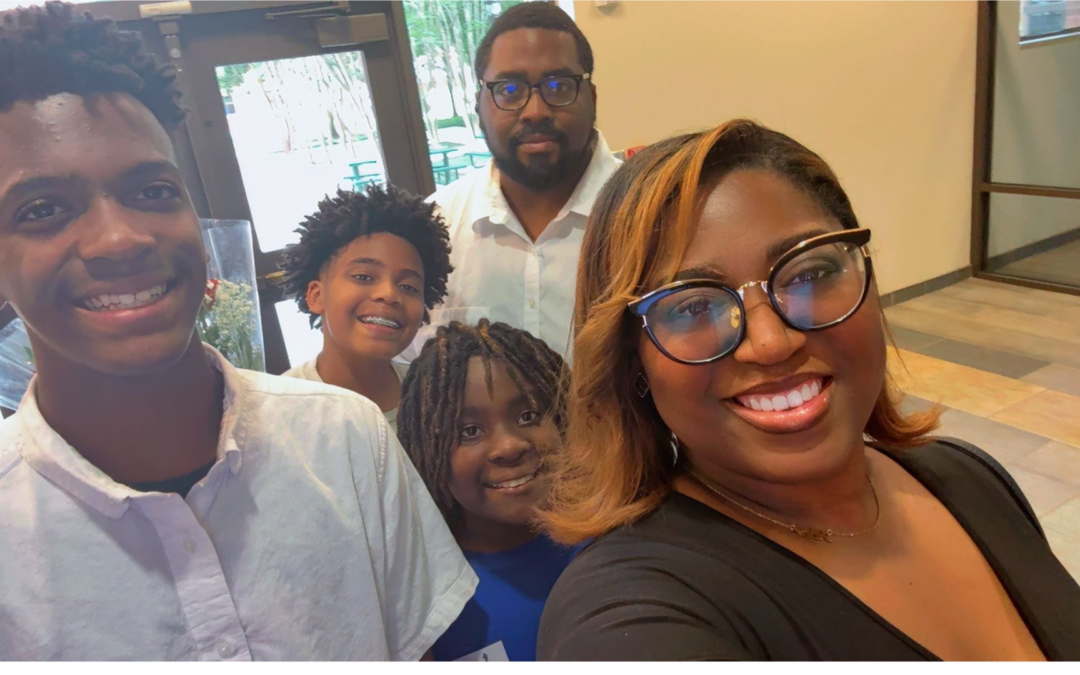
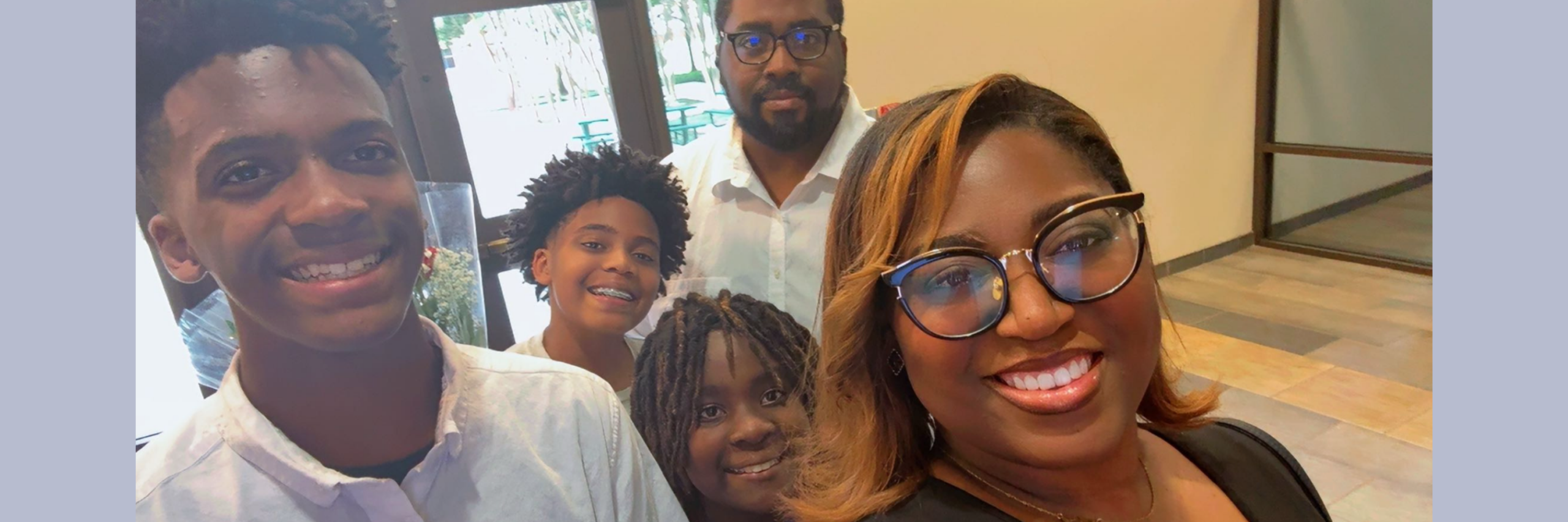
Strengthening Her Family, Building Her Community: Shaneika Murphy’s Passion for Helping Others Flourish

Strengthening Her Family, Building Her Community: Shaneika Murphy’s Passion for Helping Others Flourish

Shaneika Murphy, Raising Highly Capable Kids participant and facilitator

Strengthening Her Family, Building Her Community: Shaneika Murphy’s Passion for Helping Others Flourish

Key Points

  • Shaneika Murphy turned to the Raising Highly Capable Kids program as her sons were becoming teenagers. She wanted to make sure she supported them through all the changes middle school and high school would bring.
  • During the program, Shaneika also learned how crucial it is for parents and families to have a supportive community surrounding them.
  • After completing the Raising Highly Capable Kids workshop as a parent, Shaneika became a program facilitator, and she now supports other parents. Her sons volunteer with the program, too. Together, the Murphys are a shining example of how strong families build strong communities.

Shaneika Murphy felt nervous about the big transitions she was facing in 2024. Her two sons were starting middle school and high school—a new phase of life for everyone in the family. And Shaneika found herself asking, “How do we navigate this?”

Shaneika is a behavioral therapist, so she had worked with other children who struggle with challenges. But as a parent, she was anxious about how to help her teenage sons develop healthy behaviors and relationships. “Middle school, it’s a whole different thing,” she said. “Right when you think you’ve got the parenting skills down and everything—oh, we’re good, we’re communicating—and then boom, they’re in middle school.”

Shaneika started looking for opportunities to learn how to better connect and communicate with her children. Through a school newsletter, she found out about the Raising Highly Capable Kids (RHCK) program, a workshop offered by the Georgia Center for Opportunity in partnership with local organizations. RHCK is designed to give families the tools, confidence, and support to raise healthy, responsible, caring kids. 

Excited about the chance to enhance her parenting skills, Shaneika enrolled in the fall 2024 RHCK cohort offered by the Lamar County Family Connection Collaborative. She found the program so rewarding that she participated again in the spring of 2025.

The support Shaneika and her family received during the RHCK workshops is now rippling outward. Every member of the Murphy family is finding ways to help others thrive. And in doing so, they’re creating a sense of community that’s changing not only their lives, but also the lives of many others.

Empowering Children Through Family Support

The RHCK workshops gave Shaneika the tools she needed to bring stability to her family and to help her children feel supported and equipped to succeed. During the sessions, she learned about the 40 Developmental Assets, which were identified by the Search Institute. The assets are the essential qualities and experiences that enable kids to become well-rounded and resilient adults. 

The Developmental Assets that stood out to Shaneika the most involved the idea of support. Taking what she learned from the sessions, she made sure that her children felt loved and supported at home, where real transformation could begin. “When they’re feeling great, or when they’re not feeling great—there’s things that are bothering them or things that are on their mind—they need to have that safe space within their parents,” Shaneika said.

By helping her children feel safe and supported, Shaneika strengthened the most influential part of their lives—their family—and laid the groundwork for their future growth and development.

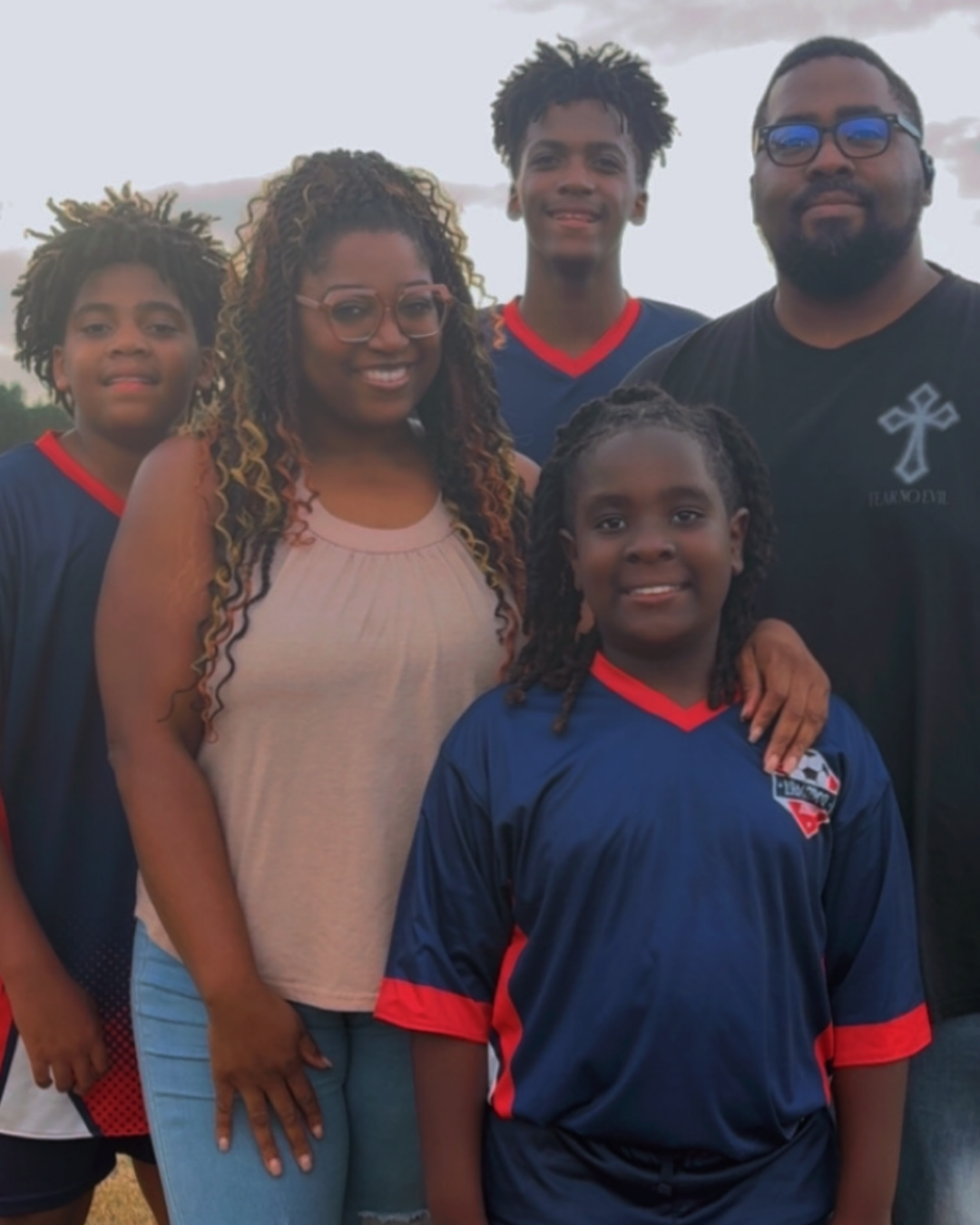
Shaneika makes sure to spend quality time with her husband, sons, and nephew—the family she guides and supports.

Shaneika makes sure to spend quality time with her husband, sons, and nephew—the family she guides and supports.

The support Shaneika and her family received during the RHCK workshops is now rippling outward. Every member of the Murphy family is finding ways to help others thrive. 

Discovering a Supportive Community for Parents

During the RHCK workshops, Shaneika also discovered the invaluable benefits of a meaningful and supportive community among fellow parents. The close relationships that formed during the sessions made a big impression on her. She described the RHCK program as an opportunity for “making community”—and “building a family if you don’t have one.” 

Shaneika and the other parents in the workshop formed deep connections with each other, sharing both their strengths and weaknesses. She felt supported on every level. “I had people that were pushing me to do better, pushing me to be greater and be more excellent, and in other areas besides parenting as well,” she explained. The bonds Shaneika formed with other parents during the workshops continue to uplift her even today.

Evolving from Learning to Leading

While Shaneika was participating in the RHCK workshop, one of the facilitators, Dr. Tonya Moore, noticed how Shaneika’s professional skills as a behavioral therapist helped her support other parents. “I observed Shaneika organically building rapport with the parents. . . . She also displayed an interest in bringing resources to parents,” Tonya explained. 

Drawing on Shaneika’s strengths, Tonya worked with her to develop Parent Café, a prayer and support group that connected parents during and after RHCK workshops. She also started thinking about how Shaneika could continue supporting workshop participants and the broader community by becoming an RHCK facilitator.

When Tonya approached Shaneika about the opportunity, Shaneika was hesitant at first. She didn’t feel very comfortable speaking in front of others. But Tonya gently pushed Shaneika out of her comfort zone, boosting her confidence and encouraging her to take on the new role.

And when Shaneika settled her nerves and became a facilitator in the fall of 2025, she realized she had a passion for it. “It’s one of the more purposeful things that I’ve done,” she reflected. “I look at it as an honor to be able to do that because, in some way, I may be able to help the next generation with something that I’ve said or something that I’ve helped a parent to understand or realize.” 

As a parent, Shaneika had gained so much from the support RHCK offered her, and now she could support the families in her community in return. She was also setting an example for her sons, showing them how to overcome fears and to serve their neighbors in need.

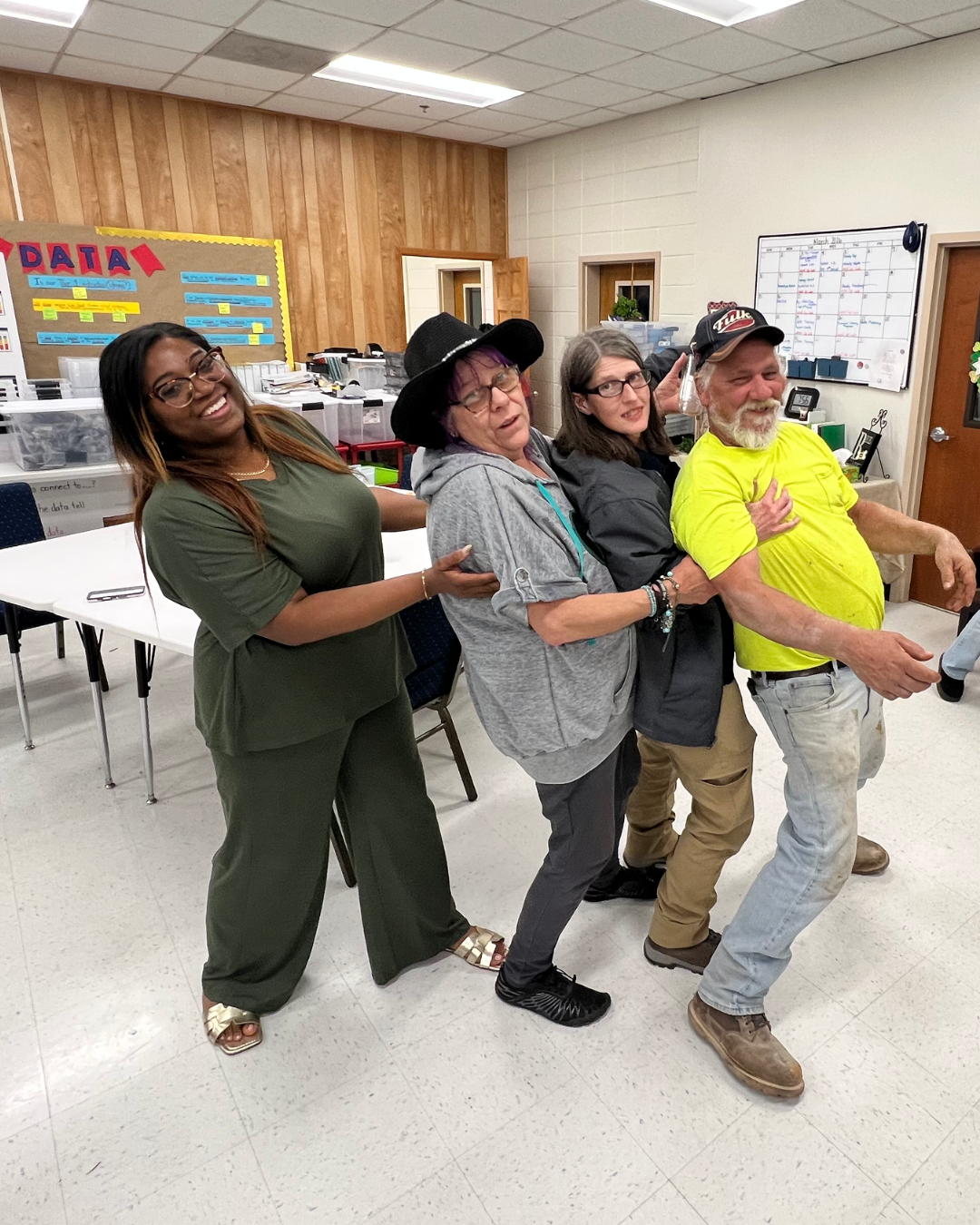
During an RHCK workshop, Shaneika led parents and caregivers in an activity that drove home the importance of teaching children to lean on others for support.

Shaneika serves as an RHCK facilitator in Lamar County, Georgia, where she helps other parents and caregivers find the tools and support they need to build stronger families and communities.

During an RHCK workshop, Shaneika led parents and caregivers in an activity that drove home the importance of teaching children to lean on others for support.

Receiving Support When Times Got Tough

Through her experiences as both an RHCK participant and a facilitator, Shaneika built a strong, supportive community for her family. And when she had a major surgery followed by a long recovery process, that community stepped in to help out. 

One of the RHCK facilitators created a meal train to help the Murphy family, and other facilitators and parents contributed financially and with their prayers. People also regularly stopped by to check on Shaneika’s husband and children, making sure they had everything they needed.

The support system Shaneika had developed was once again wrapping itself around her, and also showing her children the powerful impact a caring community can make.

Inspiring Children to Build Community

To continue supporting her boys as they grow into responsible, thoughtful young men, Shaneika is now helping them develop skills for positive social interactions and active community engagement. 

To serve others, Shaneika’s sons started volunteering with RHCK during the fall of 2025. They read to the younger children while their parents take part in the RHCK workshop. They also help out after each session, putting away supplies and making sure participants get to their cars safely. Volunteering has even sparked an interest in Shaneika’s oldest son in getting a job.

And RHCK participants and facilitators have noticed the good work Shaneika’s sons are doing. The praise the boys receive gives them an extra boost of confidence. “They hear it from me all the time. They hear it from their dad. They’re great. They’re going to be successful,” Shaneika shared. “But when you hear it from someone outside of your circle, it just kind of rings a little bit more.”

Through RHCK, Shaneika also learned about a class that paired young boys with mentors. She enrolled her children, and they’re now thriving in the program. Shaneika’s husband saw the impact of the class on his sons, and he became a mentor through the same program. 

As both parents and role models, Shaneika and her husband want their sons to understand the power of connecting with people so they can not only be supported but also offer support to others. “You want them to be contributing citizens to their community,” Shaneika emphasized.

Continuously Expanding the Circles of Support

Through Shaneika, the waves of support have steadily rolled outward. The RHCK program gave her the tools to support her family through the many ups and downs that middle school and high school can bring. She also built a supportive community to help them flourish. As a facilitator, Shaneika empowered other parents to create stability and community for their families. And now, her whole family is finding ways to serve others. In Shaneika’s words, “It’s just this effect that keeps on going.” 

Above all, the supportive relationships Shaneika has formed and nurtured continue to strengthen both her own family and others who need a community—and, as she described it, “a family away from family.”

Bring the Transformation of RHCK to Your Family and Community 

If you’re interested in getting the tools and support to bring more strength and stability to your family, please visit our Raising Highly Capable Kids page.

GCO Praises Federal Leaders for Empowering States to Strengthen Pathways to Work through the Stronger Workforce for America Act

GCO Praises Federal Leaders for Empowering States to Strengthen Pathways to Work through the Stronger Workforce for America Act

Media statement, in the news, Georgia news, ga news

GCO Praises Federal Leaders for Empowering States to Strengthen Pathways to Work through the Stronger Workforce for America Act

PEACHTREE CORNERS, GAThe Georgia Center for Opportunity (GCO) offers its full support to the Stronger Workforce for America Act of 2026 and commends Congressman Tim Walberg, Chair of the House Committee on Education and Workforce, for introducing this significant legislation to reauthorize the Workforce Innovation and Opportunity Act.

GCO is a nonprofit, nonpartisan organization that focuses on ensuring access to quality education, fulfilling work, and healthy family lives through research, policy analysis, and community initiatives. We advance solutions that increase opportunity and give Georgia families a durable path out of poverty. We are also a founding member of the Alliance for Opportunity, a multi-state coalition focused on improving state-administered public assistance and workforce programs to help Americans achieve lasting opportunity and stability.

The Stronger Workforce for America Act aligns with our work and includes an invaluable option for state flexibility, the Make America Skilled Again Grants. These grants would allow 10 states to implement the One Door to Work model, which would empower them to integrate their safety net and workforce systems.

Utah has had this authority for nearly 30 years, after being grandfathered into the strategy. This has enabled Utah to provide its citizens with both support to meet their immediate needs and a clearer path into the workforce and toward self-sufficiency.

The results of Utah’s One Door policy are impressive. For example, the state has outpaced the national labor force participation (LFP) rate, or the number of working-age people employed or looking for a job, by an average of 5.3%. As of late 2025, Utah’s LFP rate was approximately 67.6%, one of the highest in the nation.

In contrast, Georgia’s LFP rate is 60.6%. Put another way, nearly 40% of Georgians, many of them prime-age men, who can work are choosing not to.

Eric Cochling, GCO’s Chief Program Officer and General Counsel, emphasized the detrimental impact of these statistics and the critical importance of work for a flourishing life:

“A good job offers more than just a paycheck. It provides purpose and stability and is one of the most durable ways to empower people to break the cycle of poverty.”

He also stressed the need for reform: “If we truly want to expand opportunity in Georgia and across the country, individual workforce and safety net programs must start functioning as a true system—one that’s designed to support human dignity and flourishing. The Stronger Workforce for America Act is a much-needed step in the right direction.”

Georgia policymakers are paying attention to the success of Utah’s integrated welfare and workforce system and are seeking opportunities like the Make America Skilled Again Grants to implement similar reforms that benefit both Georgians and the state economy.

As Buzz Brockway, GCO’s Vice President of Public Policy, said:

“The ability to link workforce and safety net systems is key to boosting Georgia’s current trajectory as a leader in economic opportunity. The Make America Skilled Again Grants included in the Stronger Workforce for America Act would give Georgia’s leaders a powerful way to strengthen families, expand the workforce, and set the state on a path to more rapid growth.”

Randy Hicks, GCO’s President and CEO, added:

“Every state deserves the ability to design an integrated system that enables people to thrive. Right now, every wasted hour navigating disconnected programs is an hour that could have been spent building a better future. This bill ensures that states can rethink the status quo and create pathways to opportunity for every citizen.”

Through the changes it proposes, the Stronger Workforce for America Act of 2026 is poised to make meaningful welfare and workforce reforms possible in Georgia, and GCO strongly urges its enactment.

###

Georgia Center for Opportunity (GCO) is independent, non-partisan, and solutions-focused. Our team is dedicated to creating durable paths out of poverty for families in Georgia and beyond. To achieve our mission, we research ways to help remove barriers to opportunity and promote our solutions to policymakers and the public so that public policy and civil society can effectively and innovatively strengthen family stability, economic mobility, and child opportunity in the communities where lives are lived. 

Send media inquiries to:

Rebecca PrimisGeorgia Center for Opportunity
RebeccaP@foropportunity.org