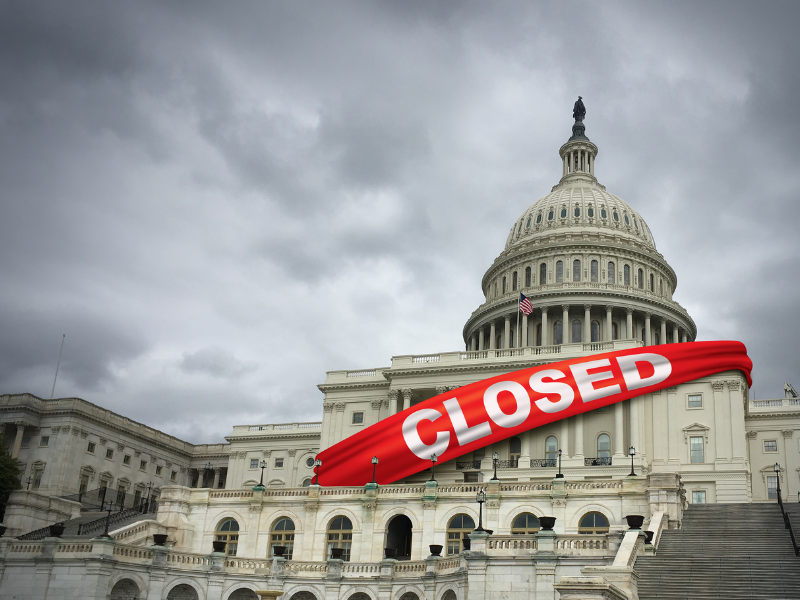
Government shutdowns and safety net programs
For many Americans who currently need assistance from programs like SNAP, WIC, Temporary Assistance for Needy Families (TANF), and Social Security, a government shutdown can be a fearful prospect. The worry of losing essential benefits and facing greater financial hardship can take a significant toll on individuals and families in low-income households and communities.
Impact of a shutdown on SNAP benefits
SNAP, the nation’s second largest safety net program, helps eligible families buy food. Around 42 million Americans currently receive this vital support. The federal government pays for SNAP benefits, and funds are delivered to the states for distribution to the individuals and families who need them.
During a government shutdown, there are typically enough funds available to provide SNAP benefits for about a month. Few shutdowns in American history have gone on that long, so recipients usually don’t notice any change in financial assistance.
But on November 1, 2025, the current government shutdown surpassed the one-month point, and SNAP recipients didn’t receive any benefits for the coming month. To address this critical situation, the federal government will use its emergency funds to provide SNAP support. Unfortunately, this will only be a short-term solution, and it isn’t likely to cover all the SNAP assistance the government would usually distribute during the month.
It’s important to note that a pause in SNAP benefits during a government shutdown hurts not only individuals and families, but also local economies. Food stamps help support the businesses where people spend them, like grocery stores and farmers markets. Every dollar of SNAP benefits generates about $1.54 in economic activity, but this grinds to a halt when the government doesn’t fund this essential public assistance.
Impact of a shutdown on WIC benefits
WIC provides families with free healthy foods, breastfeeding support, nutrition education, and referrals to other services. Almost 7 million pregnant women, new moms, and children up to age 5 currently depend on WIC support.
The 2025 shutdown has put WIC benefits in jeopardy, and federal funding for this crucial assistance becomes more uncertain the longer the government remains closed. In the short term, federal officials are using revenues from other sources to keep the program running.
Government shutdowns can push people struggling with hardships further below the poverty line. Recent data shows that a pause in crucial welfare assistance would cause an additional 2.9 million Americans to fall into poverty in late 2025. This would also put future generations at risk of becoming trapped in long-term cycles of poverty.
During a government shutdown, community support for our neighbors is critical. Churches, food banks, charities, and other nonprofit organizations can increase their efforts to provide food to people in need to help them through the difficult time, and community members can provide urgently needed donations.