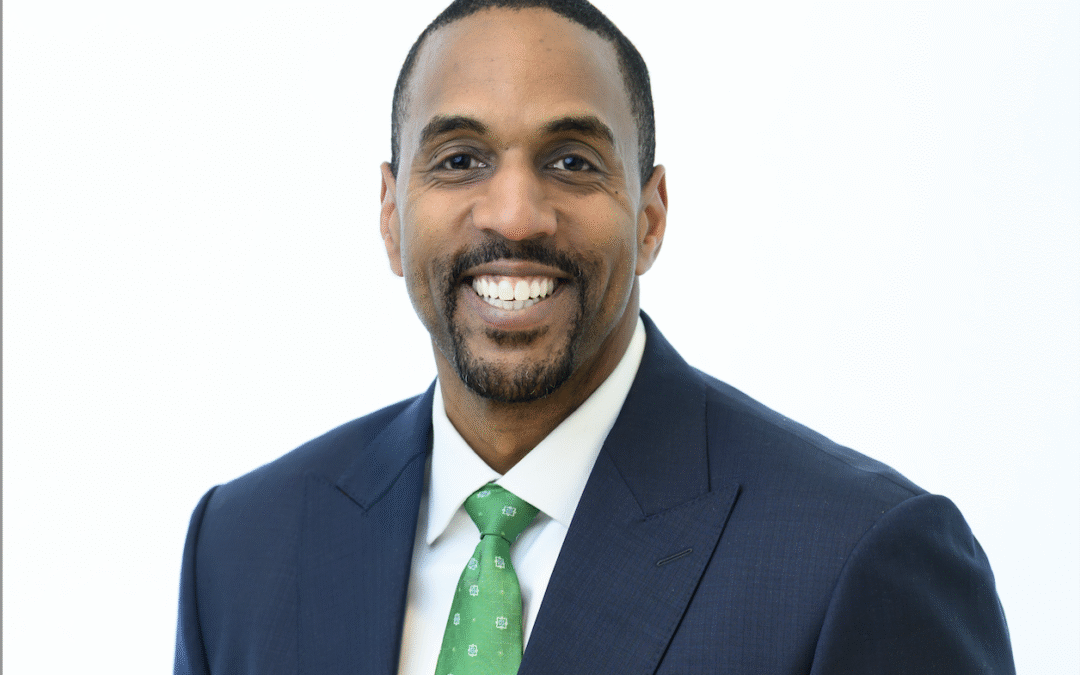
Strengthening families for generational change: GCO welcomes Travis Thorne to the team

Strengthening families for generational change: GCO welcomes Travis Thorne to the team
The Georgia Center for Opportunity (GCO) is honored to welcome Travis Thorne as the Vice President of Family. Travis will lead GCO’s Family Initiative and shape the future vision of its flagship program, Raising Highly Capable Kids (RHCK), which is an in-person, 10-week program designed to equip parents and caregivers with practical tools, honest conversations, and confidence to raise healthy, responsible, and caring kids.
Travis brings more than 20 years of experience in leadership, relationship management, and strategic problem-solving. Alongside his corporate career, he has spent many years serving in ministry, leading family and men’s small groups focused on strengthening households through practical guidance around money, marriage, and legacy. A Georgia native who grew up in Jonesboro, Travis combines professional expertise with a deep personal commitment to families across the state.
Travis was drawn to GCO because of its holistic approach to poverty and opportunity. “At GCO, we understand that poverty, especially generational poverty, is about more than income,” Travis shared. “It’s often about fractured relationships and a loss of hope. Strong families are where a sense of purpose, belonging, and connection begins.” That belief closely aligns with GCO’s mission to advance solutions that expand opportunity and help Georgia families build durable paths out of poverty.
GCO selected Travis to lead the Family Initiative because of his unique ability to bridge strategy and relationships. His experience building trusted partnerships in high-performance environments, combined with years of hands-on ministry and family engagement, positions him to lead family-centered work that is both relational and scalable.
“I’m thrilled to welcome Travis to our team to lead our work in strengthening families,” said Eric Cochling, GCO’s Chief Program Officer and General Counsel. “Travis brings a unique mix of professional experience, drive, and a passion for this work that I am confident will take our family-focused initiatives to the next level and allow us to have a much deeper impact in the communities we serve.”
In his role, Travis will focus on empowering parents as the primary leaders in their children’s lives and strengthening parent-child relationships to drive generational change. This includes enhancing and expanding RHCK. Unlike many parenting programs that focus only on parents, RHCK brings families together in cohorts that build social relationships, trust, and connection, especially in communities connected to Title I schools, which serve high numbers of low-income households.
Looking ahead, Travis envisions RHCK growing through strong partnerships with faith-based organizations, schools, and community leaders. “We listen, we learn, and we build alongside families,” he said. His vision is to see RHCK become a trusted, community-anchored model that meets families where they are and creates a lasting impact across generations.
With Travis’s leadership, GCO is excited to expand the reach and success of its Family Initiative.