Recasting Lawrenceville as a resilient, connected community

Recasting Lawrenceville as a resilient, connected community

Higher numbers of non-working adults are concentrated in Georgia communities struggling with poverty and distress.

Recasting Lawrenceville as a resilient, connected community

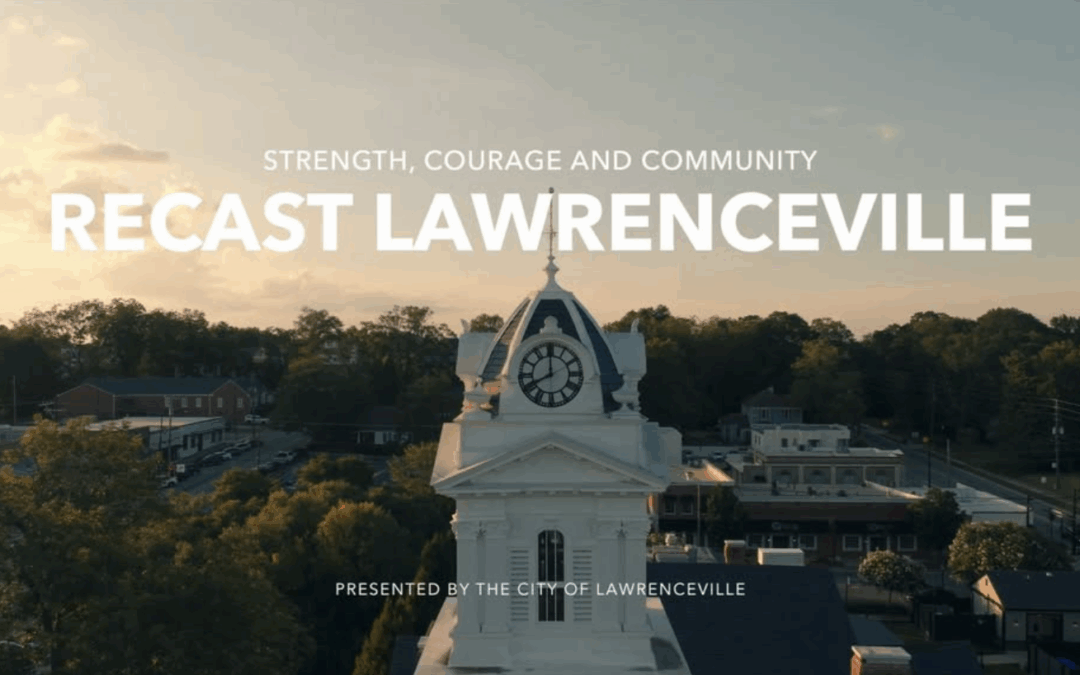
Lawrenceville, Georgia, launched a unique partnership called ReCAST (Resiliency in Communities After Stress and Trauma) in 2021 to address poverty and expand opportunities in the city. 

Because growing vibrant, resilient communities isn’t ever a solo endeavor, ReCAST coordinators connected with local organizations that could meet the needs of underserved residents where it mattered most—in Lawrenceville’s homes and neighborhoods. 

ReCAST engages three dynamic partners to meet its goals. Impact46 provides essential housing services to people experiencing financial hardship. View Point Health offers mental and behavioral health assistance. And the Georgia Center for Opportunity (GCO) helps chronically unemployed or underemployed people prepare for and find rewarding work.

Eric Cochling, GCO’s Chief Program Officer and General Counsel, noted:

“We chose to participate in ReCAST because of the comprehensive approach to addressing community needs envisioned by the initiative. The focus on collaboration among local groups and on helping families develop community relationships reflects GCO’s method of supporting people in need.”

Lawrenceville recently produced a mini-documentary highlighting the third year of ReCAST’s accomplishments. It shows what’s possible when community members unite to open doors to a brighter future for local residents.

Connecting Lawrenceville job seekers with meaningful work

Employment plays a key role in healing communities after stress and trauma. In Gwinnett County, where Lawrenceville is located, GCO’s BETTER WORK program furthers ReCAST’s goals by bringing together local employers, nonprofits, and mentors to help people find fulfilling jobs close to home.

Carolina Pachon, GCO’s BETTER WORK Program Manager in Gwinnett County, explained that the program changes lives by giving people “a sense of hope, stability, and a way forward.”

As part of the BETTER WORK initiative, GCO offers a class called Jobs for Life. The class teaches valuable work skills, but it’s much more than a job training or placement course. It helps participants form the supportive community relationships that can point them in a new direction in life.

During the class, Jobs for Life students learn that meaningful work brings more than just a paycheck. It provides a sense of dignity and purpose that’s essential for human flourishing. A rewarding job also gives workers the confidence and courage to rise out of poverty and build a better future. This resiliency then spreads, revitalizing and strengthening workers’ families and communities as well.

GCO’s programs are particularly impactful in Lawrenceville, where many residents struggle with barriers to opportunity. The city’s poverty rate is 17.2%, well above Gwinnett County’s average rate of 10.5%. The higher poverty rate also correlates with data showing that about 19% of prime-age (25-54) adults in Lawrenceville aren’t currently working.

Sparking change in a young man’s life

Josiah, a young Lawrenceville resident, found Jobs for Life at a point when he most needed his local community to listen and offer support. He was having a hard time finding a sense of purpose in his life.

Carolina described Josiah as shy at first, but during the class, she saw a big transformation in his mindset. Josiah’s self-esteem soared as facilitators and fellow students created a caring community around him. At the end of the program, he gave an inspiring graduation speech emphasizing the significance of the personal connections he’d made. “I’ve come to believe that the purpose of life is to build meaningful relationships with people,” he shared.

Josiah now works in a restaurant and has a passion for cooking. He’s looking for ways to combine this enthusiasm with his desire to serve others. “I’m super excited,” he said.

Josiah offered this valuable advice to others who are struggling: “Let go of uncertainty. If you think you want to do something, do it.”

Making Lawrenceville a true hometown

Communities grow stronger when people invest in the well-being of their neighbors. ReCAST enables Lawrenceville residents to do just that through vital local initiatives.

Support for neighbors who need a hand empowers people like Josiah to take meaningful steps forward, to rise out of poverty, and to help the whole community thrive. The interconnectedness that ReCAST has set in motion makes Lawrenceville a true hometown—a place to belong—for the individuals and families who live there.
GCO welcomes new team members to grow our BETTER WORK initiative

GCO welcomes new team members to grow our BETTER WORK initiative

Parental love helps children gain the emotional health, behavioral skills, and academic success that unlocks social mobility.

GCO welcomes new team members to grow our BETTER WORK initiative

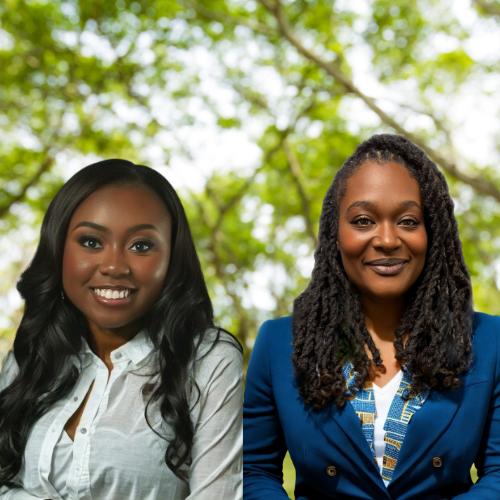
The Georgia Center for Opportunity (GCO) is pleased to welcome two new team members, Mariah Thomas and Angelique Valentine. They will be program specialists for our BETTER WORK initiative.

BETTER WORK empowers communities to be the first line of assistance for local residents experiencing poverty and unemployment. The initiative brings together employers, nonprofits, and local organizations, creating a community support system that prepares people for work and helps them connect with local job opportunities.

BETTER WORK goes far beyond helping people to provide for their families financially. It encourages individuals to recognize their full potential and reconnect with work as a key source of dignity, purpose, and belonging in their lives.

In their roles, Mariah and Angelique are the first point of contact for BETTER WORK clients—many of whom have experienced significant bias and struggle to trust others. Because of this, Mariah and Angelique prioritize clear communication; consistent follow-through; transparency; and a strong, supportive presence.

Mariah and Angelique guide new clients through the BETTER WORK program, lead interview training to boost confidence, and manage volunteer support. One of the most impactful parts of their roles is meeting with clients one-on-one for career assessments, resume help, and mock interviews. Through these responsibilities, Mariah and Angelique are helping people take meaningful steps toward a better future. 

“Together, Mariah’s and Angelique’s combined strengths will make them highly effective in supporting our clients with their job search needs. They draw on their unique life experiences to empathize deeply with clients and understand the challenges they face while seeking employment,” said Kristin Barker, Vice President of Workforce Solutions at GCO. “We can anticipate more successful interviews and new hires, as clients feel genuinely heard and receive training that aligns more closely with employers’ needs.”

Mariah and Angelique each bring personal experiences and professional passion that make their positions at GCO especially meaningful to them.  As a former human resources specialist for the city of Columbus, Georgia, Mariah has a firsthand understanding of people who aren’t typically given another chance after facing life’s twists and turns.

“Every person on this earth deserves a second chance, regardless of their background and circumstances,” said Mariah. “The GCO team strives to understand the needs of our community and works to find creative and practical solutions to correct the unfortunate realities that exist.”

Angelique has a unique perspective as a former participant in BETTER WORK’s Jobs for Life class, which helps students learn job skills, build positive mindsets around work, and form community relationships. During the class, Angelique discovered GCO’s commitment to the community and those who simply need a chance. In her new role, Angelique now has the opportunity to connect with people who feel misunderstood and yearn to make a difference.

“GCO is focused on the deeper issues. By addressing things like employment, education, and family support, they help create real, lasting change. It strengthens families, neighborhoods, and even future generations,” said Angelique.

Learn more about how we’re expanding opportunities for work in Georgia communities:

National poverty rate fails to Capture the problem of poverty concentration in Georgia and beyond

National poverty rate fails to Capture the problem of poverty concentration in Georgia and beyond

press release, news, The press release prominently features the company logo and headline, with visible text detailing the announcement.

National poverty rate fails to Capture the problem of poverty concentration in Georgia and beyond

PEACHTREE CORNERS, GA—The official poverty rate fell 0.4% to 10.6% in 2024, according to the U.S. Census Bureau’s latest report on poverty. The data shows that 35.9 million Americans were living in poverty last year.

These numbers suggest trends at a high level, but they don’t reflect the biggest poverty-related issue, both for the nation and for Georgia: the concentration of poverty in specific neighborhoods. Instead of affecting only certain individuals and families, poverty is enveloping entire communities. This is leading to significant geographic and societal separations among Georgians—not only financially, but also in terms of opportunities for education, work, and family formation.

Randy Hicks, the Georgia Center for Opportunity’s President and CEO, also shared that:

“The national numbers don’t tell us much about poverty from the perspective of the person or community experiencing it. They fail to convey that poverty is much more than a material issue for those who are struggling. Research has shown that people living in neighborhoods with high concentrations of poverty lack the essential local network of supportive relationships that’s crucial for helping them thrive and rise out of poverty.”

At a glance: facts on concentrated poverty in Georgia

  • Georgia’s poverty rate: 13.5%—2.9% above the national average, ranking 38th. 
  • Poverty exceeds the national rate in 133 of Georgia’s 159 counties. 
  • Atlanta’s poverty rate: 18.1% overall; 27.2% among children.
  • Lawrenceville’s poverty rate: 17.2%, compared with Gwinnett County’s 10.5%.
  • Southern and central Georgia show especially high concentrations of poverty.

Breaking down Georgia’s poverty landscape

Georgia’s average poverty rate was 13.5% in 2023, per the U.S. Department of Health and Human Services, or 2.9% higher than the national rate. 

This difference may seem slight, but it puts Georgia 38th in the country when it comes to poverty. Poverty rates in 133 of Georgia’s 159 counties also exceed the national rate. 

Within counties, concentrations of poverty exist in particular cities. For example, Atlanta, the county seat of Fulton County, has a poverty rate of 18.1%. Poverty is even more concentrated among the city’s children, with 27.2% living in poverty. These numbers are significantly higher than the county’s average poverty rate of 12.6%.

Lawrenceville, in Gwinnett County, also struggles with concentrated poverty at a rate of 17.2%. The county’s average poverty rate is just 10.5%. 

In many cases, poverty rates are higher than the state average in central and southern Georgia, suggesting concentrations of poverty in communities in those regions.

Impacts of increasing concentrations of poverty

In neighborhoods with higher poverty levels, residents experience many negative impacts, including limited access to quality education, healthcare, and employment opportunities. They also struggle with increased crime and inadequate housing and living conditions. These factors significantly hinder social and economic mobility and contribute to cycles of poverty that are difficult to escape.

Eric Cochling, the Georgia Center for Opportunity’s Chief Program Officer and General Counsel, noted:

“Poverty has an especially big impact at the local level. It’s a crisis of human well-being. These neighborhoods are often missing the vital community connections and social institutions that help people navigate life’s challenges. As social isolation and disengagement from work increase, people suffer from the loss of purpose and belonging that work and relationships provide.”

About the Georgia Center for Opportunity

The Georgia Center for Opportunity is a nonprofit organization that works to remove barriers to ensure that every person—no matter their race, past mistakes, or the circumstances of their birth—has access to safe communities, a quality education, fulfilling work, and a healthy family life. Learn more at foropportunity.org.


###

Georgia Center for Opportunity (GCO) is independent, non-partisan, and solutions-focused. Our team is dedicated to creating opportunities for a quality education, fulfilling work, and a healthy family life for all Georgians. To achieve our mission, we research ways to help remove barriers to opportunity in each of these pathways, promote our solutions to policymakers and the public, and help effective and innovative social enterprises deliver results in their communities.

Send media inquiries to:

Camille WalshGeorgia Center for Opportunitycamillew@foropportunity.org


Non-working adults concentrated in Georgia’s distressed communities

Non-working adults concentrated in Georgia’s distressed communities

Higher numbers of non-working adults are concentrated in Georgia communities struggling with poverty and distress.

Non-working adults concentrated in Georgia’s distressed communities

In 96 of Georgia’s 159 counties, at least a quarter of prime-age (25-54) adults aren’t working, according to the Economic Innovation Group’s recently updated Distressed Communities Index (DCI)

The higher percentage of non-working adults in these counties surpasses the national rate of 20.9%. It also contributes to more Georgians living in distressed communities, where residents face challenges to accessing opportunities that make it possible to break out of poverty. While the numbers of non-working adults vary significantly throughout Georgia, they are a strong reminder that communities and lawmakers must continue to support and empower adults who have the ability to enter the workforce.

Workforce participation a key factor in community well-being

The number of adults not working is one of several statistics the DCI uses to determine where communities fall on the spectrum of well-being and economic opportunity. Other factors include the number of people without a high school diploma or equivalent, the housing vacancy rate, the median household income, and the share of the population below the poverty line. 

The latest DCI update shows that 16.8% of Georgians are living in distressed communities (approximately 1.8 million people), and another 18.3% live in “at risk” communities (approximately 2 million people). 

In particular, the statewide percentage of prime-age adults who don’t work is 28.1%, which is about 7% above the national rate. Some counties significantly exceed the state average. For example, in Stewart County, just south of Columbus, 63.4% of prime-age adults aren’t working. Morgan County, on the east side of Atlanta, has the lowest percentage of non-working adults at 15.3%. 

The numbers of non-working adults correlate with poverty rates in counties across Georgia. While the national share of the population living below the poverty line is 12.4%, Georgia’s overall rate is 13.5%. Stewart County, discussed above, has a poverty rate of 27.8%. In contrast, Morgan County’s poverty rate is just 7.4%.

Use the table below to see how many adults aren’t working in your community.

Number of non-working adults compared to the unemployment rate

It’s important to note that prime-age adults not working is a separate workforce issue from Georgia’s unemployment rate. The unemployment rate is the percentage of people in the labor force who are actively looking for work but aren’t currently employed. In contrast, non-working adults are people who aren’t employed and are not actively looking for work. 

In Georgia, disengagement from work tends to be a bigger issue further outside Atlanta. The map below illustrates that several of the counties surrounding Atlanta have lower percentages of non-working adults, and they typically have unemployment rates close to Georgia’s overall unemployment rate of 3.4%.

Benefits of work beyond the economic aspect

The DCI focuses primarily on economic well-being, showing how it improves as people enter the workforce. But our research has found that there are many other non-financial benefits of work, especially for communities struggling with long-term or generational poverty. 

Evidence shows that working provides a stronger sense of self-esteem, dignity, and purpose for employed people. 

Work also improves mental and physical health. Working adults often experience less anxiety, fewer symptoms of depression, a decreased risk of suicide, and lower mortality rates. Greater opportunities for upward mobility can enhance these positive effects.

The families of those who work are more stable as well, and the children of working adults tend to have stronger academic performance and future income for themselves. 

A thriving workforce also changes entire neighborhoods for the better. More adults working contributes to more positive engagement in the community overall, greater opportunities for job growth, and increases in services and resources. Employment has also been linked to reductions in crime and recidivism.

Helping Georgians experience the benefits of work

It’s crucial that both policymakers and communities throughout Georgia continue their steadfast efforts to encourage non-working adults to enter the workforce. Doing so will lift distressed communities and narrow the economic and social gaps that separate them from their more prosperous neighbors. 

As local organizations support and empower people who are considering work, they can also take the opportunity to help those individuals recognize how working can cause a ripple effect of rewarding changes, creating a more hopeful future and a greater quality of life for themselves, their families, and their communities.

Image Credit: Canva