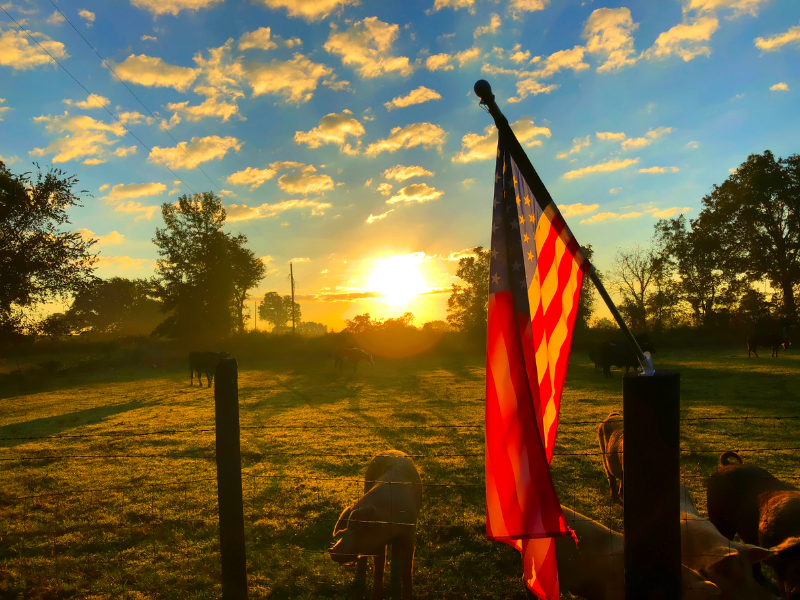
We just celebrated Independence Day in the United States., a time to reflect on the blessings of freedom and liberty that we enjoy as citizens of this great nation. In the words of Lee Greenwald, “I’m proud to be an American, where at least I know I’m free.”
But even as we give thanks for all that America has to offer, we can’t forget that so many of our neighbors are struggling. Those struggles extend to every area of life — whether it’s a breakdown in relationships, mental health challenges, lack of access to education, or distrust of major institutions — but let’s focus on the area that oftentimes leads to these struggles, economic challenges.
The poor are hurting
The highest inflation rate in four decades is pinching low-income and impoverished households, as the price for essentials like groceries, gas, and rent go through the roof. Meanwhile, wages, while improving, are struggling to keep up with these spiking costs.
Given this reality, what do freedom and liberty in the U.S. mean through the eyes of the poor? At its core, those things mean the opportunity for a better life, both for themselves and for their children. But the steps to achieve that better life don’t come in isolation. And the only solution is not more government intervention. The social safety-net is important, but habitual reliance on it leads to cycles of dependence, not long-term flourishing.
So what do our neighbors who are struggling most need in this environment? A hand up, not a hand out — one that comes when communities come together for good.