
NEWS & OPINIONS
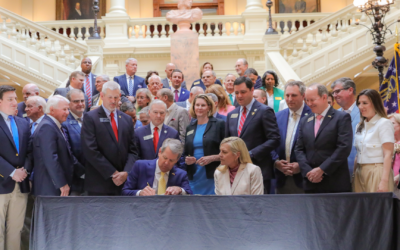
How Georgia’s Governor Impacts Your Daily Life: Understanding the Role and the Election Process
From vetoing bills to deciding the budget, check out five ways Georgia’s governor impacts schools, safety, work, and public programs that our families and communities rely on.
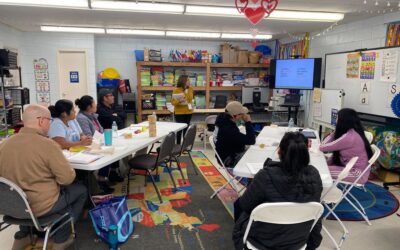
Raising Highly Capable Kids Program Increases Positive Values and Social Skills in Children
GCO and its partners offered 15 RHCK workshops at 12 locations in 2025. Participants took pre- and post-workshop surveys that illustrated the ways families had grown stronger throughout the program.
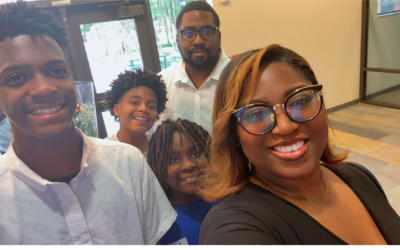
Strengthening Her Family, Building Her Community: Shaneika Murphy’s Passion for Helping Others Flourish
After completing the Raising Highly Capable Kids workshop as a parent, Shaneika Murphy now supports other parents as a program facilitator. Her sons volunteer with the program, too. Together, the Murphys are a shining example of how strong families build strong communities.

Stronger Readers, Brighter Futures: Georgia Lawmakers Open Doors with New Literacy Bill
State legislators are paving the way for children to overcome challenges with literacy, empowering them to thrive in their academic development and build flourishing lives for themselves and their families in the future.

Unleashing Students’ Potential: Georgia Legislators Champion Advanced Math Opportunities
The Georgia General Assembly has passed a bill that will create opportunities for students to take advanced math classes earlier in their academic development.
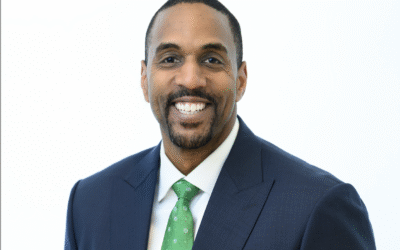
Strengthening families for generational change: GCO welcomes Travis Thorne to the team
The Georgia Center for Opportunity (GCO) is honored to welcome Travis Thorne as the Vice President of Family. Travis will lead GCO’s Family Initiative and shape the future vision of its flagship program, Raising Highly Capable Kids (RHCK), which is an in-person,...
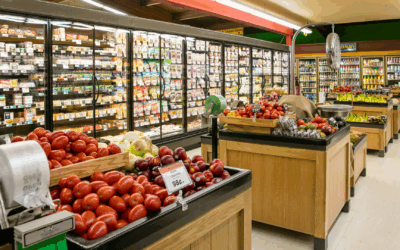
Understanding welfare work requirements: new eligibility rules for SNAP and Medicaid
Big changes are in process for some recipients of Medicaid and Supplemental Nutrition Assistance Program (SNAP or food stamps) benefits and for the state governments that administer the programs. See a breakdown of the changes and who they will actually affect.

Shaping Georgia’s future: Opportunities for the year ahead
The well-being of many Georgians, their families, and their communities is at stake as pressing concerns like welfare reform, the cost of living, educational opportunities, and public safety take center stage in 2026.
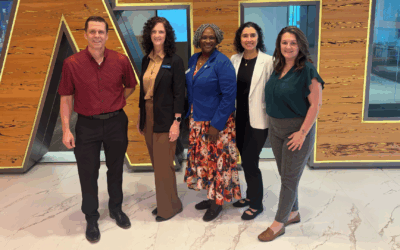
Creating links that change lives: Georgia Center for Opportunity partners with Connect to Work GA
This collaboration will help lift job seekers above the poverty line by providing opportunities for successful careers and upward mobility.

Frightfully pricey treats: Why Halloween fun is costing Georgia families more
As Halloween approaches, Georgia families look forward to making great memories involving adorable costumes and fun candy hauls. But candy prices have become nothing short of scary for families trying to make ends meet. Here’s why prices are on the rise for Georgia’s favorite Halloween treats.

Decarceration’s Disconnect: Corrections spending rises in Georgia even as prison population declines
Prison reform debates often focus on reducing prison populations to save taxpayers money. But is that actually possible? In a new report for the Manhattan Institute, Joshua Crawford, Public Safety Fellow at the Georgia Center for Opportunity, reveals some surprising answers.

Recasting Lawrenceville as a resilient, connected community
Through our partnership with the ReCAST initiative, residents in Lawrenceville are finding purpose, hope, and connection through employment. One powerful example is Josiah, who found a path forward by participating in our Jobs for Life class.
MEDIA MENTIONS
GCO Praises Federal Leaders for Empowering States to Strengthen Pathways to Work through the Stronger Workforce for America Act
The Stronger Workforce for America Act of 2026 includes an invaluable option for state flexibility, the Make America Skilled Again Grants. Georgia and other states need this option so they can design workforce and safety net systems that meet families’ immediate needs while providing a clearer path to opportunity and self-sufficiency.
Affordability Tops the List of State Priorities for 2026
Eric Cochling in the DC Journal Originally published February 3, 2026 A full agenda is underway in the 35 states that have just convened their legislative sessions. Affordability is the buzzword heard far and wide, as millions of Americans continue to struggle with...
Crime Is Down, and It Should End ‘Root Cause’ Excuse-Making for Good
Josh Crawford in The Hill Originally published January 20, 2026 With 2025 behind us, violent crime — especially murder — is likely down nationally once again. Although it will be months before we have official statistics, early indicators suggest a continuation of the...
Georgia Candidates for Governor Should Make Welfare Reform a Top Priority
Buzz Brockway in the Atlanta Journal-Constitution Originally published November 25, 2025 In their pitch to voters, the 2026 candidates for Georgia governor have mentioned they are likely to address tax reform, health care, jobs, immigration, child care and housing...
On Thanksgiving, Remember That Gratitude Makes Good Citizens, Heals Divisions
Originally published November 20, 2025 President Abraham Lincoln officially made Thanksgiving a national holiday in 1863, during the Civil War that threatened the very existence of the United States. He wanted to unify the nation by encouraging Americans to count...
The Safety Net ‘System’ That Isn’t
Eric Cochling in Governing Originally published November 20, 2025 Starting in 2027, work requirements kick in for certain beneficiaries on Medicaid, while new work rules for the SNAP food assistance program took effect on Nov. 1. These reforms mandated by the One Big...
A legacy of healing — Documentary tells ReCAST Lawrenceville’s journey through residents’ stories
Excerpt from Gwinnett Daily Post profile: Originally published October 15, 2025 Funded four years ago with a $5 million federal grant, ReCAST Lawrenceville has been an invaluable resource to a host of city residents as it works with its partners — Impact 46, the...
The Fantasy That Cutting Prison Populations Saves a Lot of Money
Joshua Crawford in Governing Originally published October 31, 2025 State leaders hoping to trim budgets by reducing prison populations are in for some disappointment. Proponents of decarceration often tout potential savings, but despite a 24 percent drop in state...
