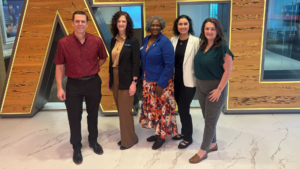
The Georgia Center for Opportunity and Connect to Work GA have entered into a valuable partnership that will link job seekers with rewarding jobs in the Atlanta area.
The Georgia Center for Opportunity’s BETTER WORK program will prepare clients for work, and Connect to Work GA will then introduce them to employers.
This collaboration will help lift job seekers above the poverty line by providing opportunities for successful careers and upward mobility.

The Georgia Center for Opportunity (GCO) entered into a dynamic partnership with Connect to Work GA in October 2025. Together, the organizations will link participants in GCO’s BETTER WORK program with rewarding jobs in the Atlanta area.
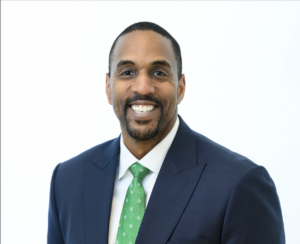
Eric Cochling, GCO’s Chief Program Officer and General Counsel, shared that “GCO is thrilled to partner with Connect to Work GA because it gives our BETTER WORK clients access to the powerful business network of the Metro Atlanta Chamber and the expertise of the Connect to Work team.”
Work is a gateway to a better future, and this collaboration will create a clearer path out of poverty and toward opportunity for many job seekers across Georgia.
Connecting Georgians to work and upward mobility
GCO’s BETTER WORK program joins forces with employers and local organizations in Gwinnett County and in the city of Columbus. Through these strong partnerships, GCO connects people with training and support services that can help them find meaningful work.
Connect to Work GA was launched by the Metro Atlanta Chamber in February 2025, with support from the Arthur M. Blank Family Foundation. The Foundation focuses on increasing access to career pathways for Georgians—and particularly for young people—so they can grow and thrive.
In the spirit of the Foundation’s mission, the Chamber strives to advance economic growth around Atlanta, and Connect to Work GA contributes to that goal by bridging the gap between pre-qualified job candidates and employers who want to build their teams.
In the new relationship between GCO and Connect to Work GA, GCO’s BETTER WORK program will prepare clients for work by providing them with resume support, interview coaching, and job readiness training. Connect to Work GA will then link those individuals with employers by matching their skills with staffing needs.
GCO will be a preferred provider of job candidates from Gwinnett County, giving GCO’s BETTER WORK clients a promising opportunity to find rewarding jobs with Metro Atlanta Chamber member companies.
Collaborating to build hope and vibrant communities through work
GCO and Connect to Work GA share the goal of making sure that every Georgian has the chance to experience the sense of dignity, purpose, and potential that comes from a meaningful job and upward mobility. They also aim to help communities across the state benefit from more successful businesses and vibrant local economies.
Together, the organizations will remove barriers to work and open doors to opportunity. In doing so, they will inspire hope and turn poverty into flourishing for many more Georgians, their families, and their communities.
PEACHTREE CORNERS, GA—The official poverty rate fell 0.4% to 10.6% in 2024, according to the U.S. Census Bureau’s latest report on poverty. The data shows that 35.9 million Americans were living in poverty last year.
These numbers suggest trends at a high level, but they don’t reflect the biggest poverty-related issue, both for the nation and for Georgia: the concentration of poverty in specific neighborhoods. Instead of affecting only certain individuals and families, poverty is enveloping entire communities. This is leading to significant geographic and societal separations among Georgians—not only financially, but also in terms of opportunities for education, work, and family formation.
Randy Hicks, the Georgia Center for Opportunity’s President and CEO, also shared that:
“The national numbers don’t tell us much about poverty from the perspective of the person or community experiencing it. They fail to convey that poverty is much more than a material issue for those who are struggling. Research has shown that people living in neighborhoods with high concentrations of poverty lack the essential local network of supportive relationships that’s crucial for helping them thrive and rise out of poverty.”
At a glance: facts on concentrated poverty in Georgia
Georgia’s poverty rate: 13.5%—2.9% above the national average, ranking 38th.
Poverty exceeds the national rate in 133 of Georgia’s 159 counties.
Atlanta’s poverty rate: 18.1% overall; 27.2% among children.
Lawrenceville’s poverty rate: 17.2%, compared with Gwinnett County’s 10.5%.
Southern and central Georgia show especially high concentrations of poverty.
Breaking down Georgia’s poverty landscape
Georgia’s average poverty rate was 13.5% in 2023, per the U.S. Department of Health and Human Services, or 2.9% higher than the national rate.
This difference may seem slight, but it puts Georgia 38th in the country when it comes to poverty. Poverty rates in 133 of Georgia’s 159 counties also exceed the national rate.
Within counties, concentrations of poverty exist in particular cities. For example, Atlanta, the county seat of Fulton County, has a poverty rate of 18.1%. Poverty is even more concentrated among the city’s children, with 27.2% living in poverty. These numbers are significantly higher than the county’s average poverty rate of 12.6%.
Lawrenceville, in Gwinnett County, also struggles with concentrated poverty at a rate of 17.2%. The county’s average poverty rate is just 10.5%.
In many cases, poverty rates are higher than the state average in central and southern Georgia, suggesting concentrations of poverty in communities in those regions.
Impacts of increasing concentrations of poverty
In neighborhoods with higher poverty levels, residents experience many negative impacts, including limited access to quality education, healthcare, and employment opportunities. They also struggle with increased crime and inadequate housing and living conditions. These factors significantly hinder social and economic mobility and contribute to cycles of poverty that are difficult to escape.
Eric Cochling, the Georgia Center for Opportunity’s Chief Program Officer and General Counsel, noted:
“Poverty has an especially big impact at the local level. It’s a crisis of human well-being. These neighborhoods are often missing the vital community connections and social institutions that help people navigate life’s challenges. As social isolation and disengagement from work increase, people suffer from the loss of purpose and belonging that work and relationships provide.”
About the Georgia Center for Opportunity
The Georgia Center for Opportunity is a nonprofit organization that works to remove barriers to ensure that every person—no matter their race, past mistakes, or the circumstances of their birth—has access to safe communities, a quality education, fulfilling work, and a healthy family life. Learn more at foropportunity.org.
###
Georgia Center for Opportunity (GCO) is independent, non-partisan, and solutions-focused. Our team is dedicated to creating opportunities for a quality education, fulfilling work, and a healthy family life for all Georgians. To achieve our mission, we research ways to help remove barriers to opportunity in each of these pathways, promote our solutions to policymakers and the public, and help effective and innovative social enterprises deliver results in their communities.
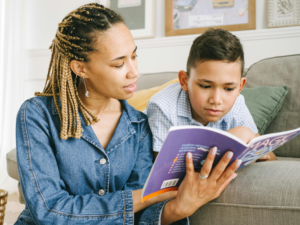
Parental love plays a central role in children’s long-term development and life outcomes.
The bond between parents and children lays the groundwork for emotional health, social skills, and academic success—all of which are important factors in improving social mobility for kids.
Parental love is more than just affection—it’s a powerful force that can shape a child’s life in profound ways. Far beyond the hugs and bedtime stories, the bond between a parent and child lays the groundwork for emotional security, social skills, academic achievements, and even lifelong decision-making. Think of it as building a foundation for the future. Parents who provide consistent love and support create an environment where children feel safe to grow, learn, and thrive. These positive relationships don’t just affect childhood—they set the stage for success and resilience well into adulthood.
Parental love enables children to be at their best emotionally, socially, and academically
But why is this connection so vital? And what does science say about the benefits of parental love? From boosting emotional health to improving academic success, the rewards are more surprising and far-reaching than you might think.
1. Emotional well-being and mental health
A child who feels loved and supported grows up with a strong sense of security and self-worth. This emotional foundation helps children manage stress and develop resilience during difficult times. Research shows that children with strong relationships with their parents are better adjusted emotionally and face fewer mental health challenges, such as anxiety and depression.
2. Behavioral regulation
Parental love plays a crucial role in teaching kids how to interact with the world. Through daily interactions, children learn emotional regulation, problem-solving, and conflict resolution skills. These lessons form the building blocks of self-control and appropriate social behavior, helping children grow into responsible adults.
3. Academic success
Children with engaged parents tend to do better in school. By being involved in their children’s education—whether it’s attending parent-teacher conferences, helping with homework, or simply being a source of encouragement—parents can spark a love of learning. The result? Higher grades, better school attendance, and a more motivated, confident student.
4. Prevention of risky behaviors
Strong parent-child relationships act as protective measures against risky behaviors, including substance abuse, delinquency, and teen pregnancy. When children feel connected to their parents, they’re more likely to seek parental guidance when facing tough decisions, reducing the likelihood of engaging in harmful activities.
Through GCO’s Raising Highly Capable Kids Program, communities can offer parents a safe, supportive place to learn how to nurture loving bonds at home.
Empowering parents to strengthen loving relationships is one of the best priorities a community can have
At the Georgia Center for Opportunity (GCO), we understand the critical role parents play in raising capable, confident kids. Our Raising Highly Capable Kids (RHCK) program focuses on empowering parents by teaching them the 40 Developmental Assets—a research-driven framework that fosters emotional and social growth in children. These assets cover essential aspects like support, empowerment, and positive identity, serving as the foundation for raising resilient kids.
RHCK has benefited parents like Brittany Moore, who found the workshop life-changing. The program provided her with practical tools, a renewed sense of purpose, and the confidence to handle conflicts.
“Parenting is one of the hardest yet most rewarding jobs, and there’s no shame in seeking support,” Brittany shared. She emphasizes that RHCK is more than just a workshop—it’s a welcoming community of people who understand the ups and downs of raising children. “You’ll walk away with valuable lessons, practical tools, and a renewed sense of confidence,” she said.
Through RHCK, parents receive tools and strategies to build loving, stable homes. Here’s how it works:
Workshops and classes: Parents participate in structured sessions that offer guidance on fostering healthy relationships and teaching critical life skills.
Hands-on support: Expert facilitators provide personalized support, helping parents identify areas of growth and build stronger connections with their children.
Community-building: RHCK creates a supportive community where parents can collaborate, share experiences, and learn from one another.
Interested in getting involved with RHCK?
If you’re ready to grow stronger as a parent and learn how intentional, loving relationships can lead to transformational change in your family, we welcome you to join the RHCK program where you’ll find a safe, supportive environment to access the tools, strategies, and community needed to confidently tackle the ups and downs of parenting.
Workshops in Gwinnett
Sign up to be notified of upcoming workshops in Gwinnett.
Workshops in additional communities
Get on the list for notifications of workshops in other communities.
Key Points
In 2025, Georgia and many other states have opportunities to address barriers to economic and social mobility.
Key areas include reforming the safety net to encourage work, expanding education opportunity, and adopting policies that lead to safer communities.
These efforts emphasize empowering families, incentivizing work, and fostering safer neighborhoods, demonstrating the crucial role of community-driven solutions in breaking cycles of poverty.
Crime, social and family instability, lack of quality education, and disengagement from work have all contributed to the sense that better futures are slipping out of reach for everyday Americans.
As these challenges persist, leaders and communities are taking notice of how typical government interventions fall short of meeting communities’ long-term needs.
Georgia and many other states have incredible opportunities in 2025 to pursue better solutions that tear down social and economic barriers. Looking to the year ahead, here are a few key opportunities for supporting vibrant communities and flourishing lives in Georgia and beyond.
Elected leaders are looking more closely at barriers to work in the welfare system
With the incoming presidential administration, there’s renewed interest in improving government efficiency. GCO has recommended that addressing the barriers to work in our safety net would be one of the best places to start.
Congress began considering major safety net reforms in 2024 but ran out of time to pass any meaningful policy changes before the end of the year. In 2025, incoming officials have a fresh opportunity to pursue One Door reforms that would allow states to streamline their safety net and work programs. With these reforms, states could reduce systemic barriers that discourage individuals from growing careers and families.
GCO and several of our partner organizations are continuing to educate federal lawmakers on how work-focused reforms can support social and economic mobility for safety net recipients.
But states don’t have to wait solely on federal action to start improving their welfare programs. In 2025, GCO is working alongside several states to help them pursue safety net audits. This process is a first step to identifying inefficiencies and incentives that discourage people from work. It also helps states see where recipients face benefits cliffs—the sudden and often unexpected loss of assistance that occurs with slight increases in wages and leaves recipients financially worse off despite earning more.
In Louisiana, for example, the collaborative efforts of GCO and our partners have guided the state government in identifying ways to enhance their social safety net system. Similarly, our initiatives have inspired lawmakers in Arkansas to push for legislation aimed at evaluating and strengthening the state’s workforce and social services infrastructure.
SCALE THIS CONTENT To properly fit into the middle of this box but adjusting the spacing in DIVI.
Insert the same content here to work on mobile and tablet.
BETTER WORK is empowering community-based pathways to employment
While we work to remove policy barriers to employment, our BETTER WORK program is harnessing the power of community to help Georgians connect to immediate job opportunities in their own neighborhoods.
The program’s success in Gwinnett and Columbus counties has shown how employment not only provides income but also restores dignity and purpose. BETTER WORK is set to grow in Gwinnett and Columbus in 2025, and we have begun to collaborate with partners in additional communities that want to use our BETTER WORK model to build their own local efforts to support economic and social mobility.
“Everyone wants to feel that their life matters to someone, that there’s a reason for their existence beyond just getting through each day. Work provides that sense of purpose. It offers us an opportunity to contribute to something bigger than ourselves, connecting us with others who share our values and goals. Through our work, we become part of a collective effort, united in a common purpose.”
— Kristin Barker, Vice President of Workforce Solutions at GCO
Families are getting a new education option with the Promise Scholarship
The Promise Scholarship Program is launching this year, offering families in underperforming school districts the chance to access quality education. Families can use $6,500 scholarships to pursue alternative education options, unlocking opportunities for thousands of Georgia children.
Gov. Brian Kemp’s new budget includes full funding for the program. Once appropriated by the Georgia General Assembly, this funding could help an estimated 22,000 kids who meet the eligibility criteria.
“Adding Promise Scholarships to the menu of Georgia’s schooling options is a positive step toward an education system that honors every child’s unique situation and prevents a lack of quality education from limiting children’s futures. We look forward to working with the Governor and Legislature to see the program fully funded and implemented.”
— Buzz Brockway, Vice President of Policy for GCO
Legislative sessions hold opportunities for policymakers to strengthen public safety
Public safety is the first step to stability and prosperity in our communities. In the 2024 election, voters made it clear that they want elected leaders to take public safety seriously.
The 2025 legislative sessions offer elected officials the opportunity to focus on ensuring police departments are properly funded, sentences for violent offenders are sufficiently severe, and programming in prisons focuses on helping offenders become productive members of society upon release.
GCO is working with Georgia lawmakers to advance a crime reduction package based on our recommendations for restoring community safety in Atlanta. Our public safety expertise is also aiding leaders in Kentucky as they consider a bill to improve data reporting and reduce recidivism in their criminal justice system.
“In the 2024 election cycle, voters once again affirmed they want safe communities, less crime, and criminals held accountable. Though rates of certain violent crimes have fallen in recent years, it’s important to think about this decline as a response to positive policy change. Policymakers cannot take their eye off the ball now.”
— Josh Crawford, Director of Criminal Justice Initiatives
Communities are getting support to empower strong families
Empowering parents is at the core of our mission. The Raising Highly Capable Kids (RHCK) program equips parents with tools to nurture strong family connections, fostering children’s academic and personal success.
With expansion plans for 2025, we’re excited to bring this life-changing program to even more parents across Georgia, ensuring future generations thrive in stable and supportive environments.
“Empowering parents strengthens the bond between parent and child,” noted Joyce Mayberry, GCO’s Vice President of Family. “When parents feel confident and equipped, they can create a stable and nurturing home environment. This type of environment not only supports children’s well-being but also fosters academic success. Together, these efforts can transform the trajectory of a family’s future. Strong parenting within the home radiates outward, positively impacting neighborhoods, schools, and ultimately building stronger, more resilient communities.”
“When parents feel confident and equipped, they can create a stable and nurturing home environment. This type of environment not only supports children’s well-being but also fosters academic success. Strong parenting within the home radiates outward, positively impacting neighborhoods, schools, and ultimately building stronger, more resilient communities.”
— Joyce Mayberry, Vice President of Family
Key Points
Georgia has seen a decline in marriage rates, mirroring a national trend. Only 30% of Georgians have been married at least once, and U.S. marriage rates have fallen by nearly 60% over the past 50 years.
Despite these trends, marriage remains a significant predictor of adult well-being, more so than education, race, age or gender. Married individuals often report higher happiness and satisfaction levels, and benefits include emotional stability, financial security, and social support.
We must address economic, education, and social safety-net barriers to marriage while creating a supporting environment that fosters marriage and family formation.
Recent reports,including a piece from Axios, have highlighted a concerning trend in Georgia—declining marriage rates.
According to data from theAmerican Community Survey, only 30% of Georgians have been married at least once in their lives. This is indicative of a larger national trend: The marriage rate across the U.S.has fallen by nearly 60% over the past 50 years.
While societal pressures to marry have lessened and many young people doubt the benefits of marriage, this decline raises important questions about the impact on individual well-being and societal mobility.
Marriage rates in Georgia are a leading factor in quality of life
Helping people form healthy, committed relationships is a key pillar of the Georgia Center for Opportunity’s mission to help all Georgians flourish. Relationships are essential to well-being in general, but marriage has a particular impact on the quality of life and upward mobility for men, women, and children.
Quality of life
Marital status is one of the strongest predictors of adult well-being, surpassing other factors like education, race, age, and gender.According to the Institute for Family Studies and Gallup, married individuals often report higher levels of happiness and satisfaction compared to their unmarried peers. This isn’t just about companionship—marriage can provide emotional stability, financial security, and social support, all of which contribute to a better quality of life.
Upward mobility
Marriage also plays a critical role in economic mobility. Couples often benefit from dual incomes, shared resources, and consolidated expenses, making it easier to save and invest in the future. This financial stability can lead to better opportunities in terms of education, homeownership, and overall wealth accumulation. Essentially, marriage can act as a catalyst for achieving a higher economic status and breaking free from cycles of poverty.
Benefits for children
Children raised in two-parent, married families often experience greater stability and economic advantages, contributing significantly to their overall well-being. Additional research from the Institute for Family Studies shows that children who live in households with married parents experience more financially secure environments, less conflict, and more parental support.
According to polling from Gallup, married people report higher levels of happiness and life satisfaction. This is another indicator of how essential relationships are for personal well-being and quality of life.
Certain barriers in Georgia make marriage and its benefits hard to pursue
Despite marriage’s benefits, Georgia has several barriers that discourage marriage as a path to fulfilling relationships and flourishing lives. Educational challenges and a social safety net that frequently discourages marriage are a couple of significant roadblocks that can make it harder for people to pursue marriage.
Educational challenges
Educational attainment is another significant barrier. Those with higher levels of education are more likely to marry, but educational opportunities are not evenly distributed across the state. Addressing these disparities could encourage higher marriage rates and, consequently, greater upward mobility.
A social safety net that punishes marriage
Another significant barrier to marriage in Georgia isthe “marriage penalty” embedded within many social safety net programs. The term refers to the phenomenon where low-income individuals or couples may actually lose financial benefits by getting married.
Programs such as Medicaid, housing assistance, and food stamps often have income thresholds that discourage marriage. When two low-income individuals marry, their combined income might exceed these thresholds, leading to a reduction or complete loss of benefits—creating a “benefits cliff.”
This financial disincentive can make marriage less appealing for low-income individuals who rely on these crucial programs to make ends meet. By losing access to necessary support, the economic stability that marriage can potentially offer is compromised, perpetuating a cycle where the cons outweigh the pros.
Addressing these safety-net barriers is essential for fostering an environment where marriage can thrive and contribute positively to individual and societal well-being.
The way forward
While the decline in marriage rates in Georgia is a complex issue influenced by various societal and economic factors, it’s essential to recognize the underlying benefits of marriage. Beyond the romantic ideals, marriage plays a pivotal role in enhancing quality of life and facilitating upward mobility.
To counteract the downward trend, it’s necessary to address the barriers that discourage marriage and create a more supportive environment for couples.
Key Points
GCO’s BETTER WORK program partners with Jobs for Life to offer community-based job-training classes that help people build the skills, mindset, and confidence to pursue long-term, stable employment.
BETTER WORK and Jobs for Life are a powerful pair because both programs believe that every person has an inherent dignity and value. Together, these programs focus on helping people realize their worth, build purpose-filled lives, and find support and community.
The impact of this partnership shines in the success stories of participants like Quendasia and Tiarra, who found a renewed sense of purpose and vocation through the Jobs for Life class.
Quendasia’s life was changed forever when she was seriously injured in a car crash several years ago. The accident left her with a traumatic brain injury that made returning to work a challenge. She spent five years struggling with unemployment before hearing about the Georgia Center for Opportunity (GCO)BETTER WORK program—and its partnership with Jobs for Life.
Like many job-seekers, Quendasia discovered BETTER WORK in a moment of crisis or urgent need. And because GCO prioritizes building a network of community resources and employer partners, we were able to help her find support for her immediate needs.
But part of what makes BETTER WORK unique—and effective—is that we help people move from crisis into developing connections and a fresh mindset to pursue long-term, stable work. This is where BETTER WORK andJobs for Life (JFL) came alongside Quendasia to help her envision and pursue a professional path that was so much more than just a paycheck.
This gets to the heartbeat of GCO—to remove barriers to opportunity and foster thriving communities in which everyone can achieve their fullest potential. Work is a key piece of the puzzle—not only because it unlocks economic mobility, but also because it empowers people to find fulfillment in a sense of personal and collective purpose, structured routines, and relationships that lead to belonging and support.
Together, BETTER WORK and Jobs for Life empower people to see that they have a valuable place in their communities and can make unique contributions through work.
Back in 2022, we recognized that the focus of our BETTER WORK initiative strongly aligned with the vision and values of Jobs for Life, a network of job-training groups available through churches and nonprofit organizations that break down barriers to work. Originally launched in 1996 in Raleigh, North Carolina, JFL is now available in more than 300 cities nationwide.
This shared vision led to a collaboration with the power to transform the lives of individuals, families, and whole communities.
In Columbus, which is home to one of our BETTER WORK chapters, we partner with Jobs for Life to offer an 11-week course that pairs participants with a one-on-one mentor. JFL’s curriculum has the benefit of incorporating essential skill training and behavioral development into its model. Each class provides two hours of instruction in soft skills, discussions on the importance of work in daily life, and exercises in character development.
Back to Quendasia’s story.
Prior to coming to Jobs for Life, she had a GED and she was planning to go to college. Through JFL, she honed practical and essential work skills—like how to interact with others and show up on time. These details seem small, but they are often the tools people need most to capably and confidently pursue meaningful work and realize their inherent personal value.
“Jobs for Life got my mind back on track for working. I met different people and learned different skills,” Quendasia shared. “Before Jobs for Life, I didn’t feel confident enough to get a job. I didn’t really believe in myself. But now I know I can do it.”
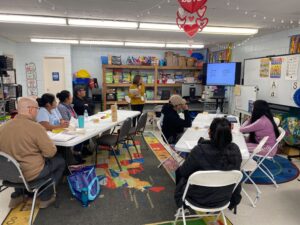
BETTER WORK’s Jobs for Life class in Columbus, GA, introduces participants to community resources and champions that offer support on their journeys to pursuing long-term, meaningful work.
The discovery of personal potential and worth is at the heart of BETTER WORK and Jobs for Life. Both programs share the core belief that everyone has an inherent, God-given dignity worthy of recognition and respect. Through their shared focus on relational support, human connections, and community, BETTER WORK and Jobs for Life empower people to see that they have a valuable place in their communities and can make unique contributions through work.
Today, Quendasia works at Piedmont Healthcare—an opportunity she never would have had without the support and networking she found through JFL.
The BETTER WORK partnership with Jobs for Life allows GCO to leverage our existing network of employers, community leaders, and resource providers to make JFL classes even more successful for the local churches and organizations that choose to host and sponsor the training in a BETTER WORK community.
Take one more example. Recently, Tiarra connected with BETTER WORK through our partnership with the Jobs for Life program. She was looking for new opportunities at a job fair after losing her job.
“The class pushed me even further,” Tiarra said. “I wouldn’t have ever found my mentor or the job I’m in right now. I love all the teachers. Every lesson was a blessing,”
Today, Tiarra is at Troy University online school working toward a bachelor’s degree in social work. “I used to live in fear, and now I embrace challenges and try to work through them instead of shying away from them,” she added.
Across the nation, the need for programs like BETTER WORK and Jobs for Life is significant:According to the U.S. Bureau of Labor Statistics, as of February 2024, nearly 6.5 million Americans were unemployed, 22 million were underemployed, and 80% of workers were disengaged.
These numbers can seem overwhelming and even impossible to change. But that only becomes true when we forget that the biggest differences start close to home.
When it comes to empowering vibrant communities and upward mobility, the most important place to start is at the community level. That’s what BETTER WORK and Jobs for Life are built for. Quendasia and Tiarra’s stories are testimonies to the good that can come when mission-aligned programs like BETTER WORK and Jobs for Life work together to build hope and opportunities in the places where people need them most—in the communities where everyday lives are lived.
Key Points
The decline in two-parent households is a major driver of income inequality and decreased social mobility in the United States.
Two-parent households provide a significant “privilege” for children, leading to better educational and economic outcomes, lower rates of incarceration, and improved chances of achieving the American Dream.
To alleviate poverty and strengthen two-parent households, policy proposals and grassroots cultural changes are needed, along with addressing the importance of fathers in society and promoting stable marriages and families without stigmatizing single parents.
Addressing Income Inequality
Income inequality is on the rise. Social mobility is on the decline. Politicians focus a lot of firepower on these two realities, but they too often ignore a major driver of these trends—one that might surprise you. That’s the drop in the percentage of stable, two-parent households.
At the Georgia Center for Opportunity, our goal is to reduce poverty and encourage human flourishing. Healthy families are a key part of that. What often gets shunted to the side in this discussion, however, is how much family composition matters.
Family Matters
Bravely entering into this political fray is Brookings Institution economist Melissa Kearney with her new book,The Two-Parent Privilege: How Americans Stopped Getting Married and Started Falling Behind. Coming from a centrist (if not center-left) worldview, Kearney provides a refreshing and clear-eyed assessment of the powerful role that marriage plays in reducing poverty and bolstering economic well-being for children, adults and the nation as a whole.
Kearney even frames her book title in terms progressives better understand by using the term “privilege”—precisely what two-parent households afford children across a spectrum of metrics ranging from educational outcomes to behavioral tendencies, rates of incarceration and the likelihood of achieving the American Dream.
Here, Kearney asserts, “The decline in the share of US children living in a two-parent family over the past 40 years has not been good—for children, for families, or for the United States.”
Going further, she says, “Based on the overwhelming evidence at hand, I can say with the utmost confidence that the decline in marriage and the corresponding rise in the share of children being raised in one-parent homes has contributed to the economic insecurity of American families, has widened the gap in opportunities and outcomes for children from different backgrounds, and today poses economic and social challenges that we cannot afford to ignore—but may not be able to reverse.”
Of course, nobody seeks to stigmatize or deny the heroic efforts that loving and dedicated single parents sacrificially pour out to raise their children in difficult circumstances. Indeed, Kearney argues for strengthening the safety net for all families—regardless of structure.
But as she shows, the data can’t be so easily dismissed by those who resist policy discussions involving family formation distinctions.
The data backs it all up
Consider: 2019 US Census statistics reveal that families headed by a single mother were five times more likely to live in poverty than families headed by a married couple, while families headed by a single father were nearly twice as likely to live in poverty.
Further, research shows that40% of Millennials who grew up in two-parent homes graduated from college by their mid-20s, compared to 17% for Millennials from non-intact homes. Moreover, 77% of Millennials who grew up with the two-parent privilege attained a middle-class or higher lifestyle by their mid-30s, compared to 57% from non-intact families.
And then there are many studies from Utah, where—more than any other state—marriage and two-parent households are encouraged. Indeed,Utah ranks at the top of economic performance—including GDP growth, favorable business climate, work environment and high rates of economic mobility. And Utahns experience lower child poverty and criminality rates, while enjoying enviable levels of emotional and physical wellbeing, healthy behaviors, life evaluation, student educational performance, and median family income.
Taken together, these data suggest that stable, intact, two-parent marriages lay the foundation for strong families, which in turn create thriving communities of men, women and children.
To alleviate poverty by strengthening two-parent households, Kearney suggests several policy proposals:
Work to restore and foster a norm of two-parent homes for children
Work to improve the economic position of men without a college level of education so they are more reliable marriage partners and fathers
Scale up government and community programs that show promise in strengthening families and improving outcomes for parents and children from disadvantaged backgrounds
Have a stronger safety net for families, regardless of family structure
Stronger Families Create Thriving Communities
Our vision is one where everyone has the support that comes from healthy thriving relationships and family.
Stronger Families Create Thriving Communities
Our vision is one where everyone has the support that comes from healthy thriving relationships and family.
The Policy Prescription
In offering these policy prescriptions, however, she adds that economics and government intervention can only do so much. There must also be grassroots, cultural change at the neighborhood and community levels. That’s why marriage enrichment and parenting classes likeRaising Highly Capable Kids are crucial to reducing poverty.
Commendably, Kearney addresses a related—and also politically sensitive—topic: The important role that fathers play in society. She writes, “The absence of a father from a child’s home appears to have direct effects on children’s outcomes—and not only because of the loss of parental income. Nonfinancial engagement by a father has been found to have beneficial effects on children’s outcomes.”
Indeed, a father’s presence in the home is particularly important for boys. As Kearney notes, “Boys and young men are faring worse than girls and young women on a host of behavioral, educational, and economic dimensions. This gender gap in outcomes has been linked to the heightened disadvantage boys face when growing up without a father figure in their home.”
Of course, this creates a vicious cycle: Boys growing up without their fathers have a higher likelihood of themselves falling into traps of poverty: “The more boys struggle and fall behind, the less prepared they will be as adults to be reliable economic providers as husbands and dads,” Kearney writes.
Here, she points to our country’s crisis of masculinity and how declining labor force participation rates by prime-age men contribute to the marriage problem. Recent cultural shifts have “stripped many men of their traditional role as breadwinner for the family and, in simple terms, made them less desirable marriage partners,” she writes.
Clearly, the challenge is how to promote stable marriages and families when males increasingly remain in perpetual adolescence and fail to assume adult responsibilities that lead to success in work, marriage, and family.
Where do we go from here?
So how can we build more two-parent homes? Certainly investing more invocational education andapprenticeships for men will help—as will implementingcriminal justice reform and addressing the pandemic of untreated mental illness and opioid addiction among men.
Beyond these, we shouldexpand school choice so that impoverished children stuck in failing public school districts have an opportunity to achieve a good education. And we need to eliminatemarriage penalties in programs like Medicaid and public housing that punish marriage and encourage single-parenthood.
But perhaps most of all we need to have a frank national discussion about the importance of two-parent families “without coming across as shaming or blaming single mothers,” as Kearney writes. “By being honest about the benefits that a two-parent family home confers to children, we can break the pattern in which social agnosticism treats all households as the same in terms of the benefits they deliver children.”
Key Points
Crime is causing businesses to flee communities already experiencing a lack of opportunity.
As businesses flee high-crime areas, there is a negative impact on the price and availability of goods in underserved communities
Communities will see healthcare and community health impacts from this loss of retailers.
We keep hearing about it: Businesses and retailers fleeing downtown areas—or entire city communities—due to violence, theft, and crime. It happened in Portland, Chicago, Los Angeles, and San Francisco, but it should be a warning to other cities around the country.
The exodus of companies due to crime creates a downward spiral for communities already experiencing a lack of opportunity.
LIMITED ACCESS AND HIGHER PRICES
When businesses flee a community they take convenience, jobs, and access to goods. The result is a market crisis where demand stays steady while limited access increases the price of goods and incomes stagnate or decrease.
The inability to access goods at reasonable prices is a direct response to the loss of competition. No longer are you able to buy essentials at market value but instead you pay premium prices as supply is constrained. This is no different than what we experienced nationally over the past few years as supply constraints pushed the price of gas, milk, and other essentials higher.
This limitation of access to transportation, clothing, and food will have consequences in other areas of community health and opportunity.
THE IMPACT ON HEALTHY FOOD OPTIONS
Take the limited access to food issue. We know that lack of healthy food options in underserved communities is an ongoing problem. Cheaper food options, which are “shelf-stable,” tend to be less healthy. This creates a downward trend of poorer health outcomes like obesity resulting in a rise in healthcare costs. Communities with a lack of affordable healthy food options get stuck in a cycle where they are less healthy, less likely to work, and more dependent on temporary, less-reliable healthcare. When we see stores closing or moving out of a community due to violence, we see smaller businesses that cannot afford to absorb the costs of throwing out healthier foods. The result is that these businesses tend to stock less perishable and more unhealthy items on their shelves.
This means that these communities become more dependent on systems and services to survive long term. Our safety-net programs are designed to be temporary systems that catch people (or even communities) at the point of tragedy to help them get back on their feet. But when opportunity flees, these individuals are left hopeless, looking for what’s next. They become trapped in their circumstance.
“…communities become more dependent on systems and services to survive long term.”
CRIME IS THE TRUE THIEF
Crime and the unwillingness to address crime robs communities of value. It makes these communities into societal pariahs.
Not only are these communities unable to access adequate goods, they are unable to find local jobs and services. When companies flee an area, they take hundreds of entry to mid-level jobs. In a community that is reliant on these types of job opportunities, it once again means they have no path out of their current situation.
In his study of ethics, Immanuel Kant asserted that “if you steal from him, you steal from yourself.” It’s a philosophical acknowledgment that crime steals from the entire community. It takes livelihood, property, and security away from everyone in the community including the perpetrator because it destabilizes.
While it’s hard for some to have sympathy for a mega-corporation needing to close a store, it is a warning sign to the health of that community. Vibrant communities, which we often speak of here at the Georgia Center for Opportunity, are ones that attract opportunities. They are communities so lively that everyone, even mega-corporations, wants to be a part of them. As we begin to see these companies leave a community it catches headlines, but the real-world impact is much more than a temporary blip in our newsfeed.
We must address crime in communities to keep opportunity open to all.
We must…launch a movement that encourages young people of all races to adopt a new cultural norm concerning education, entrepreneurship, hard work, faith, responsible parenthood, and the timing of strong family formation.
Ian Rowe, Agency
That’s a quote from Ian Rowe’s book, Agency, and the reason we asked him to join us for Breakthrough last month.
Breakthrough’s purpose was to allow us time together for a powerful discussion about family, community, young people, and relationships.
We know the Success Sequence works, but how do we get this important information to younger generations so they can take advantage of this important “Pathway to Power” and understand that they have Agency in their lives?
This means our bonds as a community are more important than ever. If we work as a team we can impact the lives of so many for good. We’ve put together a couple of videos from our event which will allow you to hear the wisdom shared by our speakers, like Ian Rowe, “who says that we have to teach young people that they have the power to make good choices in life and that they are not victims.” We hope you’ll take a moment to watch and listen, along with take action to make change happen.
If you’d like to get more involved there are some ways you can make a big impact.
1. Take some time to learn how to have the healthiest relationships possible by signing up for classes offered by our team at GCO.
2.Talk to your children and other young people about the power of graduating high school, working hard, and marriage in helping them achieve their dreams. The Success Sequence IS the Pathway to Power.
3. Teach young people they are not victims and have control over the most important aspects of their lives. Ian Rowe’s four-point plan (F.R.E.E.) is a critical way to show young people that they have Agency.
Key Points
All young people — not just those who come from rich families — deserve to know this “secret to success”: get an education, work hard, get married, and then have children.
No matter the challenges young people face, there is a path to build a bright future — through the Success Sequence.
Institute for Family Studies has shared 3 powerful videos that show the face and opportunity brought by the Success Sequence.
The Success Sequence and its impact
“The choice of having children too early is one you’ll have to play catch up with for the rest of your life.”
“I wish that I had made some different decisions when I was young. Think before you act. Definitely be intentional about the decisions you’re making at that age, because they do have a lasting effect on your life.”
“Having to get food donated to us was the bottom of my life.”
The basic premise of this campaign is simple: All young people — not just those who come from rich families — deserve to know this “secret to success”: get an education, work hard, get married, and then have children.
As you know, the Success Sequence is a powerful and proven way for even the most disadvantaged men and women to avoid poverty and to have a shot at the stable, happy family life they really want.
The Success Sequence: His Story
Part One: Men
The numbers prove it all
Statistics show that 97% of young people who follow these steps are not poor later in life, and fully 85% of them enter the middle class.
Can it really be that simple? That’s what’s so great about the Success Sequence: The answer is simple, but the key is to get the information to young people at the right time.
No matter the challenges young people face, there is a path to build a bright future — through the Success Sequence.
It’s organizations like the Georgia Center for Opportunity that are bringing the truth of the Success Sequence to young people every day. Whether it’s GCO’s work to expand educational options for all students, bring career opportunities to the impoverished, or bringing relationship enrichment classes to local communities, we are on the front lines. The Institute for Family Studies recognizes this.
The Success Sequence: Her Story
Part Two: Women
“The Success Sequence is only effective as a concept if it’s shared in practical ways with young people,” said Brad Wilcox, senior fellow at the Institute for Family Studies. “On-the-ground organizations like the Georgia Center for Opportunity play a key role in this. Our young people deserve to know about their potential to take hold of the American Dream.”
Please share these important videos on social media, with your friends and family, and with young people in your life who need to hear this important message. We need to spread the word on the Success Sequence so that other young people don’t face the same struggles in life faced by Scott, Stephanie, and Caylie and Carlos.