
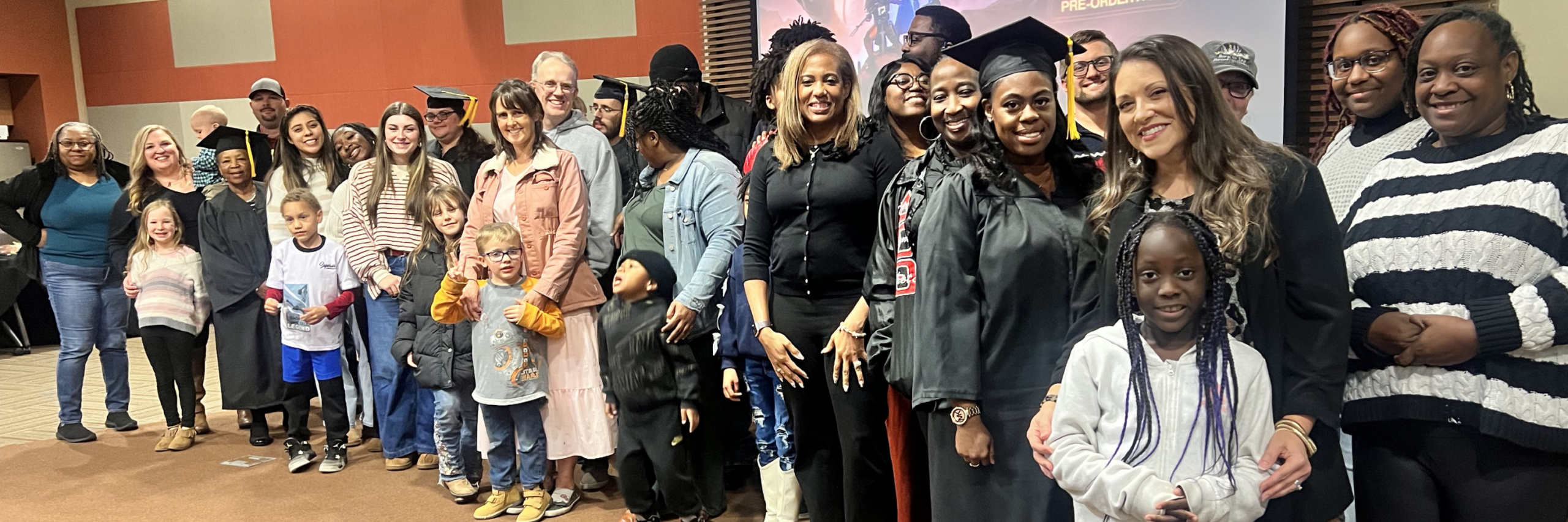
Raising Highly Capable Kids Program Increases Positive Values and Social Skills in Children
Key Points
- Data from the 2025 annual report for the Georgia Center for Opportunity’s Raising Highly Capable Kids program shows how much the workshops are changing Georgia families for the better.
- Almost every participant said they’d learned new parenting skills, and all participants shared that they’d found ways to promote the qualities and skills that are essential for their children’s growth and flourishing.
- In particular, parents learned that helping their children develop positive values and social competencies empowers them to build confidence, form supportive communities, and open their hearts to others.
The 2025 annual report for the Georgia Center for Opportunity’s (GCO) Raising Highly Capable Kids (RHCK) program confirms the big impact the workshops are having on children, families, and communities across Georgia. GCO collaborated with the Department of Human Development and Family Science at the University of Georgia to prepare the report. It offers strong data for measuring and understanding the outcomes for both parents and children.
RHCK is a workshop offered by GCO in partnership with local organizations. It’s designed to give families the tools, confidence, and support to raise healthy, responsible, caring kids.
During GCO’s RHCK sessions, participants learn about the 40 Developmental Assets, which were identified by the Search Institute. The assets are the essential qualities and experiences that enable kids to become well-rounded, resilient adults.
GCO and its partners offered 15 RHCK workshops at 12 locations in 2025. Participants took pre- and post-workshop surveys that illustrated the ways families had grown stronger throughout the program. Almost everyone who took the post-workshop survey (99%) said they’d learned new parenting skills, and all the participants shared that they’d found ways to encourage the development of the assets in their children.
When parents answered open-ended questions about their experiences with RHCK, they drove home some of the lessons they’d learned:
“Better appreciation for how parenting affects overall outcome, not just of individual children but the family and community as a whole.”
“Everything in life revolves around morality, and this is so important in feeling that you matter and have purpose.”
“Fostering empathy and friendship skills are super important for a child to thrive in the world today.”
These quotes reflect workshop discussions related to two Developmental Asset categories in particular: Positive Values and Social Competencies. Parents saw some of the biggest transformations in their kids in these areas.
The assets in the Positive Values and Social Competencies categories empower children to build the confidence to engage with others in meaningful ways. By increasing their parenting skills in these categories, RHCK participants opened doors to opportunities for their kids to cultivate a robust, supportive community and a rewarding life for themselves as they grow up.
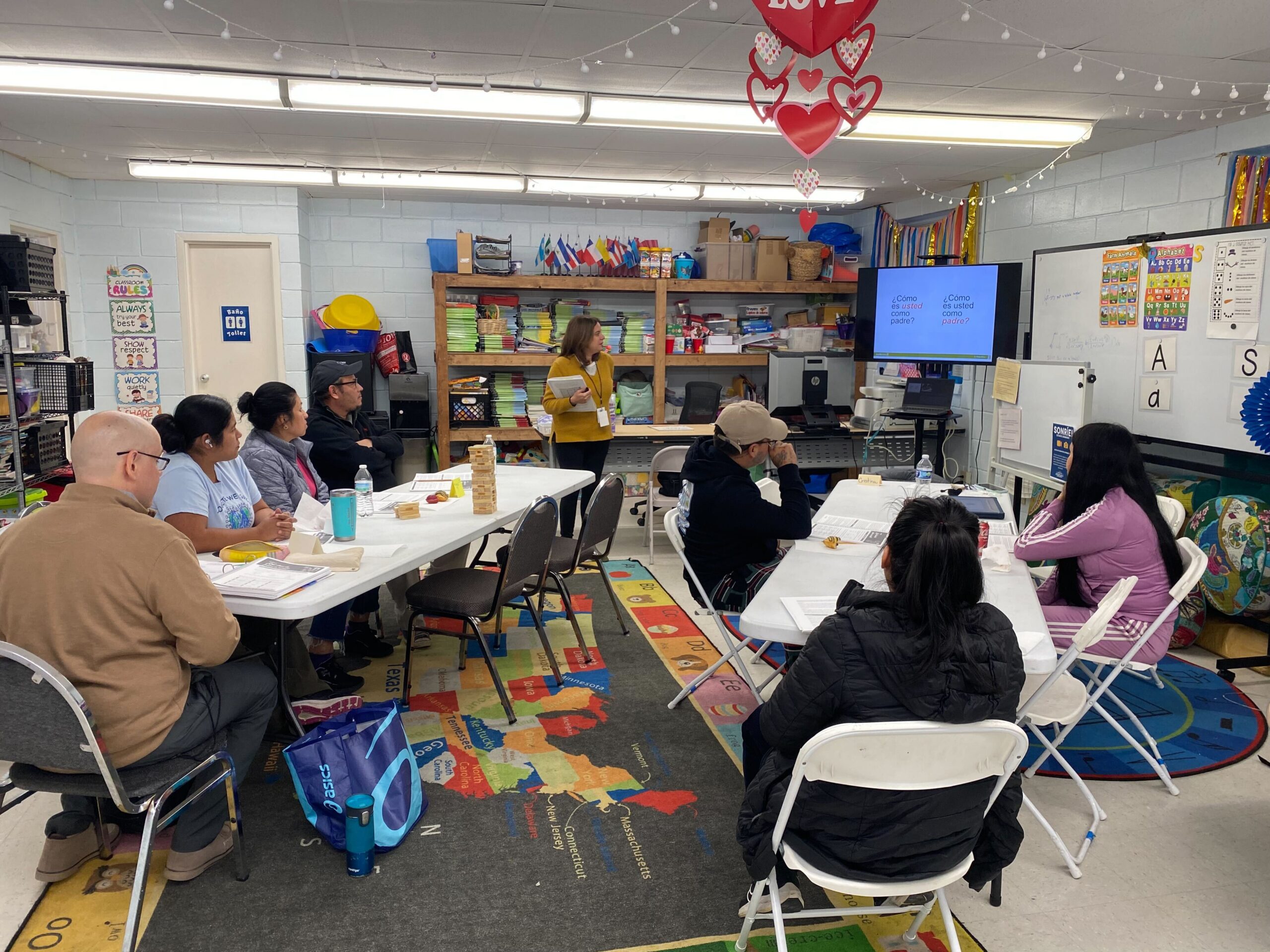
Parents in our Spring 2026 Raising Highly Capable Kids cohort gather for a session to learn how their personalities and their pasts shape their parenting journeys.
Instilling Positive Values in Children
During GCO’s RHCK workshops, participants learned the importance of making sure their kids possess the positive values that are vital for building strong character, fostering empathy and kindness, and becoming responsible citizens. Key examples of the assets in the Positive Values category include:
- Caring: Parents support their child in developing a heart for helping others.
- Equality and Social Justice: Parents teach children the importance of treating others equally and finding ways to lend a hand to those in need.
- Integrity: Parents guide children to stand up for their beliefs.
- Honesty: Parents encourage kids to always tell the truth.
- Responsibility: Parents teach children to accept responsibility for their behavior.
In the post-workshop survey responses, 96% of participants said they’d increased their knowledge and parenting skills in the Positive Values asset category to a medium or large extent. By helping their children grow in these areas, parents are equipping them to follow foundational guiding principles.
Ensuring Kids Are Socially Competent
RHCK participants also learned about the powerful role social competence can play in forming relationships. The assets in the Social Competencies category reflect children’s ability to handle social interactions effectively, even potentially negative ones. These assets include:
- Planning and Decision-Making: Parents help children plan ahead and make good choices.
- Interpersonal Competence: Parents make sure their kids care about other people’s feelings, enjoy making friends, and learn skills to manage anger.
- Cultural Competence: Parents teach children how to form relationships with people of different racial, ethnic, and cultural backgrounds and how to be comfortable with their own identity.
- Resistance Skills: Parents encourage children to resist negative peer pressure.
- Peaceful Conflict Resolution: Parents teach their kids positive ways to resolve conflicts.
In the post-workshop survey responses, 95% of participants said they’d increased their knowledge and parenting skills in the Social Competencies asset category to a medium or large extent. When parents help their children develop these assets, kids can better evaluate situations, understand people’s emotions, and behave appropriately around others.
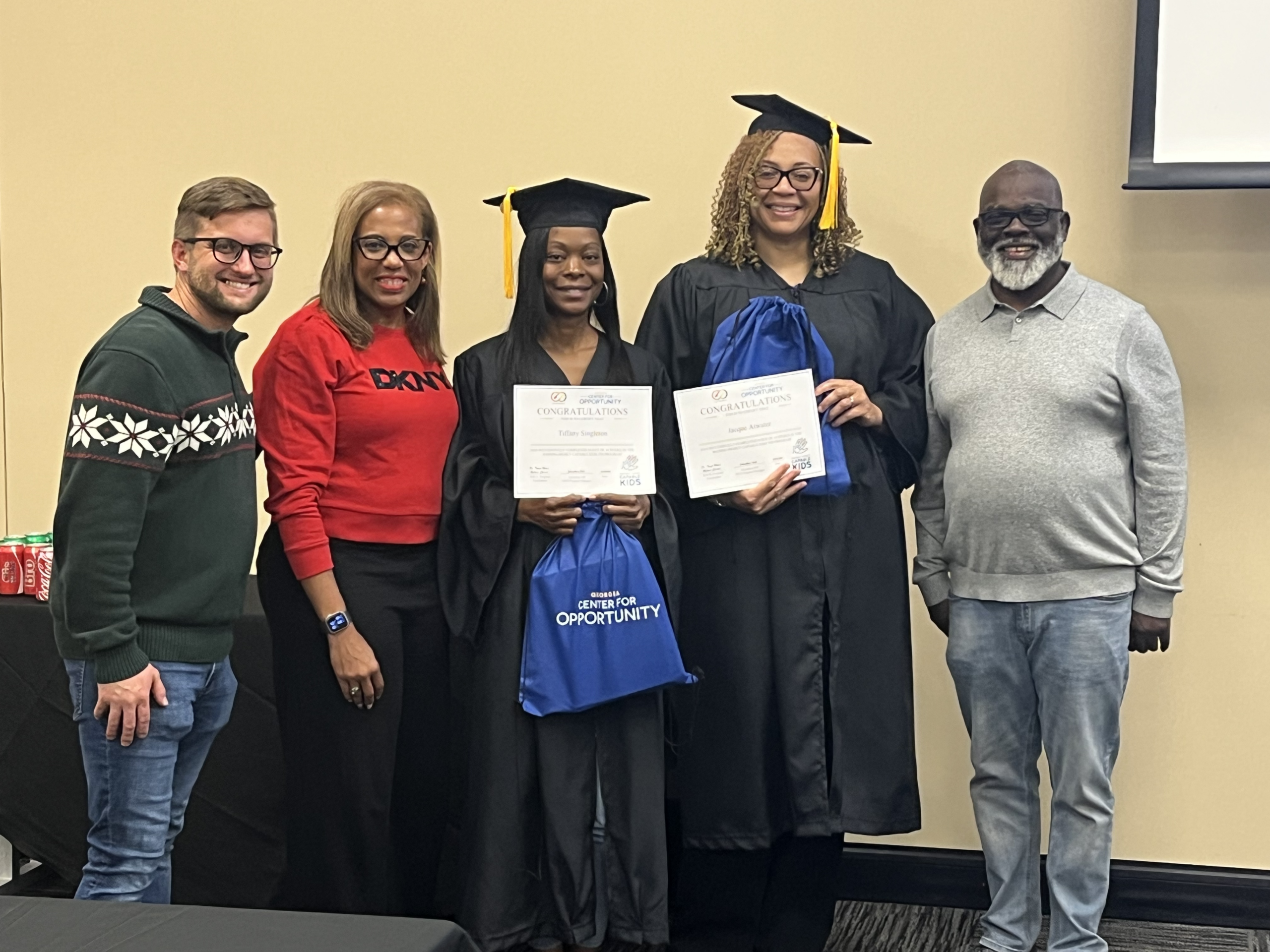
“We have a common denominator of wanting the best for our children and making sure that we are intentional about providing them every opportunity, surrounding them with great people who love and support them, who will push them, making sure not only that they excel academically, but socially in the community, and just being aware that they have what they need inside already to be successful.”
— Jackie, Houston County parent and RHCK participant
Empowering Young People to Build Community
Positive values and social competencies are closely linked. In fact, good values help set the stage for children to become socially competent. And these assets are invaluable for children’s futures.
Having a high level of social competence enables young people to succeed academically, actively engage with others, and enjoy a strong sense of self-esteem and well-being. These outcomes then increase the likelihood that children will graduate from high school, find meaningful work as adults, experience lifelong resilience, and thrive.
Above all, positive values and social competencies make it possible for kids to form supportive relationships and build vibrant communities. They’ll be well prepared to pay attention to people’s needs and to lend a helping hand to others. And through these connections, they’ll flourish—even as they pave the way for others to grow and blossom, too.
Learn More
If you’re interested in getting the tools and support to raise healthy, responsible, caring children, please visit GCO’s Raising Highly Capable Kids webpage.