The Georgia Center for Opportunity and Connect to Work GA have entered into a valuable partnership that will link job seekers with rewarding jobs in the Atlanta area.
The Georgia Center for Opportunity’s BETTER WORK program will prepare clients for work, and Connect to Work GA will then introduce them to employers.
This collaboration will help lift job seekers above the poverty line by providing opportunities for successful careers and upward mobility.

The Georgia Center for Opportunity (GCO) entered into a dynamic partnership with Connect to Work GA in October 2025. Together, the organizations will link participants in GCO’s BETTER WORK program with rewarding jobs in the Atlanta area.
Eric Cochling, GCO’s Chief Program Officer and General Counsel, shared that “GCO is thrilled to partner with Connect to Work GA because it gives our BETTER WORK clients access to the powerful business network of the Metro Atlanta Chamber and the expertise of the Connect to Work team.”
Work is a gateway to a better future, and this collaboration will create a clearer path out of poverty and toward opportunity for many job seekers across Georgia.
Connecting Georgians to work and upward mobility
GCO’s BETTER WORK program joins forces with employers and local organizations in Gwinnett County and in the city of Columbus. Through these strong partnerships, GCO connects people with training and support services that can help them find meaningful work.
Connect to Work GA was launched by the Metro Atlanta Chamber in February 2025, with support from the Arthur M. Blank Family Foundation. The Foundation focuses on increasing access to career pathways for Georgians—and particularly for young people—so they can grow and thrive.
In the spirit of the Foundation’s mission, the Chamber strives to advance economic growth around Atlanta, and Connect to Work GA contributes to that goal by bridging the gap between pre-qualified job candidates and employers who want to build their teams.
In the new relationship between GCO and Connect to Work GA, GCO’s BETTER WORK program will prepare clients for work by providing them with resume support, interview coaching, and job readiness training. Connect to Work GA will then link those individuals with employers by matching their skills with staffing needs.
GCO will be a preferred provider of job candidates from Gwinnett County, giving GCO’s BETTER WORK clients a promising opportunity to find rewarding jobs with Metro Atlanta Chamber member companies.
Collaborating to build hope and vibrant communities through work
GCO and Connect to Work GA share the goal of making sure that every Georgian has the chance to experience the sense of dignity, purpose, and potential that comes from a meaningful job and upward mobility. They also aim to help communities across the state benefit from more successful businesses and vibrant local economies.
Together, the organizations will remove barriers to work and open doors to opportunity. In doing so, they will inspire hope and turn poverty into flourishing for many more Georgians, their families, and their communities.
Because growing vibrant, resilient communities isn’t ever a solo endeavor, ReCAST coordinators connected with local organizations that could meet the needs of underserved residents where it mattered most—in Lawrenceville’s homes and neighborhoods.
ReCAST engages three dynamic partners to meet its goals. Impact46 provides essential housing services to people experiencing financial hardship. View Point Health offers mental and behavioral health assistance. And the Georgia Center for Opportunity (GCO) helps chronically unemployed or underemployed people prepare for and find rewarding work.
Eric Cochling, GCO’s Chief Program Officer and General Counsel, noted:
“We chose to participate in ReCAST because of the comprehensive approach to addressing community needs envisioned by the initiative. The focus on collaboration among local groups and on helping families develop community relationships reflects GCO’s method of supporting people in need.”
Lawrenceville recently produced a mini-documentary highlighting the third year of ReCAST’s accomplishments. It shows what’s possible when community members unite to open doors to a brighter future for local residents.
Connecting Lawrenceville job seekers with meaningful work
Employment plays a key role in healing communities after stress and trauma. In Gwinnett County, where Lawrenceville is located, GCO’s BETTER WORK program furthers ReCAST’s goals by bringing together local employers, nonprofits, and mentors to help people find fulfilling jobs close to home.
Carolina Pachon, GCO’s BETTER WORK Program Manager in Gwinnett County, explained that the program changes lives by giving people “a sense of hope, stability, and a way forward.”
As part of the BETTER WORK initiative, GCO offers a class called Jobs for Life. The class teaches valuable work skills, but it’s much more than a job training or placement course. It helps participants form the supportive community relationships that can point them in a new direction in life.
During the class, Jobs for Life students learn that meaningful work brings more than just a paycheck. It provides a sense of dignity and purpose that’s essential for human flourishing. A rewarding job also gives workers the confidence and courage to rise out of poverty and build a better future. This resiliency then spreads, revitalizing and strengthening workers’ families and communities as well.
GCO’s programs are particularly impactful in Lawrenceville, where many residents struggle with barriers to opportunity. The city’s poverty rate is 17.2%, well above Gwinnett County’s average rate of 10.5%. The higher poverty rate also correlates with data showing that about 19% of prime-age (25-54) adults in Lawrenceville aren’t currently working.
Sparking change in a young man’s life
Josiah, a young Lawrenceville resident, found Jobs for Life at a point when he most needed his local community to listen and offer support. He was having a hard time finding a sense of purpose in his life.
Carolina described Josiah as shy at first, but during the class, she saw a big transformation in his mindset. Josiah’s self-esteem soared as facilitators and fellow students created a caring community around him. At the end of the program, he gave an inspiring graduation speech emphasizing the significance of the personal connections he’d made. “I’ve come to believe that the purpose of life is to build meaningful relationships with people,” he shared.
Josiah now works in a restaurant and has a passion for cooking. He’s looking for ways to combine this enthusiasm with his desire to serve others. “I’m super excited,” he said.
Josiah offered this valuable advice to others who are struggling: “Let go of uncertainty. If you think you want to do something, do it.”
Making Lawrenceville a true hometown
Communities grow stronger when people invest in the well-being of their neighbors. ReCAST enables Lawrenceville residents to do just that through vital local initiatives.
Support for neighbors who need a hand empowers people like Josiah to take meaningful steps forward, to rise out of poverty, and to help the whole community thrive. The interconnectedness that ReCAST has set in motion makes Lawrenceville a true hometown—a place to belong—for the individuals and families who live there.
PEACHTREE CORNERS, GA—The official poverty rate fell 0.4% to 10.6% in 2024, according to the U.S. Census Bureau’s latest report on poverty. The data shows that 35.9 million Americans were living in poverty last year.
These numbers suggest trends at a high level, but they don’t reflect the biggest poverty-related issue, both for the nation and for Georgia: the concentration of poverty in specific neighborhoods. Instead of affecting only certain individuals and families, poverty is enveloping entire communities. This is leading to significant geographic and societal separations among Georgians—not only financially, but also in terms of opportunities for education, work, and family formation.
Randy Hicks, the Georgia Center for Opportunity’s President and CEO, also shared that:
“The national numbers don’t tell us much about poverty from the perspective of the person or community experiencing it. They fail to convey that poverty is much more than a material issue for those who are struggling. Research has shown that people living in neighborhoods with high concentrations of poverty lack the essential local network of supportive relationships that’s crucial for helping them thrive and rise out of poverty.”
At a glance: facts on concentrated poverty in Georgia
Georgia’s poverty rate: 13.5%—2.9% above the national average, ranking 38th.
Poverty exceeds the national rate in 133 of Georgia’s 159 counties.
Atlanta’s poverty rate: 18.1% overall; 27.2% among children.
Lawrenceville’s poverty rate: 17.2%, compared with Gwinnett County’s 10.5%.
Southern and central Georgia show especially high concentrations of poverty.
Breaking down Georgia’s poverty landscape
Georgia’s average poverty rate was 13.5% in 2023, per the U.S. Department of Health and Human Services, or 2.9% higher than the national rate.
This difference may seem slight, but it puts Georgia 38th in the country when it comes to poverty. Poverty rates in 133 of Georgia’s 159 counties also exceed the national rate.
Within counties, concentrations of poverty exist in particular cities. For example, Atlanta, the county seat of Fulton County, has a poverty rate of 18.1%. Poverty is even more concentrated among the city’s children, with 27.2% living in poverty. These numbers are significantly higher than the county’s average poverty rate of 12.6%.
Lawrenceville, in Gwinnett County, also struggles with concentrated poverty at a rate of 17.2%. The county’s average poverty rate is just 10.5%.
In many cases, poverty rates are higher than the state average in central and southern Georgia, suggesting concentrations of poverty in communities in those regions.
Impacts of increasing concentrations of poverty
In neighborhoods with higher poverty levels, residents experience many negative impacts, including limited access to quality education, healthcare, and employment opportunities. They also struggle with increased crime and inadequate housing and living conditions. These factors significantly hinder social and economic mobility and contribute to cycles of poverty that are difficult to escape.
Eric Cochling, the Georgia Center for Opportunity’s Chief Program Officer and General Counsel, noted:
“Poverty has an especially big impact at the local level. It’s a crisis of human well-being. These neighborhoods are often missing the vital community connections and social institutions that help people navigate life’s challenges. As social isolation and disengagement from work increase, people suffer from the loss of purpose and belonging that work and relationships provide.”
About the Georgia Center for Opportunity
The Georgia Center for Opportunity is a nonprofit organization that works to remove barriers to ensure that every person—no matter their race, past mistakes, or the circumstances of their birth—has access to safe communities, a quality education, fulfilling work, and a healthy family life. Learn more at foropportunity.org.
###
Georgia Center for Opportunity (GCO) is independent, non-partisan, and solutions-focused. Our team is dedicated to creating opportunities for a quality education, fulfilling work, and a healthy family life for all Georgians. To achieve our mission, we research ways to help remove barriers to opportunity in each of these pathways, promote our solutions to policymakers and the public, and help effective and innovative social enterprises deliver results in their communities.
Parental love plays a central role in children’s long-term development and life outcomes.
The bond between parents and children lays the groundwork for emotional health, social skills, and academic success—all of which are important factors in improving social mobility for kids.
Parental love is more than just affection—it’s a powerful force that can shape a child’s life in profound ways. Far beyond the hugs and bedtime stories, the bond between a parent and child lays the groundwork for emotional security, social skills, academic achievements, and even lifelong decision-making. Think of it as building a foundation for the future. Parents who provide consistent love and support create an environment where children feel safe to grow, learn, and thrive. These positive relationships don’t just affect childhood—they set the stage for success and resilience well into adulthood.
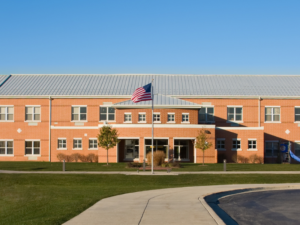
Parental love enables children to be at their best emotionally, socially, and academically
But why is this connection so vital? And what does science say about the benefits of parental love? From boosting emotional health to improving academic success, the rewards are more surprising and far-reaching than you might think.
1. Emotional well-being and mental health
A child who feels loved and supported grows up with a strong sense of security and self-worth. This emotional foundation helps children manage stress and develop resilience during difficult times. Research shows that children with strong relationships with their parents are better adjusted emotionally and face fewer mental health challenges, such as anxiety and depression.
2. Behavioral regulation
Parental love plays a crucial role in teaching kids how to interact with the world. Through daily interactions, children learn emotional regulation, problem-solving, and conflict resolution skills. These lessons form the building blocks of self-control and appropriate social behavior, helping children grow into responsible adults.
3. Academic success
Children with engaged parents tend to do better in school. By being involved in their children’s education—whether it’s attending parent-teacher conferences, helping with homework, or simply being a source of encouragement—parents can spark a love of learning. The result? Higher grades, better school attendance, and a more motivated, confident student.
4. Prevention of risky behaviors
Strong parent-child relationships act as protective measures against risky behaviors, including substance abuse, delinquency, and teen pregnancy. When children feel connected to their parents, they’re more likely to seek parental guidance when facing tough decisions, reducing the likelihood of engaging in harmful activities.
Through GCO’s Raising Highly Capable Kids Program, communities can offer parents a safe, supportive place to learn how to nurture loving bonds at home.
Empowering parents to strengthen loving relationships is one of the best priorities a community can have
At the Georgia Center for Opportunity (GCO), we understand the critical role parents play in raising capable, confident kids. Our Raising Highly Capable Kids (RHCK) program focuses on empowering parents by teaching them the 40 Developmental Assets—a research-driven framework that fosters emotional and social growth in children. These assets cover essential aspects like support, empowerment, and positive identity, serving as the foundation for raising resilient kids.
RHCK has benefited parents like Brittany Moore, who found the workshop life-changing. The program provided her with practical tools, a renewed sense of purpose, and the confidence to handle conflicts.
“Parenting is one of the hardest yet most rewarding jobs, and there’s no shame in seeking support,” Brittany shared. She emphasizes that RHCK is more than just a workshop—it’s a welcoming community of people who understand the ups and downs of raising children. “You’ll walk away with valuable lessons, practical tools, and a renewed sense of confidence,” she said.
Through RHCK, parents receive tools and strategies to build loving, stable homes. Here’s how it works:
Workshops and classes: Parents participate in structured sessions that offer guidance on fostering healthy relationships and teaching critical life skills.
Hands-on support: Expert facilitators provide personalized support, helping parents identify areas of growth and build stronger connections with their children.
Community-building: RHCK creates a supportive community where parents can collaborate, share experiences, and learn from one another.
Interested in getting involved with RHCK?
If you’re ready to grow stronger as a parent and learn how intentional, loving relationships can lead to transformational change in your family, we welcome you to join the RHCK program where you’ll find a safe, supportive environment to access the tools, strategies, and community needed to confidently tackle the ups and downs of parenting.
Workshops in Gwinnett
Sign up to be notified of upcoming workshops in Gwinnett.
Workshops in additional communities
Get on the list for notifications of workshops in other communities.
Key Points
In 2025, Georgia and many other states have opportunities to address barriers to economic and social mobility.
Key areas include reforming the safety net to encourage work, expanding education opportunity, and adopting policies that lead to safer communities.
These efforts emphasize empowering families, incentivizing work, and fostering safer neighborhoods, demonstrating the crucial role of community-driven solutions in breaking cycles of poverty.
Crime, social and family instability, lack of quality education, and disengagement from work have all contributed to the sense that better futures are slipping out of reach for everyday Americans.
As these challenges persist, leaders and communities are taking notice of how typical government interventions fall short of meeting communities’ long-term needs.
Georgia and many other states have incredible opportunities in 2025 to pursue better solutions that tear down social and economic barriers. Looking to the year ahead, here are a few key opportunities for supporting vibrant communities and flourishing lives in Georgia and beyond.
Elected leaders are looking more closely at barriers to work in the welfare system
With the incoming presidential administration, there’s renewed interest in improving government efficiency. GCO has recommended that addressing the barriers to work in our safety net would be one of the best places to start.
Congress began considering major safety net reforms in 2024 but ran out of time to pass any meaningful policy changes before the end of the year. In 2025, incoming officials have a fresh opportunity to pursue One Door reforms that would allow states to streamline their safety net and work programs. With these reforms, states could reduce systemic barriers that discourage individuals from growing careers and families.
GCO and several of our partner organizations are continuing to educate federal lawmakers on how work-focused reforms can support social and economic mobility for safety net recipients.
But states don’t have to wait solely on federal action to start improving their welfare programs. In 2025, GCO is working alongside several states to help them pursue safety net audits. This process is a first step to identifying inefficiencies and incentives that discourage people from work. It also helps states see where recipients face benefits cliffs—the sudden and often unexpected loss of assistance that occurs with slight increases in wages and leaves recipients financially worse off despite earning more.
In Louisiana, for example, the collaborative efforts of GCO and our partners have guided the state government in identifying ways to enhance their social safety net system. Similarly, our initiatives have inspired lawmakers in Arkansas to push for legislation aimed at evaluating and strengthening the state’s workforce and social services infrastructure.
SCALE THIS CONTENT To properly fit into the middle of this box but adjusting the spacing in DIVI.
Insert the same content here to work on mobile and tablet.
BETTER WORK is empowering community-based pathways to employment
While we work to remove policy barriers to employment, our BETTER WORK program is harnessing the power of community to help Georgians connect to immediate job opportunities in their own neighborhoods.
The program’s success in Gwinnett and Columbus counties has shown how employment not only provides income but also restores dignity and purpose. BETTER WORK is set to grow in Gwinnett and Columbus in 2025, and we have begun to collaborate with partners in additional communities that want to use our BETTER WORK model to build their own local efforts to support economic and social mobility.
“Everyone wants to feel that their life matters to someone, that there’s a reason for their existence beyond just getting through each day. Work provides that sense of purpose. It offers us an opportunity to contribute to something bigger than ourselves, connecting us with others who share our values and goals. Through our work, we become part of a collective effort, united in a common purpose.”
— Kristin Barker, Vice President of Workforce Solutions at GCO
Families are getting a new education option with the Promise Scholarship
The Promise Scholarship Program is launching this year, offering families in underperforming school districts the chance to access quality education. Families can use $6,500 scholarships to pursue alternative education options, unlocking opportunities for thousands of Georgia children.
Gov. Brian Kemp’s new budget includes full funding for the program. Once appropriated by the Georgia General Assembly, this funding could help an estimated 22,000 kids who meet the eligibility criteria.
“Adding Promise Scholarships to the menu of Georgia’s schooling options is a positive step toward an education system that honors every child’s unique situation and prevents a lack of quality education from limiting children’s futures. We look forward to working with the Governor and Legislature to see the program fully funded and implemented.”
— Buzz Brockway, Vice President of Policy for GCO
Legislative sessions hold opportunities for policymakers to strengthen public safety
Public safety is the first step to stability and prosperity in our communities. In the 2024 election, voters made it clear that they want elected leaders to take public safety seriously.
The 2025 legislative sessions offer elected officials the opportunity to focus on ensuring police departments are properly funded, sentences for violent offenders are sufficiently severe, and programming in prisons focuses on helping offenders become productive members of society upon release.
GCO is working with Georgia lawmakers to advance a crime reduction package based on our recommendations for restoring community safety in Atlanta. Our public safety expertise is also aiding leaders in Kentucky as they consider a bill to improve data reporting and reduce recidivism in their criminal justice system.
“In the 2024 election cycle, voters once again affirmed they want safe communities, less crime, and criminals held accountable. Though rates of certain violent crimes have fallen in recent years, it’s important to think about this decline as a response to positive policy change. Policymakers cannot take their eye off the ball now.”
— Josh Crawford, Director of Criminal Justice Initiatives
Communities are getting support to empower strong families
Empowering parents is at the core of our mission. The Raising Highly Capable Kids (RHCK) program equips parents with tools to nurture strong family connections, fostering children’s academic and personal success.
With expansion plans for 2025, we’re excited to bring this life-changing program to even more parents across Georgia, ensuring future generations thrive in stable and supportive environments.
“Empowering parents strengthens the bond between parent and child,” noted Joyce Mayberry, GCO’s Vice President of Family. “When parents feel confident and equipped, they can create a stable and nurturing home environment. This type of environment not only supports children’s well-being but also fosters academic success. Together, these efforts can transform the trajectory of a family’s future. Strong parenting within the home radiates outward, positively impacting neighborhoods, schools, and ultimately building stronger, more resilient communities.”
“When parents feel confident and equipped, they can create a stable and nurturing home environment. This type of environment not only supports children’s well-being but also fosters academic success. Strong parenting within the home radiates outward, positively impacting neighborhoods, schools, and ultimately building stronger, more resilient communities.”
— Joyce Mayberry, Vice President of Family
Key Points
Our BETTER WORK program harnesses the transformative power of local partnerships to get more people hired and build prosperous, stable communities.
Four standout collaborators—Essendant, Neighborhood Cooperative Ministries, D.P. Jones Electrical, and Chattahoochee Valley Episcopal Ministries (CVEM)—are showing how business and nonprofit involvement can fuel economic opportunity and serve the holistic needs of those working to escape poverty.
Together, GCO and our partners are dedicated to more than building better work. We’re building environments where everyone has a chance to reach their full potential.
In the tapestry of a thriving community, threads of collaboration weave a narrative of hope and opportunity for those who need it most. The collective efforts of local organizations, community leaders, and neighbors form the foundation upon which individuals facing challenges can build a brighter future.
In the pursuit of creating a more prosperous and stable community, the Georgia Center for Opportunity’s (GCO) BETTER WORK program has harnessed the transformative power of partnerships. Among these alliances, four standout collaborators—Essendant, Neighborhood Cooperative Ministries, D.P. Jones Electrical, and Chattahoochee Valley Episcopal Ministries (CVEM)—exemplify how synergy between businesses and nonprofits makes it possible for communities to experience greater transformation and well-being.
Essendant: A Distributor with a Difference
Type of Business: Distinguished distribution company based in Suwanee, Georgia.
Partnership History: Has been an employer partner in GCO’s BETTER WORK Gwinnett (BWG) program since August 2022.
Their Impact: Essendant’s involvement is not merely transactional—it represents a commitment to community growth and development. By actively participating in the BETTER WORK program, Essendant contributes to the creation of a more vibrant and economically stable community.
Their commitment to the program is evident in their proactive approach, going above and beyond in reaching out and interviewing every candidate referred by GCO.
Their consistency in communication has been a cornerstone of their partnership. By keeping us updated on the progress of candidates, they ensure a transparent and collaborative process.
Three individuals referred by BWG have been employed at Essendant for over three months, highlighting the tangible impact of this partnership on local employment opportunities.
Type of Business: Nonprofit organization in Norcross, Georgia.
Partnership History: Has been a community partner since the inception of GCO’s BETTER WORK program.
Their Impact: NCM has stood as an unwavering partner, embodying values of compassion, faithfulness, and trustworthiness that align seamlessly with the BETTER WORK initiative’s people-centric approach. Their impact extends well beyond the professional realm, delving into the core of individual needs.
Their comprehensive support system—encompassing financial aid, shelter, and food resources—plays a pivotal role in empowering candidates referred by the BETTER WORK program.
NCM’s commitment to addressing the holistic needs of individuals creates an environment where securing employment becomes a stepping stone toward self-sufficiency.
Together, BETTER WORK and NCM orchestrate various initiatives, with NCM hosting job events that connect job seekers with potential employers. NCM’s clients benefit from the invaluable support provided by the BETTER WORK program, including job coaching, resume assistance, and essential career advice.
“Through these partnerships, GCO and our collaborators are doing so much more than building better work. We are tirelessly constructing a better future for all, fostering an environment where individuals can reach their full potential and proving that this approach is possible for any community seeking hope and opportunity.”
D.P. Jones Electrical: Illuminating Opportunities
Type of Business: Family-owned and operated business established in 1939.
Partnership History: Recent addition to the employer partner network for BETTER WORK Columbus.
Their Impact: D.P. Jones Electrical brings with them a legacy of customer satisfaction and an eagerness to give back to the community.
Their commitment to offering opportunities is exemplified by the employment of a BETTER WORK candidate who was initially feeling defeated in his job search.
The collaborative efforts between the candidate, the BETTER WORK team, and D.P. Jones Electrical resulted in permanent full-time employment. Edward Russel, the newest member of the D.P. Jones’ team, expresses his appreciation for working in a company that values him and shares his family values.
The company’s commitment to on-the-job training provides individuals like Edward with the chance to learn a trade while supporting their families.
Chattahoochee Valley Episcopal Ministries (CVEM): Empowering Communities in Times of Need
Type of Business: A non-profit outreach ministry in Columbus, GA
Partnership History: Community partner with BETTER WORK Columbus
Their Impact: CVEM stands as a beacon of support for individuals facing great need or crisis.
Collaborating with BETTER WORK Columbus, CVEM addresses concerns related to housing, medical expenses, household furnishings, education, and job-related expenses.
Their flexibility and responsiveness empower individuals to succeed as they position themselves for better job opportunities and futures.
Partnerships Unlock the Life-Changing Power of Work
It’s through local partnerships that we are able to help more people achieve a better life through the power of work. Partners like Essendant, Neighborhood Cooperative Ministries, D.P. Jones Electrical, and Chattahoochee Valley Episcopal Ministries are a few of the shining examples that illustrate the positive outcomes that come from strategic alliances.
Through these partnerships, GCO and our collaborators are doing so much more than building better work. We are tirelessly constructing a better future for all, fostering an environment where individuals can reach their full potential and proving that this approach is possible for any community seeking hope and opportunity.
Learn More About Partnering with BETTER WORK
If you are connected to a business or nonprofit organization interested in collaborating with our local BETTER WORK chapters, go here to learn more and contact us:
Building off our success in 2023, the new year presents unique opportunities to build better lives for our neighbors through the power of work, education, family, and safer communities.
Our goal is for 2024 to be the year that safety-net reform takes hold in states across the country, while educational freedom becomes a reality at home here in Georgia as Promise Scholarships finally become a reality.
We hope this year will also bring safer communities in big and small cities alike through key public safety reforms.
One word that often comes to mind at the beginning of a new year is “hope.” As 2024 dawns, the Georgia Center for Opportunity (GCO) is working hard to help everyone — especially the poor and disadvantaged — experience the wonder of hope by envisioning a better future for themselves and their loved ones. They can live better. They can become better.
Time and time again, government has proven that it can’t help people escape systemic, generational poverty. While the safety net is important, viewing it as a way of life saps people of their humanity and unfairly limits their potential. The poor deserve to know that poverty is escapable, not just survivable. And they deserve a helping hand to escape.
These solutions come from homes, neighborhoods, and local communities. This is where aspirations and dreams are born. No handout can substitute for this.
With this vision in mind, we will be dedicating 2024 to making positive changes in a few key areas that greatly affect the quality and trajectory of life for those who are most vulnerable. We built significant momentum last year on a range of issues, and that’s setting the stage for even bigger impact this year.
Here’s some of what’s on tap for us in the new year.
Safety-net reform will yield new opportunities
We’re taking on the safety-net system by advancing reforms in Congress, Georgia, and states across the country to create a more humane system that rewards work and creates a bridge to self-sufficiency.
We should look to Utah as an example of a state in the nation that is leading the way on safety-net reforms. The Beehive State’s One Door policy has integrated human services with workforce services and provides citizens with a single program to work through. Welfare becomes work support, and people have a clear path to get the help they need while receiving education, training, and other support to find employment. This year, working with our Alliance for Opportunity partnership as a platform, we are advancing federal legislation to allow all states to adopt the One Door model—something that federal law currently prohibits. In Georgia, we are working with state policymakers to create a One Door task force so that our state is prepared to implement more holistic safety-net policies, especially when federal law is no longer a barrier.
On a similar front, we are working to educate lawmakers and the public on the problem of benefits cliffs. Put simply, benefits cliffs are when an individual, family, or household loses more in net income and benefits from governmental assistance programs than it gains from additional earnings. This net loss is a perverse incentive that undermines the natural desire to earn more income. Thanks to GCO’s original research, we are crafting program-specific solutions to reduce benefits cliffs in food stamps/SNAP and childcare assistance.
These solutions will build off the momentum created in states like Missouri, which became the first last year to address public assistance provisions, breaking ground in reforming safety-net benefits.
Safety-net programs have a role in helping the most vulnerable in our society. Ultimately, reforms are not about making government more efficient. They are about ensuring safety-net progams serve as a bridge, not a barrier, to better opportunities and futures.
Expanding educational opportunity will benefit all students
Could 2024 be the year that—finally—education opportunity is extended to all of Georgia’s students, not just a privileged few?
Our hope is the answer is yes. We’re fighting to give every child in Georgia access to a quality education as the Georgia Promise Scholarship bill comes back for a final vote in the recently convened 2024 legislative session. Promise Scholarships would give parents $6,500 per student per year to find the right education option for their kids. The bill cleared the state Senate in 2023 but stalled in the House.
Promise Scholarships are the cornerstone of our education agenda in 2024, but they are not the only priority. We are also encouraging lawmakers to expand the ceiling on the tax-credit scholarship, to free up families to transfer students between public schools within districts and in separate districts entirely, and make key improvements to charter school laws.
It’s well past time Georgia caught up with the rapidly growing list of other forward-thinking states that are expanding educational opportunity to all.
Support for parents will strengthen families
This year is an exciting phase for our Raising Highly Capable Kids (RHCK) program, which we launched in 2023 to give communities a better resource for nurturing family stability and well-being.
RHCK is a 13-week evidence-based parenting program designed to build stronger families by empowering parents with the confidence, tools, and skills they need to raise healthy, caring, and responsible children.
A driving factor of long-term poverty is a lack of connection and supportive relationships, especially at home. That’s why we are prioritizing RHCK. At its heart is a curriculum that teaches the building blocks of healthy child development. In 2024, we’re working with partners and schools to expand RHCK. We believe the program will be a powerful way to give parents, caregivers, and educators tools and support to improve kids’ academic achievement, relationships, and overall success in life.
In 2024, the Georgia Center for Opportunity spearheads transformative initiatives, ranging from safety-net reforms and educational advancements to family support and community safety, all geared towards breaking the cycle of poverty and fostering a brighter, more empowered future for individuals and families.
Key reforms will lead to safer communities
Community violence is another barrier to economic opportunity and healthy communities. Individuals and families can only truly thrive when neighborhoods and streets are safe.
Through community collaborations with law enforcement, policymakers, and community leaders, we’ll help Georgia cities like Atlanta and Columbus reverse the tide of rising violence that has been damaging the family bonds, work opportunities, and educational pathways needed to break the cycle of poverty.
Our team is also active in moving forward policy in other states, including California, Massachusetts, Tennessee, Washington State, and Kentucky. In Louisville, for example, our work has helped shape an omnibus crime solution bill, which is expected to pass their state House this year. Louisville is important as a national example because it’s one of the most challenging public safety environments in the country, and solutions that work in this city have a good probability of working elsewhere—including Georgia.
Breaking down employment barriers will transform generations
For those who struggle in poverty, an upwardly mobile job is often the first and best step toward self-sufficiency. That’s why we will continue to work through our BETTER WORK initiative in Gwinnett County and Columbus to build our local support systems to empower men and women to find work. We’ll also cultivate an environment of community safety where business and job opportunities abound.
In Columbus, a new focus for 2024 will be on partnering with local leaders and law enforcement to keep crime from driving away businesses and job opportunities. Meanwhile in Gwinnett, we’re laser focused on building out our network of employer partners, nonprofits, schools, and other community organizations to provide a bridge to a better life for the disadvantaged. And overall, we will continue our partnership with Jobs for Life as well as our mentor program.
Key Points
Government shutdowns occur when Congress doesn’t pass a set of bills that give federal agencies and services the approval and funding necessary to operate.
Government shutdowns and political wrangling distract from the real issues facing the poor and delay much-needed safety net reforms that would help people move out of government dependency.
There are bipartisan solutions Congress can act on to better serve low-income and marginalized communities.
Government shutdowns occur when Congress doesn’t pass a set of bills that give federal agencies and services the necessary funding to operate. Without this approval, agencies must pause all non-essential activity until Congress takes action. Government shutdowns often go hand-in-hand with political conflicts among federal leaders. When this dynamic takes hold in D.C., government shutdowns become, at best, a distraction from the real issues facing the poor and, at worst, a roadblock to helping people achieve stability and economic opportunity.
Benefits from Social Security, Medicare, and most other need-based programs still go out, but shutdowns often lead to furloughs or reduced staffing levels in federal agencies that administer these programs. As a result, beneficiaries may experience longer processing times for applications, appeals, and inquiries.
Many federal employees are temporarily out of a job. They are instructed not to show up to work and aren’t paid during the shutdown window, though they typically receive back-pay once a shutdown ends.
Essential government employees, such as members of the military, air traffic controllers, and Transportation Security Administration (TSA) agents, are expected to keep working, usually without pay.
Americans may experience delays in government-administered processes, such as permits and passports.
Government shutdowns and safety net programs
For many Americans who currently need assistance from programs like SNAP, WIC, Temporary Assistance for Needy Families (TANF), and Social Security, a government shutdown can be a fearful prospect. The worry of losing essential benefits and facing greater financial hardship can take a significant toll on individuals and families in low-income households and communities.
Impact of a shutdown on SNAP benefits
SNAP, the nation’s second largest safety net program, helps eligible families buy food. Around 42 million Americans currently receive this vital support. The federal government pays for SNAP benefits, and funds are delivered to the states for distribution to the individuals and families who need them.
During a government shutdown, there are typically enough funds available to provide SNAP benefits for about a month. Few shutdowns in American history have gone on that long, so recipients usually don’t notice any change in financial assistance.
But on November 1, 2025, the current government shutdown surpassed the one-month point, and SNAP recipients didn’t receive any benefits for the coming month. To address this critical situation, the federal government will use its emergency funds to provide SNAP support. Unfortunately, this will only be a short-term solution, and it isn’t likely to cover all the SNAP assistance the government would usually distribute during the month.
It’s important to note that a pause in SNAP benefits during a government shutdown hurts not only individuals and families, but also local economies. Food stamps help support the businesses where people spend them, like grocery stores and farmers markets. Every dollar of SNAP benefits generates about $1.54 in economic activity, but this grinds to a halt when the government doesn’t fund this essential public assistance.
Impact of a shutdown on WIC benefits
WIC provides families with free healthy foods, breastfeeding support, nutrition education, and referrals to other services. Almost 7 million pregnant women, new moms, and children up to age 5 currently depend on WIC support.
The 2025 shutdown has put WIC benefits in jeopardy, and federal funding for this crucial assistance becomes more uncertain the longer the government remains closed. In the short term, federal officials are using revenues from other sources to keep the program running.
Government shutdowns can push people struggling with hardships further below the poverty line. Recent data shows that a pause in crucial welfare assistance would cause an additional 2.9 million Americans to fall into poverty in late 2025. This would also put future generations at risk of becoming trapped in long-term cycles of poverty.
During a government shutdown, community support for our neighbors is critical. Churches, food banks, charities, and other nonprofit organizations can increase their efforts to provide food to people in need to help them through the difficult time, and community members can provide urgently needed donations.
There is a solution Congress can act on to create a better pathway out of poverty
A government shutdown may not cut off food stamps, WIC, Social Security, or other safety net benefits immediately. However, low-income and vulnerable communities still suffer.
In the short term, lawmakers need to better serve people living on the margins by being willing to compromise and end the government shutdown. This will make it less likely that the struggles of low-income Americans get lost in political conflicts.
In the longer term, the shutdown is a reminder that we need a better safety net system—one that encourages economic opportunity and stability instead of leaving millions of Americans exposed to the ups and downs of federal government turmoil. By ending the shutdown, Congress could take up the more important priority of One Door reform.
In the current welfare system, recipients are forced to navigate multiple, disconnected programs, eligibility requirements, and caseworkers—a maze that becomes a trap for welfare dependence instead of a secure path out of poverty.
The One Door Model makes it possible for the safety net to be a bridge rather than a barrier to opportunity. It does away with the disconnected programs and integrates human services with work support so beneficiaries who are capable of working have a clear, supportive, and accessible path to personal well-being and meaningful jobs.
The One Door Model provides welfare recipients with a greater sense of direction, dignity, and purpose, empowering people to become self-sufficient and enabling them to truly flourish.
FAQs about the government shutdown
Will SNAP benefits be paid in November 2025?
The federal government plans to use its emergency funds to provide SNAP benefits in November 2025. Unfortunately, these funds aren’t likely to cover all the SNAP assistance the government would usually distribute during the month. The payments will also be delayed because states will have to adjust their automated systems to distribute reduced amounts.
Will WIC benefits be paid in November 2025?
The federal government has currently made funds available to pay WIC benefits for the first few weeks of November 2025.
Are Head Start programs affected by the shutdown?
Head Start programs provide early learning, health, and well-being services to families with young children. The programs receive funding from the federal government, and many are closing due to the shutdown. Some are staying open by providing limited services, reducing staff, or shortening operating hours.
Where can Georgia families go for food assistance?
Foodfinder.usis a free, nonprofit website and mobile app that helps people find nearby food pantries and free food programs. Users can easily search for local support by entering their zip code.
Feeding Georgia is a statewide network of food banks that collaborates to end hunger in Georgia. Its website offers helpful links to local food resources.
Where can Georgians get help to find work quickly?
The Georgia Center for Opportunity’s BETTER WORK program partners with employers and local resources throughout Gwinnett County and the city of Columbus to connect people with training and support services and to help them find meaningful work.
How are government shutdowns related to welfare benefits cliffs?
A benefits cliff occurs when an individual, family, or household loses more in benefits from government assistance programs than it gains from additional earned income. When a person experiences a benefits cliff, they are thrust into serious difficulties: losing housing, going hungry, fearing that their children will be taken by Child Protective Services, and more. A government shutdown can have similar effects to benefits cliffs because it can cause big delays or cuts to essential safety net program payments. This creates significant financial hardship for people who are struggling and can push them deeper into poverty.
What are the political games in D.C. costing communities?
Americans deserve better than having their day-to-day well-being threatened by political dynamics in D.C. Shutdowns result when federal leaders devote energy to political distractions instead of bipartisan opportunities to fix our broken safety net system. This costs millions of people the chance for a more fulfilled, self-sufficient life.
We need a safety net system that gives people hope and independence from D.C. To make that possible, the current government shutdown needs to end so legislators can get back to the work of serving people—truly putting citizens’ needs first and creating policies that allow Americans to escape poverty and flourish.
BETTER WORK Gwinnett recently partnered with Oatey, a company that provides high-quality products for the residential and commercial plumbing industries. In this Q&A, we explore the ways Oatey is making a positive difference in the community and how BETTER WORK is playing a key role in accomplishing that goal.
1. What prompted you to partner with BETTER WORK Gwinnett?
Oatey decided to partner with BETTER WORK for several reasons. The main reason is to actively engage in community outreach in the Buford, Georgia area and seek ways to increase Oatey’s presence and connect with local organizations. Furthermore, Oatey is also looking to diversify its recruitment channels beyond traditional job-posting sites, like Indeed or LinkedIn, to find candidates for open positions.
With these goals in mind, we conducted research that led us to BETTER WORK to connect us with job seekers in the Gwinnett County area. BETTER WORK works specifically with those who face common barriers to employment, such as language, transportation, or criminal background. By partnering with BETTER WORK, we aim to strengthen our ties with the community and find new avenues for recruiting candidates for our vacancies.
2. What are some of the ways you’ve been able to successfully work with BETTER WORK Gwinnett so far?
We have already taken several successful steps in working with them and have shared our open positions with BETTER WORK Gwinnett, which has led to a few applicants from their system. Although it is still early in the partnership (one month), this has been a positive start and a great opportunity for Oatey to broaden our recruitment efforts and reach out to potential candidates in a unique way.
By collaborating with BETTER WORK Gwinnett, we hope to continue to strengthen the partnership and find more qualified candidates for our open positions.
3. What are some of the biggest obstacles employers are facing in Gwinnett County right now?
One of the primary obstacles that Gwinnett County employers are currently facing is a labor shortage, creating a lot of competition for talent and compensation.
However, companies like Oatey are finding ways to mitigate this challenge by offering a very attractive work environment and policies, such as flexible attendance policies and shifts, which draws in job seekers looking for work-life balance.
For instance, we recently introduced a new attendance policy focusing on building relationships between associates and supervisors. Under the new system, associates can make up missed hours at more flexible times or take approved time off without using their PTO.
This approach provides associates with greater work-life balance, while ensuring the company still receives the help it requires. By offering policies that help associates navigate life outside of work, employers like Oatey can stand out in a competitive job market and retain valuable workers.
During the COVID-19 pandemic, Oatey increased shift pay for hourly associates with the aim of attracting and retaining candidates who work off shifts, such as second shift.
Oatey’s friendly and family-oriented company culture also sets us apart from larger corporations. It has created a positive atmosphere where people can feel comfortable and relaxed while working. One of our employees even brought in a turkey necks, rice, and cornbread meal for a large group of us. It was a nice surprise, and everybody enjoyed it. We also had a barbecue event last month, where employees from different shifts mingled and enjoyed each other’s company.
4. What are the biggest roadblocks to employment for workers right now?
One of the biggest roadblocks to employment is a lack of education; specifically, a high school diploma or GED.
Many employers require these basic educational qualifications as a prerequisite for employment. Unfortunately, this requirement can prevent otherwise qualified candidates from securing jobs.
However, there are resources available to help job seekers overcome this hurdle. Institutions like Gwinnett Technical College offer GED courses and testing, including free GED preparation classes, scholarships to assist with GED Testing, and more.
“We have hired individuals who have spent time in prison, and have had a positive experience with them.”
5. Can you share an example of a success story of how a job has helped someone succeed in life?
We recently hired a gentleman who relocated from Mississippi. Since starting at Oatey, he has learned new skills on machines like the FedEx machine and forklifts to increase his earning potential.
With this income, he was able to purchase a new vehicle after his car broke down, which would have been a significant challenge without steady employment, especially right after relocating. A secure job has provided him with the financial stability to support himself and care for his needs.
6. It’s my understanding that you are willing to consider applicants who were formerly incarcerated. What made you open to that and what has the experience been like?
Regarding our policy on hiring individuals with a criminal background, we are willing to consider such applicants. However, we still have a rigorous screening process and certain requirements in place.
We have hired individuals who have spent time in prison, and have had a positive experience with them.
In conclusion, our company is open to hiring individuals with a criminal past, provided they meet our screening requirements, and demonstrate that they have learned from their past mistakes and are committed to improving themselves. We understand that everyone’s circumstances are different.
Well-known companies are conducting large-scale layoffs—in some cases, laying off tens of thousands of employees.
The BETTER WORK program can help you take the next steps in your career to secure a better job, whether you’ve been laid off or you’re simply looking to move to the next level.
The COVID-19 pandemic has had a profound impact on the global economy, leading towidespread job losses and an uncertain future for many workers. As we continue tonavigate the economic crisis, it is important to understand the current state of the jobmarket in Georgia and strategies for finding and securing employment.
Times may be turbulent, but with the right mix of strategy, action, and support, it’s possible to find and keep gainful employment.
The state of the job market The current economic crisis has impacted the job market in a number of ways, causing several industries to contract. Layoffs have been widespread across multiple markets. As of March 2023, the Bureau of Labor Statistics reported anationwide unemployment rate of 3.5%. But with many companies announcing widespread layoffs, that number could potentially increase in the coming months.
Since January 2023, thetech industry has been hit hard by layoffs in a number of companies. The impact extended to household-name brands such as Meta, Google, Microsoft, Zoom, Netflix, Salesforce, and many others. Beyond tech, other well-known companies are conducting large-scale layoffs—in some cases, laying off tens of thousands of employees. Disney just announced 7,000 coming layoffs, while Amazon iscutting 9,000 more jobs in addition to the 18,000 jobs it cut in early 2023. Companies such as Goldman Sachs, H&M, Walmart, McDonald’s, Tyson Foods, NPR, and many others are alsoletting staffers go, in some cases by the thousands.
Ultimately,white-collar workers are most likely to face layoffs as the impending recession looms. Most blue-collar jobs are still hiring, though, so workers in those sectors may fare better.
Strategies for finding employment
Having a support system to come alongside you and help with your job search is invaluable. The BETTER WORK program can help you take the next steps in your career to secure a better job, whether you’ve been laid off or you’re simply looking to move to the next level. If you’re in the Gwinnett or Columbus areas, we’re ready to help! Learn more about BETTER WORK here.
Regardless of whether you face layoffs or not, it’s important to get prepared for the possibility of a job hunt. It’s far better to update your resume and refresh your network connections now, rather than waiting until it’s too late. Here are a few things you can do to boost your chances for landing new employment, should the need arise.
1. Assess your skills and experience: What skills and experience have you acquired over the years? What about transferable skills? Make an exhaustive list of your professional experience and transferable skills up to this point. After that, consider listing out what skills you might like to acquire in the future.
2. Identify in-demand jobs and industries: If you need to launch a job search, you’ll want to start with industries that are actively hiring. You can research specific industries on the Bureau of Labor Statistics website, but it’s also useful to check the pulse of the market by running searches on Google and staying up to speed on LinkedIn.
3. Network and leverage personal connections: It’s always important to meet new professional connections and keep in touch with existing ones, but now it’s more important than ever. Reconnect with professional connections and leverage your network to find new opportunities you might not come across otherwise. If you don’t yet have an account on LinkedIn, go ahead and get set up there, too. It’s a great place to showcase your skills, follow companies you’re interested in, apply for jobs, and keep in touch with professional peers.
4. Utilize online job boards and resources: There are plenty of fantastic resources online that you can use to find and apply for great jobs. Sites like CareerBuilder, Monster, Remote.co, Indeed, and FlexJobs are useful for finding strong opportunities. You can also apply directly to jobs you’re interested in through company websites.
“Having a support system to come alongside you and help with your job search is invaluable.”
Moving forward in the job market Regardless of whether you’re currently job searching or preparing to do so in the future, it’s important to understand how to move forward in the job market. It’s also important to note that, according to Atta Tarki’s report in theHarvard Business Review, it’s “still a workers’ labor market.” That means, for many job seekers, the power is still in your hands.
Don’t lose heart if you find yourself searching for new work in the near future. Embrace new opportunities and industries, cultivate and identify transferable skills, and get ready to pivot quickly if needed. Stay flexible and adaptable to changing market conditions, and plan for the future. When you remain open to new possibilities, you’ll have that much more control over your career trajectory.