occupational licensing

Key Points

  • Georgia General Assembly, lawmakers unanimously approved House Bill 155, which creates a pathway for thousands of Georgians who might face roadblocks to getting an occupational license to smooth the path for doing so, provided they held a license
  • One in four workers now need some type of occupational license
  •  H.B. 155 will help to keep our economy prosperous

As our nation continues to face a shortage of skilled and qualified workers in a variety of occupations, it’s important that state policy work to reduce as many barriers as possible to employment. Unfortunately, frequently one of those barriers is occupational licensing, which in many cases tosses up roadblocks that don’t make sense but keep good workers from entering the labor force.

Thankfully, Georgia could soon be taking a step in the right direction on this issue. In the recently concluded session of the Georgia General Assembly, lawmakers unanimously approved House Bill 155, which creates a pathway for thousands of Georgians who might face roadblocks to getting an occupational license to smooth the path for doing so, provided they held a license in good standing in their previous state of residence. By providing these licenses immediately, these new Georgia residents will be able to quickly get a job.

Georgia is still one of the fastest growing states in the country. Estimates show that over 81,000 people moved to our state in 2022—a 1.2% increase in our population. There is no indication this type of growth will slow down any time soon. Additionally, according to the National Conference of State Legislatures, one in four workers now need some type of occupational license. For these reasons, H.B. 155 will help Georgia maintain its status as the nation’s best state in which to do business.

A recent study by Heather Curry and Dr. Vance Ginn looked at the positive impacts of Arizona’s “universal recognition bill – House Bill 2569 passed in 2019. Their study showed that since 2019, 6,500 people benefitted from Arizona’s universal recognition policies. While H.B. 155 is not universal—firefighters, law enforcement, medical and legal professionals are excluded—most licensed occupations are included, so we could expect thousands of new Georgians each year benefitting from the passage of this legislation.

SCALE THIS CONTENT To properly fit into the middle of this box but adjusting the spacing in DIVI.

Insert the same content here to work on mobile and tablet.

Reforms to occupational licensing are a key piece of the puzzle to help reinvigorate our workforce. The changes will ultimately help the individuals we are helping through BETTER WORK in Gwinnett County and Columbus—individuals who need training, wrap-around services, and opportunities for easy on-ramps into the workforce. Many of the professions that have unfair occupational licensing practices fall into this category.

The bottom line is that by allowing these Georgians to quickly get to work, H.B. 155 will help to keep our economy prosperous and our families strong. The bill currently sits on Gov. Brian Kemp’s desk, awaiting his signature.

Key Points

  • Not every high school graduate will attend college. There are strong career paths available for those who are ready to learn. 
  • Jobs in the water industry are plentiful. 
  • In addition to excellent pay and stability, careers in the water field offer availability in many locations around the state plus flexible hours to give workers the opportunity to create work-life balance.

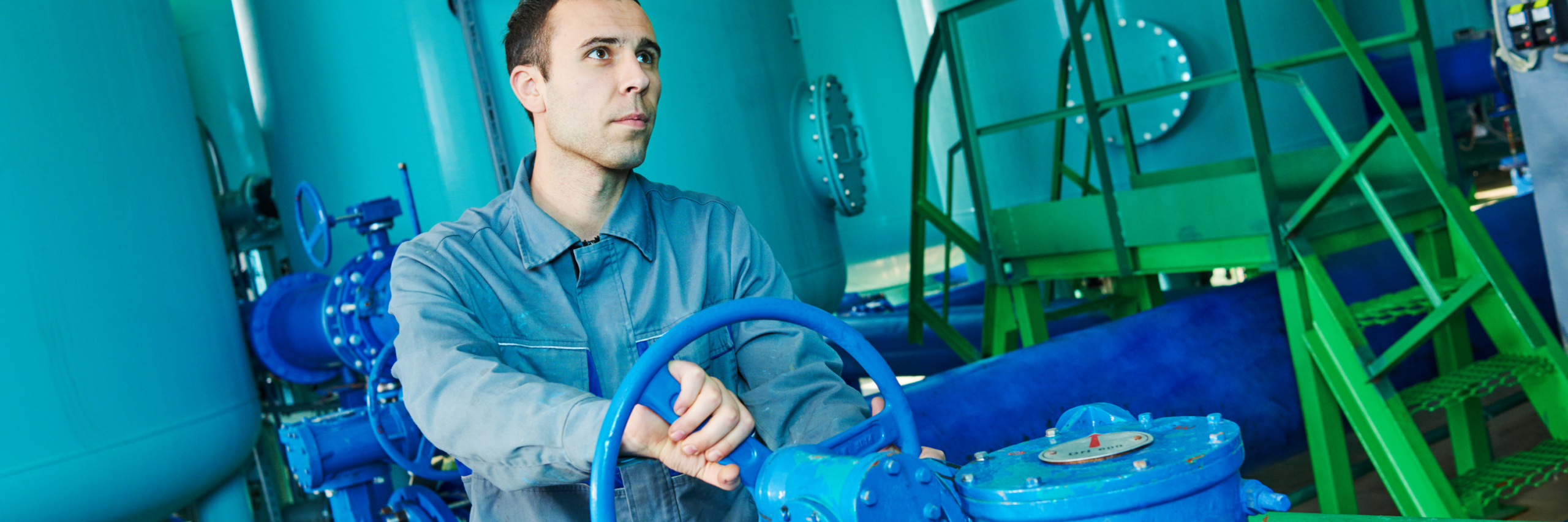
There’s a new, exciting opportunity for job seekers and high school students in Gwinnett County! BETTER WORK Gwinnett and The Water Tower have partnered to bring a life-changing job training program to the Gwinnett County community. This training program for careers in the water industry was designed for those in high school work programs and for working age adults looking for a career path to better provide for themselves and their families.

Not every high school student needs nor wants to attend college.  High schoolers can begin this training program as part of their curriculum and graduate with on-the-job training as well as highly sought after certifications.

For those looking for a new or different career, the water industry might be an area you haven’t yet considered. You might want to check out this option, though.

Job opportunities in the water industry are plentiful, as the industry expects some 1,200 water-related jobs opening in north Georgia. To help fill the workforce needs, The Water Tower created training programs in the areas of Water and Wastewater Operators, Lab Analyst, Maintenance Technicians, and Field Technicians. The programs allow participants to receive the education and hands-on experience needed to walk into a living-wage career and not just a job.

At GCO, we know that work means so much more than a paycheck. A meaningful job and career brings dignity, independence, and hope for a brighter future.


At GCO, we know that work means so much more than a paycheck. A meaningful job and career brings dignity, independence, and hope for a brighter future.

A career in the water industry transcends pandemics and technology because it is a needed resource no matter what happens around us. Furthermore, careers in the water industry offer stability, competitive wages, and opportunities for advancement, making them an important pathway to a fulfilling and prosperous life.

In addition to excellent pay and stability, careers in the water field offer availability in many locations around the state plus flexible hours to give workers the opportunity to create work-life balance.

At GCO, we know that work means so much more than a paycheck. A meaningful job and career brings dignity, independence, and hope for a brighter future. Employment can change a life and the life of a family.

To learn more about The Water Tower and the training programs offered, contact our BETTER WORK Gwinnett team.


Key Points

  • Positive relationships impact the opportunities and potential future for every child.
  • GCO is partnering with RezilientKids to bring the evidence-based program, Raising Highly Capable Kids to the Gwinnett area.
  • GCO is recruiting partners who are willing to local partners who could hold a class and for adults who might be interested in taking it.

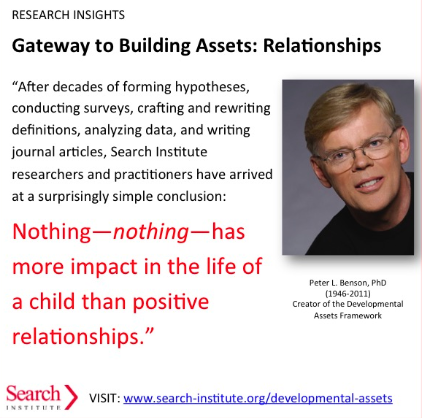
Nothing has more impact on the life of a child than positive relationships.

That basic truth was the cornerstone of a kickoff event March 9 to launch the Raising Highly Capable Kids (RHCK) program across Georgia.

We’re thrilled to report that 43 people representing more than 20 community organizations attended the event at First United Methodist Church of Lawrenceville. The kickoff helped us build an inaugural network of RHCK trainers and liaisons who will help the Georgia Center for Opportunity (GCO) team bring the program to communities.

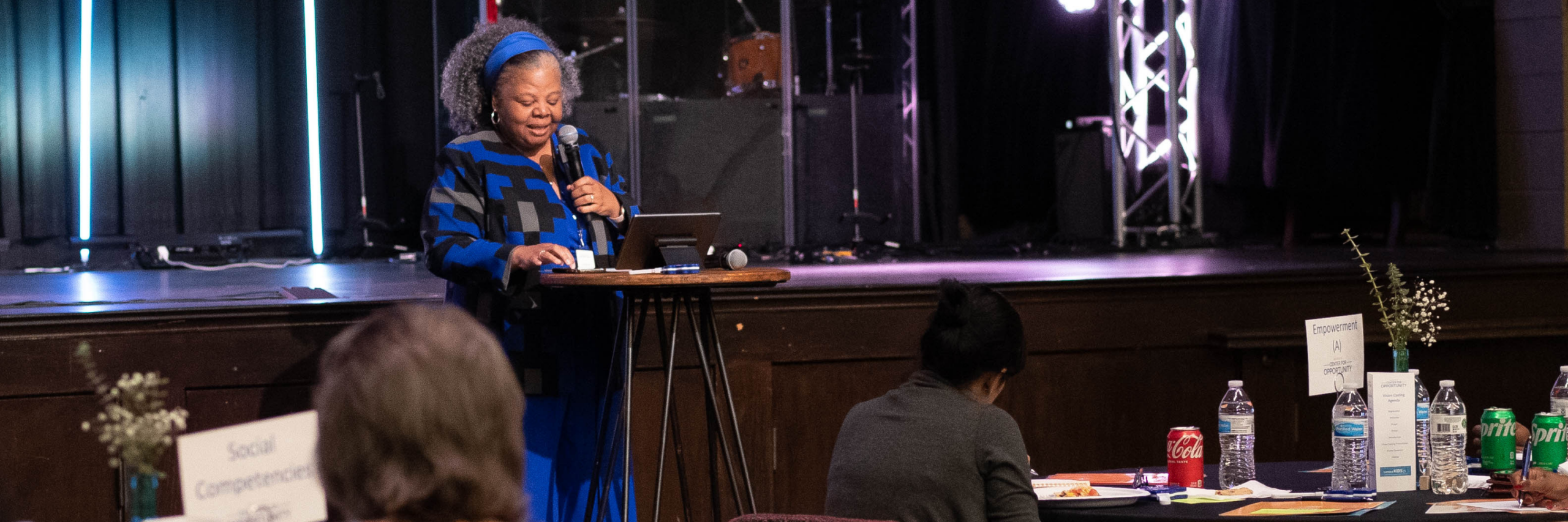
Attendees at the kickoff event heard from Angela Davis, regional representative for the Southeast region for RezilientKids, the national nonprofit that publishes the RHCK program. She shared how the program will work in Georgia.

Angela Davis of RezilientKids shares the power of Raising Highly Capable Kids with Gwinnett-area leaders.

Angela Davis of RezilientKids shares the power of Raising Highly Capable Kids with Gwinnett-area leaders.

What is RHCK?

GCO has partnered with RezilientKids to present the program to adults across Georgia. RHCK is a 13-week evidence-based parenting program developed to build stronger families by empowering parents with the confidence, tools, and skills they need to raise healthy, caring, and responsible children.

The program increases parents’ knowledge and skill level of the essential building blocks every child needs — the 40 Development Assets from Search Institute, which are proven to increase childhood resiliency and academic achievement.

The lessons are available to schools, nonprofits, churches, and other organizations focused on helping to build stronger families for Georgia — and ultimately stronger communities. Through a community grant issued by RezilientKidz, GCO is facilitating course offerings for interested parents who want to learn more effective skills and strategies as they raise their children.


What’s next?

We’re still looking for partners across Georgia to bring the RHCK program to parents. We are starting an interest list for local partners who could hold a class and for adults who might be interested in taking it.

If you are interested in referring contacts or getting involved in other ways, contact Joyce Mayberry, JoyceM@foropportunity.org, to start the conversation.

The Water Tower water industry

Key Points

  • BETTER WORK Gwinnett and The Water Tower are partnering to expand water industry job training to high school students and young adults. 
  • The water industry will need to fill 1200 positions over the next five years. 
  • Without skilled water workers our community infrastructures will suffer.

BETTER WORK Gwinnett and  The Water Tower are joining forces. The Water Tower is a nonprofit organization “bringing together the public and private sectors of the water industry, side by side with academia and nonprofits, to tackle the industry’s greatest challenges.”  

The next five years are crucial for the water industry as they expect 1200 water-related jobs opening in North Georgia. This generates the need to recruit, train, and vary operations to be most effective for the communities served.  

A career in the water industry transcends pandemics and technology because it is a needed resource no matter what happens around us. To help fill the workforce needs, The Water Tower created training programs in the areas of Water and Wastewater Operators, Lab Analyst, Maintenance Technicians, and Field Technicians. The programs allow participants to receive the education and hands-on experience needed to walk into a living-wage career and not just a job.  

The training course was designed for those in high school work programs, and those who may be already working but looking to expand their knowledge and create a career path in order to provide for themselves and their families.  

Without skilled water laborers, many of the structures, products, and systems that are central to our daily lives would simply not exist. Furthermore, careers in the water industry offer stability, competitive wages, and opportunities for advancement, making them an important pathway to a fulfilling and prosperous life.


From protecting our precious water resources to providing clean and safe drinking water to communities, a career in this field is both fulfilling and impactful.

From protecting our precious water resources to providing clean and safe drinking water to communities, a career in this field is both fulfilling and impactful.

The water industry is a critical component of any healthy and thriving society, and the contributions of skilled laborers are truly invaluable. Careers in this field offer availability in many locations around the state, plus flexible hours to give workers the opportunity to create work-life balance.

To learn more about The Water Tower and the training programs offered, contact our BETTER WORK Gwinnett team. 

From protecting our precious water resources to providing clean and safe drinking water to communities, a career in this field is both fulfilling and impactful.


year in review 2022

As 2022 comes to a close, let’s take a moment to share some of the many accomplishments the Georgia Center for Opportunity achieved with your help this year. Each of these wins contributes to our enduring legacy of helping fellow Georgians live a better life through the power of work, education, and family. 

While we’re proud of the year’s progress, we’re also incredibly grateful for your support. Let’s take a look at what we’ve done together.


Work

BETTER WORK is a core part of the GCO’s mission to help vulnerable populations gain the skills needed to thrive in a job and a career. In 2022, we made big strides forward in growing this program.

Our BETTER WORK chapters in Gwinnett County and Columbus experienced significant growth this year. Over 400 people applied to the programs, and we recruited 95 employer partners and 42 mentors. We also began offering on-site service at local cooperative ministries.

Dovetailing with our mission to help our neighbors thrive through work, we seek to reform the social safety-net system to ensure that it doesn’t punish people for working. A large part of this has been through our work on benefits cliffs, which unfairly punish people for moving up the economic ladder. On this front, we rolled 12 states into the program at BenefitsCliffs.org, which now covers one-third of the U.S. population. We also presented to national audiences on benefits cliffs: SNAP congressional testimony, the American Legislative Exchange Council, State Policy Network annual meeting, the Heritage Foundation, True Charity Summit, and the Kentucky legislature benefits cliffs joint committee.

We launched a project in Missouri and North Carolina to advance social safety-net reforms in those states. Additionally, we recruited a congressional sponsor to introduce a bill allowing all states to integrate workforce development into their welfare programs. Both BETTER WORK and our benefits cliffs work are making an impact on a national scale, and we anticipate building more momentum in the coming years.


Education

Expanding opportunity necessarily includes greater access to better education, which directly leads to better careers. During the 2022 session of the Georgia Legislature, the GCO team successfully advocated for a bill that expanded the tuition tax credit scholarship by $20 million dollars. The result: an additional 4,000+ students now have access to this important program. 

We also backed a bill that would have created Promise Scholarship Accounts, which would have offered families up to $6,000 a year for approved education expenses. Unfortunately, this bill was voted down in committee, but we are optimistic similar legislation will be passed in the upcoming 2023 session. To advocate for the bill, a GCO marketing campaign resulted in 7,573 calls to lawmakers in support of the bill and 1,050 messages across 21 districts.

“Each of these wins contributes to our enduring legacy of helping fellow Georgians live a better life through the power of work, education, and family.”

“Each of these wins contributes to our enduring legacy of helping fellow Georgians live a better life through the power of work, education, and family.”

Family

A great education and involvement in meaningful work are not sufficient. We also need healthy relationships in order to thrive. That’s why another part of GCO’s mission is to strengthen couples and families. On that front, we recruited more than 500 people to participate in relationship-enrichment training, and we offered the classes in seven public schools and seven nonprofit partner agencies. University of Georgia assessments continue to show our programs improve knowledge, attitudes, and behaviors — all best future predictors of improved relational health.


Looking Ahead to 2023

As 2023 approaches, we’re so excited for what the future holds. With another year comes new opportunities to help not only our fellow Georgians, but people across America to find better work, better education, and stronger family relationships. Again, we thank you for your generous support and look forward to what unfolds in the New Year.


People working

Key Points

  • Around 454,100 Georgians are missing from the labor force.
  • The labor force participation rate is a better barometer of the labor market than the unemployment rate because it includes workers who have simply given up looking for work and are sitting on the sidelines of the labor market altogether.
  • We need to answer, how to reintegrate these prime-age, work-capable workers back into the labor force?

A new analysis from the Georgia Center for Opportunity shows that around 454,100 Georgians are missing from the labor force. This figure comes even as pundits celebrate a statewide and national unemployment rate that remains at historic lows. 

The startling statistic shows a hidden story behind the unemployment rate that reveals deeper cracks in the labor market that will cause problems for years to come, both in the economy and in individuals’ lives. The reason why this matters is not strictly an economic one — we know that these individuals’ giving up on work has profound social, psychological, and relational impacts that extend well beyond the pocketbook.

When individuals are separated from work, they lose more than just monetary compensation or the food, shelter, clothing, and other basics that money can buy. They also face a loss of social connection, meaningful activity, self-respect, and overall purpose.


The numbers

Here’s a quick deep dive into the numbers. The U.S. Bureau of Labor Statistics announced Nov. 4 that the unemployment rate rose to 3.7%, which is a tick higher than the previous low of 3.5% but still at historic lows. Georgia’s unemployment rate stands at 2.7%, 14th best in the nation.

The troubling trend is in the labor force participation rate, however. This rate is a better barometer of the labor market than the unemployment rate because it includes workers who have simply given up looking for work and are sitting on the sidelines of the labor market altogether. The U.S. labor force participation rate was at 62.2% in October, down from a pre-pandemic rate of 63.4% in February 2020.

SCALE THIS CONTENT To properly fit into the middle of this box but adjusting the spacing in DIVI.

Insert the same content here to work on mobile and tablet.

Those detached from work

It’s important to note that the 454,100 figure developed by the GCO team does not include those unable to work, those who were retired, those in school or college full-time, and full-time caregivers for minor children in the home. In other words, that nearly half-million figure is people who are able to work but have simply decided to detach from the labor force altogether, for some other reason.

As for reasons why workers have quit, they are widespread and complex. The better question is how to reintegrate these prime-age, work-capable workers back into the labor force. That is a primary goal of the Georgia Center for Opportunity’s BETTER WORK initiative, currently operating in Gwinnett County and the Columbus areas of Georgia but soon to expand into many additional regions across the state. 

We see success stories like that of Eddie, who spent nearly five years on the street, homeless and working odd jobs, before getting connected with BETTER WORK Columbus and partner organizations to find stable housing, food security, and a long-term job. The goal of such programs is to get people into stable, self-supporting work so they can escape poverty and dependency cycles.

The GCO team also works to educate policymakers on the perils of benefits cliffs that keep people trapped in cycles of dependency and prevent them from moving up the economic ladder. People like Frankie, a single mom who turned down a $70,000-a-year job because it would mean losing essential government benefits that she relied on to support her family. The goal here is for policymakers to make wise decisions about the safety net so that we don’t continue to pour funds into a failing system.

Subscribe

* indicates required

Subscribe

* indicates required