
Free ‘Jobs for Life’ classes underway in the Fountain City
This week, we launched our Jobs for Life program with an inspiring open house, highlighting the life-changing opportunities available to individuals in
This week, we launched our Jobs for Life program with an inspiring open house, highlighting the life-changing opportunities available to individuals in
Research has found that violent crime negatively affects property values, employment, and outcomes for children. Good public safety policies are a prerequisite for fostering community
A new research paper from GCO shows the ways social safety-net programs like food stamps and Medicaid provide critical support but also discourage career advancement.
By engaging with the building blocks of raising highly capable kids, parents and communities can get kids on a path to enriching relationships, meaningful work,
Georgia has seen a decline in marriage rates, mirroring a national trend and raising important questions about the impact of marriage on personal well-being and
Thanks to two bills passed in 2024, Georgians can continue donating generously without fear their wishes will be violated or their identity disclosed.
Atlanta’s City Council has adopted its budget for 2025, and it has devoted public safety funding to a few best practices that are good news
Our review of the research uncovered nine benefits of work that help young people develop the foundations for success in every area of life.
Education plays a powerful role in breaking the cycle of poverty and helping children lead healthy, flourishing lives. Education savings accounts in Georgia are a
Our BETTER WORK initiative is unique because we help people move from crisis situations and into a mindset and support system that empowers them to
On April 23, 2024, Governor Brian Kemp signed SB 233, the Georgia Promise Scholarship Act, into law. This education savings account program—the first of its
The Safer Kentucky Act (House Bill 5) is a package of crime-related bills, including six GCO-recommended solutions for restoring community safety and better opportunities close
Read Randy’s full opinion in The Hill

On March 14, 2024, the Georgia House passed SB233, The Georgia Promise Scholarship Act. This bill is an important first step in extending an education
Legislation pending in the Georgia Legislature, House Bill 738, would create a task force to explore how Georgia could use Utah’s One Door policy to

If we truly want all of Georgia’s students to obtain a quality education that prepares them for a meaningful career and a stable life, parents

Strong relationships are a cornerstone of vibrant communities, and research has shown that marriage is one key type of relationship for empowering individuals, regardless of

Do Georgia parents have the option to move their kids to a different public school than the one assigned to their neighborhood? Yes…and no. Setting

Key Points As Georgia lawmakers convene for the 2024 legislative session, multiple bills are on the table that could break down barriers
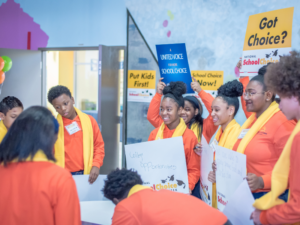
Key Points A new proclamation from Governor Brian Kemp has designated January 21-27, 2024, as School Choice Week in Georgia. Georgia School

Key Points Building off our success in 2023, the new year presents unique opportunities to build better lives for our neighbors through

2023 opened doors to more hope and opportunity because of solutions in five key areas of community life.

This year, inflation is threatening to put a dent in Christmas festivities. The cost of gifts, meals, and trips to see family and friends have

Key Points Missouri lawmakers recently took an important step toward helping poor and working-class residents escape safety-net benefits cliffs and experience the
Get answers to how the proposed Georgia Promise Scholarship Program would affect private school funding, scholarships, and requirements.

Key Points Addressing Income Inequality Income inequality is on the rise. Social mobility is on the decline. Politicians focus a lot of

SNAP benefits cliffs are locking individuals and families in poverty. Our report outlines changes that can be made to fix the cliff.
A new community initiative is set to launch in Columbus, but it’s not run by any one person or organization. It’s running

A new effort seeks to address and prevent violent crime in smaller cities across the United States like Columbus, GA.
For many Americans who currently need assistance from programs like SNAP, WIC, Temporary Assistance for Needy Families (TANF), and Social Security, a government shutdown can