Shaneika Murphy, Raising Highly Capable Kids participant and facilitator

Key Points

  • Shaneika Murphy turned to the Raising Highly Capable Kids program as her sons were becoming teenagers. She wanted to make sure she supported them through all the changes middle school and high school would bring.
  • During the program, Shaneika also learned how crucial it is for parents and families to have a supportive community surrounding them.
  • After completing the Raising Highly Capable Kids workshop as a parent, Shaneika became a program facilitator, and she now supports other parents. Her sons volunteer with the program, too. Together, the Murphys are a shining example of how strong families build strong communities.

Shaneika Murphy felt nervous about the big transitions she was facing in 2024. Her two sons were starting middle school and high school—a new phase of life for everyone in the family. And Shaneika found herself asking, “How do we navigate this?”

Shaneika is a behavioral therapist, so she had worked with other children who struggle with challenges. But as a parent, she was anxious about how to help her teenage sons develop healthy behaviors and relationships. “Middle school, it’s a whole different thing,” she said. “Right when you think you’ve got the parenting skills down and everything—oh, we’re good, we’re communicating—and then boom, they’re in middle school.”

Shaneika started looking for opportunities to learn how to better connect and communicate with her children. Through a school newsletter, she found out about the Raising Highly Capable Kids (RHCK) program, a workshop offered by the Georgia Center for Opportunity in partnership with local organizations. RHCK is designed to give families the tools, confidence, and support to raise healthy, responsible, caring kids. 

Excited about the chance to enhance her parenting skills, Shaneika enrolled in the fall 2024 RHCK cohort offered by the Lamar County Family Connection Collaborative. She found the program so rewarding that she participated again in the spring of 2025.

The support Shaneika and her family received during the RHCK workshops is now rippling outward. Every member of the Murphy family is finding ways to help others thrive. And in doing so, they’re creating a sense of community that’s changing not only their lives, but also the lives of many others.

Empowering Children Through Family Support

The RHCK workshops gave Shaneika the tools she needed to bring stability to her family and to help her children feel supported and equipped to succeed. During the sessions, she learned about the 40 Developmental Assets, which were identified by the Search Institute. The assets are the essential qualities and experiences that enable kids to become well-rounded and resilient adults. 

The Developmental Assets that stood out to Shaneika the most involved the idea of support. Taking what she learned from the sessions, she made sure that her children felt loved and supported at home, where real transformation could begin. “When they’re feeling great, or when they’re not feeling great—there’s things that are bothering them or things that are on their mind—they need to have that safe space within their parents,” Shaneika said.

By helping her children feel safe and supported, Shaneika strengthened the most influential part of their lives—their family—and laid the groundwork for their future growth and development.

Shaneika makes sure to spend quality time with her husband, sons, and nephew—the family she guides and supports.

Shaneika makes sure to spend quality time with her husband, sons, and nephew—the family she guides and supports.

The support Shaneika and her family received during the RHCK workshops is now rippling outward. Every member of the Murphy family is finding ways to help others thrive. 

Discovering a Supportive Community for Parents

During the RHCK workshops, Shaneika also discovered the invaluable benefits of a meaningful and supportive community among fellow parents. The close relationships that formed during the sessions made a big impression on her. She described the RHCK program as an opportunity for “making community”—and “building a family if you don’t have one.” 

Shaneika and the other parents in the workshop formed deep connections with each other, sharing both their strengths and weaknesses. She felt supported on every level. “I had people that were pushing me to do better, pushing me to be greater and be more excellent, and in other areas besides parenting as well,” she explained. The bonds Shaneika formed with other parents during the workshops continue to uplift her even today.

Evolving from Learning to Leading

While Shaneika was participating in the RHCK workshop, one of the facilitators, Dr. Tonya Moore, noticed how Shaneika’s professional skills as a behavioral therapist helped her support other parents. “I observed Shaneika organically building rapport with the parents. . . . She also displayed an interest in bringing resources to parents,” Tonya explained. 

Drawing on Shaneika’s strengths, Tonya worked with her to develop Parent Café, a prayer and support group that connected parents during and after RHCK workshops. She also started thinking about how Shaneika could continue supporting workshop participants and the broader community by becoming an RHCK facilitator.

When Tonya approached Shaneika about the opportunity, Shaneika was hesitant at first. She didn’t feel very comfortable speaking in front of others. But Tonya gently pushed Shaneika out of her comfort zone, boosting her confidence and encouraging her to take on the new role.

And when Shaneika settled her nerves and became a facilitator in the fall of 2025, she realized she had a passion for it. “It’s one of the more purposeful things that I’ve done,” she reflected. “I look at it as an honor to be able to do that because, in some way, I may be able to help the next generation with something that I’ve said or something that I’ve helped a parent to understand or realize.” 

As a parent, Shaneika had gained so much from the support RHCK offered her, and now she could support the families in her community in return. She was also setting an example for her sons, showing them how to overcome fears and to serve their neighbors in need.

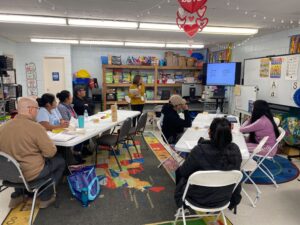
During an RHCK workshop, Shaneika led parents and caregivers in an activity that drove home the importance of teaching children to lean on others for support.

Shaneika serves as an RHCK facilitator in Lamar County, Georgia, where she helps other parents and caregivers find the tools and support they need to build stronger families and communities.

During an RHCK workshop, Shaneika led parents and caregivers in an activity that drove home the importance of teaching children to lean on others for support.

Receiving Support When Times Got Tough

Through her experiences as both an RHCK participant and a facilitator, Shaneika built a strong, supportive community for her family. And when she had a major surgery followed by a long recovery process, that community stepped in to help out. 

One of the RHCK facilitators created a meal train to help the Murphy family, and other facilitators and parents contributed financially and with their prayers. People also regularly stopped by to check on Shaneika’s husband and children, making sure they had everything they needed.

The support system Shaneika had developed was once again wrapping itself around her, and also showing her children the powerful impact a caring community can make.

Inspiring Children to Build Community

To continue supporting her boys as they grow into responsible, thoughtful young men, Shaneika is now helping them develop skills for positive social interactions and active community engagement. 

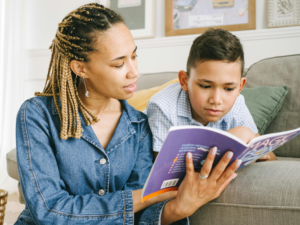
To serve others, Shaneika’s sons started volunteering with RHCK during the fall of 2025. They read to the younger children while their parents take part in the RHCK workshop. They also help out after each session, putting away supplies and making sure participants get to their cars safely. Volunteering has even sparked an interest in Shaneika’s oldest son in getting a job.

And RHCK participants and facilitators have noticed the good work Shaneika’s sons are doing. The praise the boys receive gives them an extra boost of confidence. “They hear it from me all the time. They hear it from their dad. They’re great. They’re going to be successful,” Shaneika shared. “But when you hear it from someone outside of your circle, it just kind of rings a little bit more.”

Through RHCK, Shaneika also learned about a class that paired young boys with mentors. She enrolled her children, and they’re now thriving in the program. Shaneika’s husband saw the impact of the class on his sons, and he became a mentor through the same program. 

As both parents and role models, Shaneika and her husband want their sons to understand the power of connecting with people so they can not only be supported but also offer support to others. “You want them to be contributing citizens to their community,” Shaneika emphasized.

Continuously Expanding the Circles of Support

Through Shaneika, the waves of support have steadily rolled outward. The RHCK program gave her the tools to support her family through the many ups and downs that middle school and high school can bring. She also built a supportive community to help them flourish. As a facilitator, Shaneika empowered other parents to create stability and community for their families. And now, her whole family is finding ways to serve others. In Shaneika’s words, “It’s just this effect that keeps on going.” 

Above all, the supportive relationships Shaneika has formed and nurtured continue to strengthen both her own family and others who need a community—and, as she described it, “a family away from family.”

Bring the Transformation of RHCK to Your Family and Community 

If you’re interested in getting the tools and support to bring more strength and stability to your family, please visit our Raising Highly Capable Kids page.

Parental love helps children gain the emotional health, behavioral skills, and academic success that unlocks social mobility.

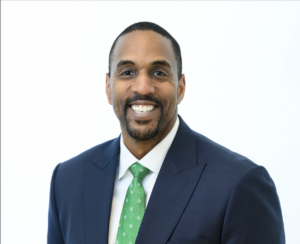
The Georgia Center for Opportunity (GCO) is honored to welcome Travis Thorne as the Vice President of Family. Travis will lead GCO’s Family Initiative and shape the future vision of its flagship program, Raising Highly Capable Kids (RHCK), which is an in-person, 10-week program designed to equip parents and caregivers with practical tools, honest conversations, and confidence to raise healthy, responsible, and caring kids.

Travis brings more than 20 years of experience in leadership, relationship management, and strategic problem-solving. Alongside his corporate career, he has spent many years serving in ministry, leading family and men’s small groups focused on strengthening households through practical guidance around money, marriage, and legacy. A Georgia native who grew up in Jonesboro, Travis combines professional expertise with a deep personal commitment to families across the state.

Travis was drawn to GCO because of its holistic approach to poverty and opportunity. “At GCO, we understand that poverty, especially generational poverty, is about more than income,” Travis shared. “It’s often about fractured relationships and a loss of hope. Strong families are where a sense of purpose, belonging, and connection begins.” That belief closely aligns with GCO’s mission to advance solutions that expand opportunity and help Georgia families build durable paths out of poverty.

GCO selected Travis to lead the Family Initiative because of his unique ability to bridge strategy and relationships. His experience building trusted partnerships in high-performance environments, combined with years of hands-on ministry and family engagement, positions him to lead family-centered work that is both relational and scalable.

“I’m thrilled to welcome Travis to our team to lead our work in strengthening families,” said Eric Cochling, GCO’s Chief Program Officer and General Counsel. “Travis brings a unique mix of professional experience, drive, and a passion for this work that I am confident will take our family-focused initiatives to the next level and allow us to have a much deeper impact in the communities we serve.”

In his role, Travis will focus on empowering parents as the primary leaders in their children’s lives and strengthening parent-child relationships to drive generational change. This includes enhancing and expanding RHCK. Unlike many parenting programs that focus only on parents, RHCK brings families together in cohorts that build social relationships, trust, and connection, especially in communities connected to Title I schools, which serve high numbers of low-income households.

Looking ahead, Travis envisions RHCK growing through strong partnerships with faith-based organizations, schools, and community leaders. “We listen, we learn, and we build alongside families,” he said. His vision is to see RHCK become a trusted, community-anchored model that meets families where they are and creates a lasting impact across generations.

With Travis’s leadership, GCO is excited to expand the reach and success of its Family Initiative.

Hear from Travis on the vision behind GCO’s Family Initiative:

Georgia Center For Opportunity Press Release, current events, news, top stories

Lawrenceville, Ga. – Lilly Endowment Inc. has awarded an endowment grant to Lawrenceville First United Methodist Church. The grant will enable the church to facilitate the Raising Highly Capable Kids parenting program — called the Parents First Initiative — across the Lawrenceville community.

The Parents First Initiative is a unique partnership designed to empower parents to equip their kids for life. By leveraging the Raising Highly Capable Kids program, the initiative will help parents develop the skills they need while building the meaningful relationships that weave a community together.

“We are thrilled for the opportunity to work alongside Lawrenceville First United Methodist to make this curriculum available to more Georgia families,” said Joyce Mayberry, vice president of family at GCO. “The endowment will help this critical curriculum continue to thrive. Beyond resilient kids, we’re focused on building resilient communities. This grant will help us make a bigger difference in the lives of families across the state.”

“We need a village to raise kids today and we want to help build that village together,” said Rev. Dr. Adam Hilderbrandt of Lawrenceville First United Methodist Church. “Raising Highly Capable Kids’ 13-week course will give footings to build this village and the connections made will allow the village to grow from there.”

The Raising Highly Capable Kids program empowers adults to become stronger parents with healthier families. Its 13-week-long, evidence-based curriculum gives adults the tools and skills they need to confidently raise children who are caring, responsible, and healthy. 

Raising Highly Capable Kids is presented by the Georgia Center for Opportunity, in partnership with Rezilient Kids. It’s currently being offered to adults in communities across Georgia. 

The objective of Raising Highly Capable Kids is to help kids have healthier outcomes across all areas of their lives, including family life, academics, mental health, social wellbeing, and their eventual careers. By focusing on the family unit and the whole child, the program improves parent-child communication, strengthens bonds, and helps kids to avoid risky behaviors.

“We’re opening lines of communication between parents and students and improving academic outcomes,” Mayberry said. “And, we’re helping parents to see their strengths in parenting, equipping them with the right tools and resources to be successful.” 

The program also connects parents to one another, creating a stronger community as parents learn how to create healthier, more effective environments for their children. According to Mayberry, it’s critically important for parents to understand that they’re not alone, and they have support along the journey. 

One of the program’s most unique aspects is its focus on where parents excel in their roles as they raise their kids. 

“We’re here to support them and identify their strengths,” Mayberry said. 

According to Mayberry, this program isn’t just about improving parenting skills and kids’ outcomes in the here and now. It’s about facilitating change across entire communities and carrying those changes into the future for generations to come. 

“Through Raising Highly Capable Kids, we’re going to change the trajectory of families,” said Mayberry. “We’ll change the parents’ lives and the kids’ in turn. It’s all about generational transformation.” 

The bottom line is that communities need more programs like the Parents First Initiative. Raising Highly Capable Kids depends on community organizations, churches, and schools to get involved and help to facilitate its curriculum in local communities. From volunteer teachers to organizations that incentivize parents to complete their classes, there are many ways to get involved.

If you or your organization would like to help with Raising Highly Capable Kids, we’re looking for leaders in: 

    • School environments who can provide parents in their communities with the tools they need to help their kids succeed in academics
    • Churches who are willing to offer courses locally
    • Nonprofit organizations who are willing to host local classes 

There is also an ongoing need for volunteers to teach the courses wherever they’re made available.

Want to get involved? Get in touch with Joyce Mayberry at joycem@foropportunity.org.

Key Points

  • Parental involvement in education yields significant benefits for both students and schools. 
  • Students with engaged parents tend to have better academic outcomes, attendance rates, and behavior in the classroom. 
  • Schools and communities can employ a few concrete strategies to facilitate parental involvement and empower students to succeed at school and in life.

    Raising and educating young people takes a group effort. Everyone—parents, grandparents, aunts, uncles, teachers, friends, clergy, coaches—plays an important role. Within this collaboration, parental involvement is especially powerful and yields numerous benefits for both children and schools. 

    Research consistently demonstrates that children with engaged parents tend to have higher academic performance, better attendance rates, improved behavior, and increased motivation to learn. Moreover, schools benefit from parental involvement by gaining valuable insights, fostering a supportive environment, and enhancing overall student outcomes. When our kids are successful and able to show up as their best selves, our entire communities benefit from future generations of healthy, responsible, caring adults who are well prepared for meaningful work, relationships, and community involvement. 

    As families prepare for a brand new school year, here are six ways that schools and communities can empower students and their parents and caregivers throughout the school year. 

    1. Build strong communication channels between parents, children, and schools. 

    Schools can employ various strategies, such as regular newsletters, parent-teacher conferences, class websites, and digital communication platforms to keep parents informed about their child’s progress, school activities, and opportunities for involvement. Encouraging two-way communication ensures that parents feel valued and heard, enabling them to participate in their child’s educational journey.

    2. Offer and promote parent education programs. 

    Parent education programs and workshops play a vital role in equipping parents with the necessary skills and knowledge to support their children’s learning. Schools can organize workshops on topics like homework assistance, effective communication strategies, and understanding curriculum standards. By empowering parents with the right tools, they become better equipped to engage in their child’s education and make informed decisions.

    3. Encourage volunteering and participation. 

    Volunteering opportunities provide parents or other primary caregivers with hands-on involvement in their child’s school and community. Schools can offer various volunteering options, such as assisting in the classroom, organizing events, or participating in extracurricular activities.

    Volunteering strengthens the parent-child bond, and it helps parents understand the educational environment and feel a sense of belonging within the school community. 

    When our kids are successful, entire communities benefit from future generations of healthy, responsible, caring adults who are well prepared for meaningful work, relationships, and community involvement. 

    4. Create family engagement events. 

    Family engagement events serve as an excellent platform to bring parents, children, and educators together. These events can range from family fun days, cultural celebrations, or academic showcases. 

    By organizing inclusive and interactive events, schools can create an inviting atmosphere that encourages parents to participate and form connections with other families, thereby enhancing the sense of community.

    5. Leverage technology to give parents flexibility.  

    In today’s digital age, technology can bridge the gap between parents, children, and schools.  Online platforms and applications give parents easy access to information about their child’s progress, assignments, and upcoming events. Schools can use technology for virtual parent-teacher conferences, webinars, or online discussion forums, enabling greater flexibility and engagement for parents who may have time constraints.

    6. Partner with the community to enrich students’ educational experiences. 

    Collaborating with the wider community enriches the educational experience and broadens the opportunities available to students. Schools can engage local businesses, organizations, and professionals to offer mentorship programs, career guidance, or specialized workshops. Community partnerships foster real-world connections, expose children to diverse perspectives, and demonstrate the importance of community involvement.

    Additional Resources

    Want to learn more about how communities can support parents and foster the academic achievement and well-being of our youth? Check out these resources based on our Raising Highly Capable Kids parenting program:


    Key Points

    • Summers are for more family time and enjoyment!
    • Studies show parental involvement is key to children’s health and development. 
    • Raising Highly Capable Kids (RHCK) has tools to help parents.

    School breaks, warm weather, longer daylight hours—these are a recipe for more relaxation and fun as parents and kids enjoy a few weeks free of school-related commitments. On the other hand, summer can be challenging when kids have time off but parents must continue their regular work schedules and responsibilities. 

    Numerous studies have shown that parental involvement is key to children’s health and overall development. But how can parents maintain this involvement and nurture their child’s development in a season where kids might be on break but adults are not? 

    Our parenting class, Raising Highly Capable Kids (RHCK), has tools to help parents—and any adult caring for young people—answer this question. RHCK teaches the 40 developmental assets that are essential for raising healthy, responsible, caring kids. Several of these building blocks provide simple, inexpensive, and effective ideas that adults can use throughout the summer to support kids’ development. Plus, all of these ideas have a larger benefit of cultivating overall family well-being and connection.

    1. Embrace evenings for family activities

    In our Raising Highly Capable Kids parenting class, one of the developmental building blocks we teach is “Time at Home”—where a child spends some time each day interacting with their parents and doing activities at home that don’t involve TV or video or computer games. This type of interaction has been shown to improve young people’s leadership skills, health, and achievement in school. 

    One benefit to summertime schedules is that flexible bedtimes and longer daylight hours can free up evenings for quality time as a family. For many families, summer evenings can be good opportunities for connection and fun, especially if parents are working during the day or if a vacation isn’t feasible for your budget. 

    Activities to try:

    • Game night with your favorite board or card game
    • Family movie night
    • Visit a local pool or playground 
    • Go for a walk after dinner and talk about favorite moments from the day
    • Plan a picnic for dinner

    2. Cultivate responsibility by getting kids involved around the house

    Building personal responsibility in kids goes beyond rule-following. It’s about giving kids opportunities to practice caring for themselves and their environment and learning from successes and mistakes in the process. 

    When it comes to the developmental asset of responsibility, summer is a great time to get creative. As kids get a break from school assignments, they can practice cultivating responsibility in other areas of life. For example, parents could have their child pick a household chore to be in charge of throughout the summer. Or, they could involve kids in tasks that introduce new skills and experiences—things like gardening, cooking, reading to siblings, or taking care of pets. 

    The important thing is to involve your child in selecting responsibilities for the summer. Being able to choose, even if it’s from a limited list of options, encourages young people to feel that they have positive control over their choices and actions

     3. Let your child choose a special hobby for the summer

    Participating in creative activities two or more times helps kids develop several important skills: intellectual comprehension, communication, cultural understanding, and overall creativity and problem-solving. 

    Summer can be a great time to encourage kids to explore new interests. Plus, parents can use new hobbies as a tool to set much-needed routines in the midst of a less structured season. Have your child pick an activity or two to try this summer, and if it fits within your budget, take them to the store to pick out items they’ll need for their project. 

    Activities to try: 

    • Creative writing or journaling
    • Painting or drawing
    • Building (lego sets, puzzles, block sets)
    • Listening to or playing music

    “What we’re doing with Raising Highly Capable Kids is helping them develop those core assets so they have a strong foundation to have a successful life and be a positive contributor to our community.” 

    “What we’re doing with Raising Highly Capable Kids is helping them develop those core assets so they have a strong foundation to have a successful life and be a positive contributor to our community.” 

    4. Encourage reading for pleasure

    Reading is strongly connected to developing positive values and learning concepts, facts, and emotions in creative, inspirational ways. Summer is the perfect time to help kids experience the pleasure of reading for fun, not just for school assignments.

    Activities to try: 

    • Put reading material—chapter books, picture books, comic books, etc.—in easy-to-reach places around the house.
    • Set a family reading time once a week to read aloud to younger kids or hang out with older kids while reading different books. 
    • Take advantage of summer reading programs through local libraries or bookstores. These programs often set up reading challenges or adventures to get kids excited about completing a goal. 
    • Join forces with families in your neighborhood to create a summer book club for older kids or story time for younger children

    5. Pick one way to serve others

    One way to have a memorable, satisfying summer is to dedicate time to making a difference in the world around you. Research shows that young people who serve others are more likely to develop respect, kindness, patience, and helpfulness. Get together with your kids and brainstorm some ways that you could help out in your community. It could be as simple as weeding the yard for an elderly neighbor, or perhaps you could plan a volunteer activity or a home project for the whole family to help out with. 

    Get your kids involved in picking summer goals for the family 

    For many families, the key to a rejuvenating summer is to set a few goals that will be meaningful and enjoyable. Not sure what to prioritize? Consider having a conversation with your family to brainstorm what you want your summer to include. 

    Here are a few questions to use as starting points:

      • How do you want your summer to feel? 
      • What are some local attractions or activities that you could enjoy as a family? 
      • What is a hobby or project that your child would enjoy spending time on? 
      • What are some books you would like to read or movies you would like to watch? 
      • How could you invest in your family’s physical health? How much time should your kids be outside playing or staying inside and relaxing?
      • How much screen time will be allowed? 
      • What seasonal meals or snacks would the family enjoy? 
      • How do you want to build friendships during the season?  

    Finalize your list by choosing a handful of things that appeal to your family or by allowing each person to choose one thing that appeals to them. Then, go and enjoy your summer! 

    Subscribe

    * indicates required

    Subscribe

    * indicates required