
California’s Skyrocketing Crime: How It Happened and What to Do About It
A new report shows California’s murder rate has gone up almost 24% since 2017. Learn what is behind California’s skyrocketing crime and what to do
A new report shows California’s murder rate has gone up almost 24% since 2017. Learn what is behind California’s skyrocketing crime and what to do

The Georgia Center for Opportunity is announcing a new report on violent crime in Atlanta, which highlights the city’s recent spike in violent crime and
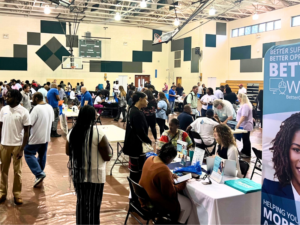
A South Columbus Job fair emphasizes the belief in the potential of residents and demonstrates that collaborative efforts can lead to transformative change and a

Discover the Impact: Oatey’s Collaboration with BETTER WORK Gwinnett. Explore how Oatey’s top-notch plumbing solutions align with community betterment. Learn how BETTER WORK is a
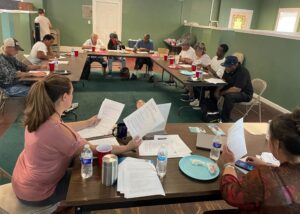
Key Points We recently sat down with Amber Gorman, program specialist for BETTER WORK Columbus, to discuss a new GCO-led class being

A new report shows Seattle’s murder rate increased 13% in 2022, defying the national murder decline. See how state and city policy choices are playing

Discover the Utah Family Miracle and its impact on economic success and happiness, as sociologist Brad Wilcox proposes a Family Impact Perspective to strengthen marriages
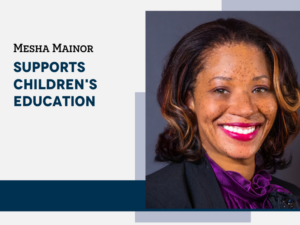
Representative Mesha Mainor stood up for the education of kids in her community and paid a political price in the process.
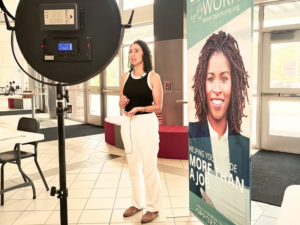
Discover the highlights of the recent event organized by the Gwinnett Housing Corporation, where the BETTER WORK Program attracted over 60 participants seeking employment assistance.

Research consistently demonstrates that children with engaged parents tend to have higher academic performance, better attendance rates, improved behavior, and increased motivation to learn. When

Between the years 2014 and 2019, charter school students were more advanced in math and reading than their public school counterparts. In terms of performance,
n a recent announcement, Georgia Governor Brian Kemp revealed that the state will distribute over $83.5 million in federal COVID-19 relief funds
A few years ago, Neighborhood Cooperative Ministries (NCM) acquired a complex to further the mission of helping neighbors who sincerely want to

Key Point Those reentering society need a plan for gaining stable employment after serving time. Local businesses will hire and support those

Key Points School breaks, warm weather, longer daylight hours—these are a recipe for more relaxation and fun as parents and kids enjoy

Key states are adopting education legislation while Georgia continues to fall behind and leaves students and parents out of the conversation.

The discussion around work requirements is important because it challenges us to ask, “What is the purpose of our safety net system?”

Crime is causing businesses to flee communities already experiencing a lack of opportunity. This is having an impact on healthcare, jobs, and social health.

Along with remembering these local heroes, Police Week is an opportunity to reflect on the role law enforcement has in building vibrant communities where everyone

Key Points Georgia received a waiver from reporting its College and Career Ready Performance Index (CCRPI) metrics, including the A-F grading system

Key Points Free the Future is an initiative of the Mayor of Columbus Georgia’s Commission on Reentry, in partnership with the Urban
Read the full article here

Key Points As of March 2023, the Bureau of Labor Statistics reported a nationwide unemployment rate of 3.5%. Well-known companies are conducting

Key Points “The best inheritance a parent can give his children is a few minutes of his time each day,” said chemist

We have much to celebrate as the 2023 Georgia legislative session comes to a close. At the same time, there is still

Key Points Georgia General Assembly, lawmakers unanimously approved House Bill 155, which creates a pathway for thousands of Georgians who might face

Key Points Not every high school graduate will attend college. There are strong career paths available for those who are ready to
Curious about our projects. progress, and achievements over the past year? The Georgia Center for Opportunity 2022 Annual Report is now available

Arkansas recently joined a growing list of states that have approved Education Scholarship Accounts, empowering parents to make the best decisions for their child’s unique
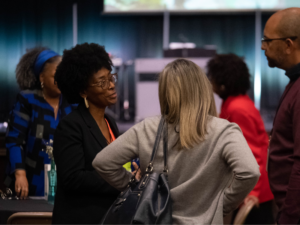
Key Points Positive relationships impact the opportunities and potential future for every child. GCO is partnering with RezilientKids to bring the evidence-based